Amazon’s Satellite Ambitions Lift Off—Will Kuiper Rival Starlink?
Key Takeaways
- Amazon has launched its first 27 Kuiper satellites aboard an Atlas V rocket, marking the beginning of its $10 billion project to deliver global broadband internet.
- Project Kuiper targets a total deployment of 3,236 satellites for low-Earth orbit connectivity to compete with SpaceX’s Starlink.
- Due to initial delays, Amazon faces a 2026 deadline to deploy 1,618 satellites and might need an extension.
- There are plans for up to five more Kuiper missions this year, as noted by United Launch Alliance CEO Tory Bruno. Initial services could start with 578 satellites.
- The launch positions Amazon to compete against Starlink and telecom companies, focusing on providing for underserved rural areas.
- Jeff Bezos highlights the global demand for the internet, predicting success for both Starlink and Kuiper in the growing satellite internet market.
- While Starlink maintains a lead, Kuiper could potentially leverage Amazon’s consumer base and cloud infrastructure for a competitive edge.
In a significant step towards revolutionizing global internet connectivity, Amazon has launched its first batch of Kuiper satellites, setting the stage for a fierce battle in the satellite broadband market. With this ambitious project, the e-commerce and cloud giant seeks to challenge SpaceX’s Starlink by deploying an extensive network of satellites aimed at connecting every corner of the globe.
The Birth of Project Kuiper
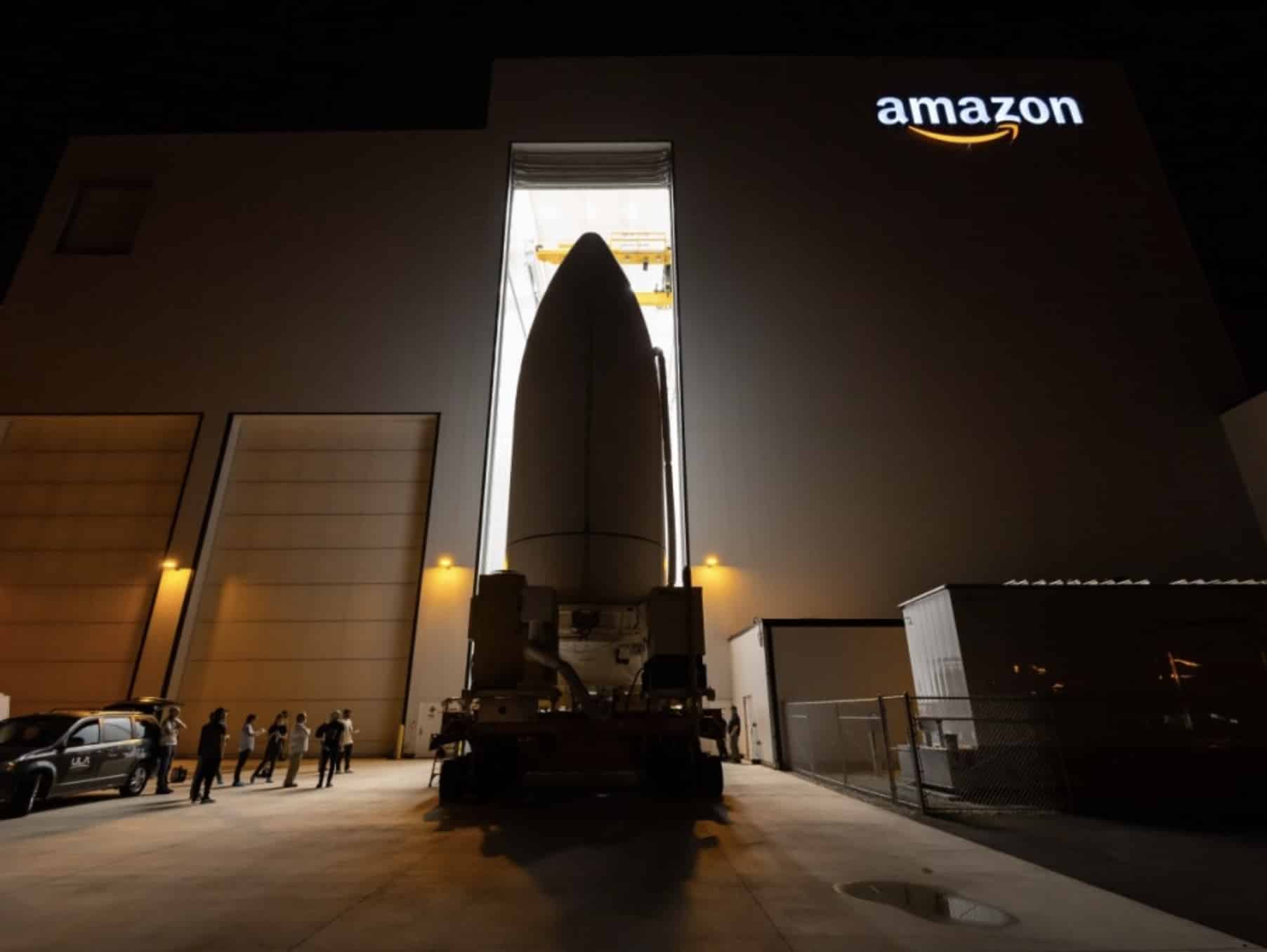
Amazon’s first 27 Kuiper satellites were successfully launched aboard the United Launch Alliance’s Atlas V rocket, marking the commencement of a $10 billion endeavor. This opening salvo is just the beginning, as Amazon plans to deploy a total of 3,236 satellites in low-Earth orbit. This launch underscores the company’s commitment to entering the global broadband arena, providing an alternative to existing services.
The Road Ahead: Timelines and Challenges
While the successful launch is a pivotal milestone, Amazon’s journey with Project Kuiper is not without its hurdles. Originally delayed, the project faces a 2026 deadline to successfully deploy 1,618 satellites, a mandate from the U.S. Federal Communications Commission. Given these setbacks, it is conceivable that Amazon may require an extension to the deployment timeline.
Competing in a Crowded Sky
Positioning Against Starlink
Amazon’s entry into this space pits it directly against SpaceX’s Starlink, which has already established a substantial presence with its growing array of satellites. However, Kuiper plans to differentiate itself by particularly focusing on underserved rural areas—a market that holds significant potential.
Strategic Advantages
Amazon brings to the table its robust consumer base and formidable cloud computing infrastructure, which could provide Kuiper a competitive edge. This might not only help Amazon accelerate its market penetration but also offer enhanced service deliverables to its customers.
The Broader Implications of Satellite Internet
Global Demand for Connectivity
There is a burgeoning global demand for reliable internet access. As Jeff Bezos pointed out, the need for internet connectivity is “insatiable.” In this context, it’s not just about Amazon versus SpaceX but rather addressing a worldwide challenge where multiple players can thrive.
A Transformative Impact
The potential success of Kuiper could significantly reshape access to broadband internet, extending connectivity to locations that have long been ignored by traditional telecom providers. This democratization of the internet is a crucial step forward in global digital inclusion.
Key Takeaways and Future Prospects
- Expansion Plans:
- Amazon expects up to five more Kuiper launches within the year, expanding initial coverage with 578 satellites.
- Competitive Landscape:
- While Starlink has a head start, Amazon’s strategic use of its vast resources positions Kuiper as a formidable player.
- Challenges and Opportunities:
- Amazon must navigate regulatory and technological barriers to maintain the aggressive rollout required to meet its FCC-imposed deadlines.
- Technological and Market Trend Insights:
- The competitive dynamics in satellite internet will likely see innovations in technology and strategic partnerships.