Stellantis Introduces Breakthrough Solid-State Battery for Electric Vehicles
Key Takeaways
- Stellantis and Factorial Energy have validated automotive-sized solid-state battery cells, marking a significant milestone in EV battery technology.
- Stellantis aims to improve EV performance with lighter, more efficient batteries through its collaboration with Factorial.
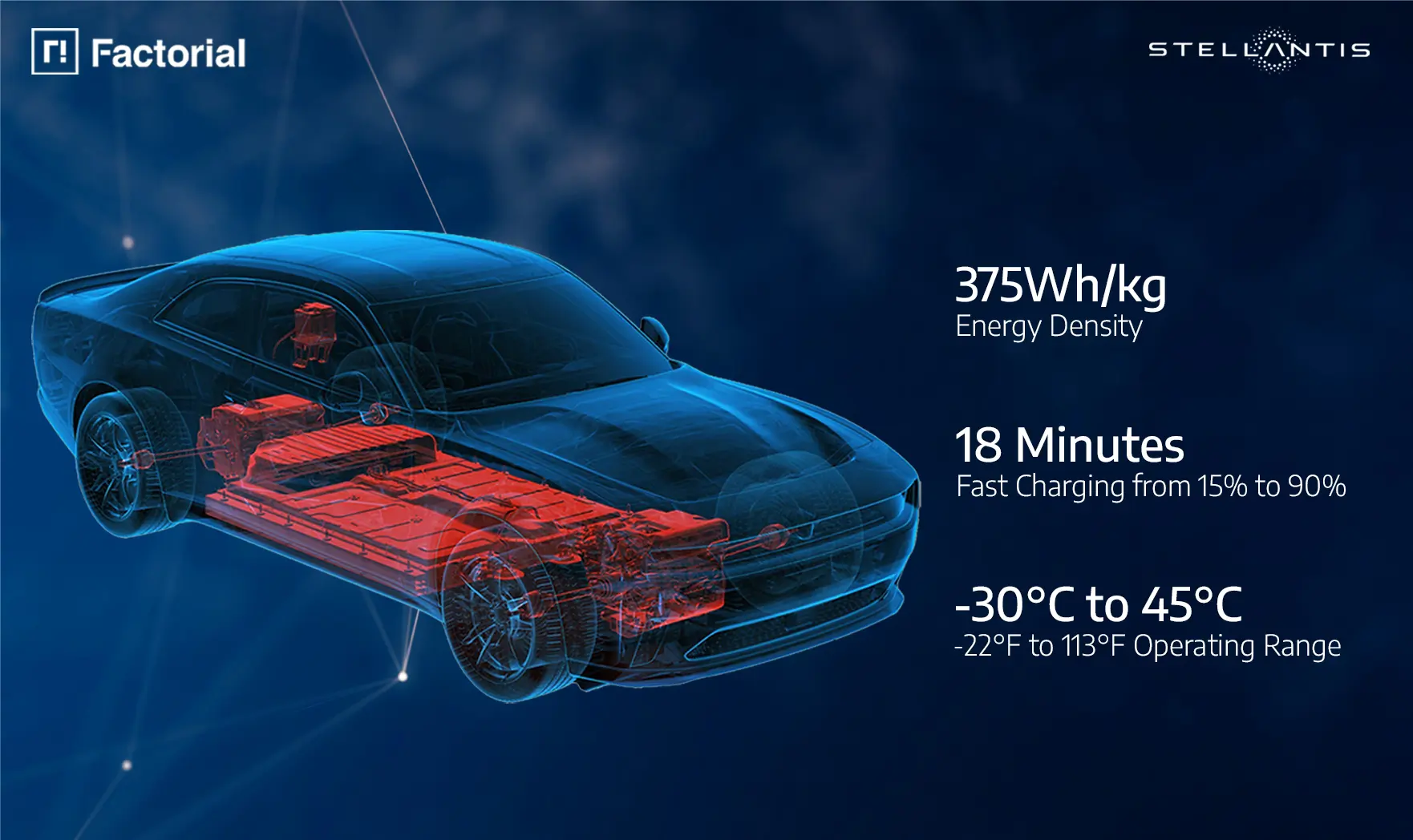
- The new FEST® cells achieve an energy density of 375Wh/kg and support over 600 charging cycles, showcasing significant advancement.
- The solid-state batteries charge rapidly, from 15% to over 90% in just 18 minutes at room temperature.
- Factorial’s AI-driven electrolyte formulation enables operation in a wide temperature range, overcoming previous limitations.
- The collaboration aims to balance energy density, cycle life, fast charging, and safety in automotive-sized batteries.
- A demonstration fleet using these batteries is expected by 2026, validating performance and paving the way for commercialization.
- Stellantis and Factorial are committed to delivering sustainable, high-performance, and cost-effective EV solutions.
In the rapidly evolving world of electric vehicles (EVs), advancements in battery technology can redefine the market landscape. Stellantis N.V., in collaboration with Factorial Energy, has unveiled a leap in battery innovation — the validation of automotive-sized solid-state battery cells. This achievement marks a pivotal moment in the pursuit of lighter, efficient, and sustainable EV solutions.
The Promise of Solid-State Battery Technology
Solid-state batteries represent a significant shift from traditional lithium-ion technology. Unlike their predecessors, these batteries are characterized by their use of solid electrolytes instead of liquid ones, which brings about notable benefits in terms of energy density, safety, and longevity.
Key Advancements with FEST® Cells
- High Energy Density: The FEST® cells, developed by Factorial Energy and validated by Stellantis, boast an impressive energy density of 375Wh/kg. This allows for longer vehicle ranges, addressing one of the most prevalent concerns among EV consumers — range anxiety.
- Rapid Charging Capability: The ability of these cells to charge from 15% to over 90% in just 18 minutes at room temperature is a noteworthy advancement. This reduces downtime and enhances the practicality of EVs for daily use.
- Temperature Resilience: Factorial’s AI-driven electrolyte formulation supports battery operation across a broad temperature spectrum (-22°F to 113°F). This versatility in performance conditions ensures that EVs can function reliably in diverse climates.
- Balanced Performance: The engineering ambition of Stellantis and Factorial is to harmonize energy density, cycle life, fast charging, and safety. This balance is crucial for automotive applications, where reliability and efficiency are non-negotiable.
The Road to Commercialization
From Validation to Demonstration
The validation of these solid-state cells is a critical step, yet the journey doesn’t stop here. Stellantis plans to integrate these groundbreaking batteries into a demonstration fleet by 2026. This real-world testing will be vital in assessing the technology’s performance, laying the groundwork for its eventual commercialization.
Ecosystem Impact
Stellantis and Factorial are not only pushing technical boundaries but are also strategically positioning themselves to reshape the EV market:
- Cost Efficiency: By focusing on the cost-effectiveness of these batteries, Stellantis helps ensure that the benefits of advanced technology are accessible to a broader market.
- Environmental Sustainability: Solid-state batteries typically involve less environmental impact due to their materials and the stability of their components, aligning with global sustainability goals.
Looking Ahead: Potential Market Disruption
The intersection of high-performance battery technology and strategic market deployment could disrupt the EV industry significantly. By potentially lowering costs and improving vehicle range, Stellantis and Factorial’s innovation may accelerate the transition from internal combustion engines to electric drivetrain systems globally.
The collaboration between Stellantis and Factorial Energy is a beacon of innovation in the EV industry. As they continue to refine and eventually deploy their solid-state battery technology, the implications for efficiency, cost, and sustainability are profound. For consumers and manufacturers alike, this breakthrough heralds a new era of electric mobility.