Tesla’s Direct Sales Model Under Fire: Navigating a Political and Economic Storm
Key Takeaways
- Tesla is facing a politically motivated attack that could impact its direct-to-consumer sales model by requiring sales through dealer franchises.
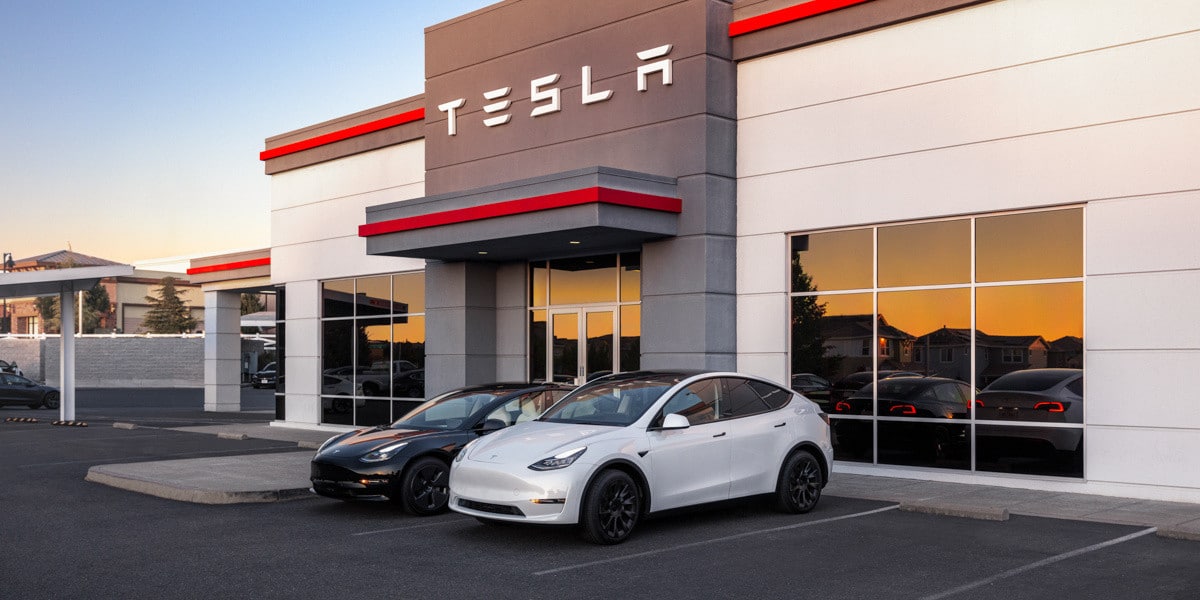
- Lawmakers in New York, led by State Sen. Patricia Fahy, are pushing to shut down Tesla showrooms and revoke the company’s direct sales licenses.
- The debate highlights the tension between Tesla’s sales model and political views, specifically Elon Musk’s affiliation with President Trump.
- Sen. Fahy argues that Tesla’s current sales model privileges should be reconsidered due to Musk’s political associations and their impacts on environmental initiatives.
- The proposed changes could complicate Tesla’s sales process and potentially harm consumers by reducing the accessibility and efficiency of purchasing a Tesla vehicle.
In recent months, one of the most groundbreaking companies in the automotive industry, Tesla, has found itself embroiled in a politically motivated controversy that could fundamentally alter its sales model. This attack on its direct-to-consumer (D2C) approach surfaces amidst political affiliations and debate over its environmental impact strategies. The ramifications of these developments are significant, not just for Tesla and its CEO Elon Musk, but for the wider consumer base and the automotive market.
The Crux of the Matter: New York’s Legislative Move
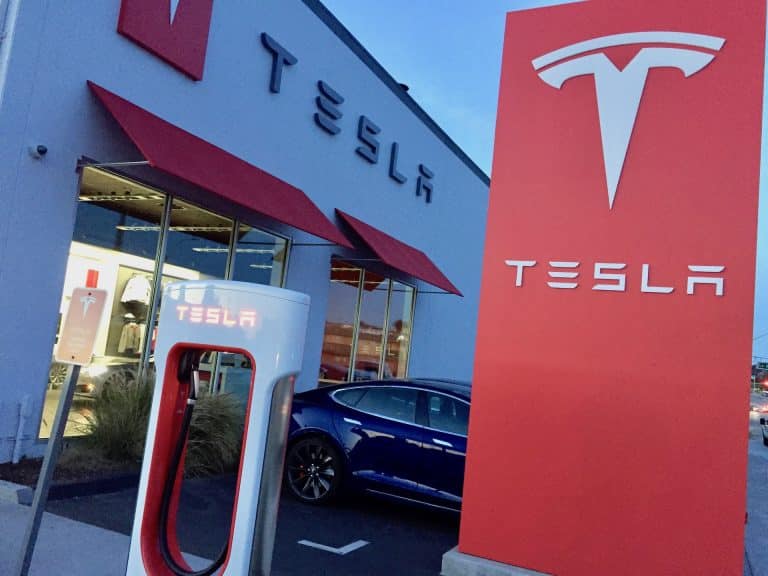
New York lawmakers, led by State Senator Patricia Fahy, are on a mission: to dismantle Tesla’s direct sales approach by mandating a shift to dealer franchises. This move is perceived as a substantial blow to Tesla’s business model, which has thrived precisely because of its hassle-free, direct-to-consumer sales process. By ensuring a more streamlined and consumer-friendly sales experience, Tesla has been able to offer competitive pricing and adaptability, key components of its market success.
The Political Undercurrents
The pushback against Tesla is not just an isolated legislative move; it’s steeped in political dynamics. Central to this issue is Elon Musk’s perceived political affiliations, particularly with former President Donald Trump. Sen. Fahy and other lawmakers argue that Tesla benefits from state privileges, incongruous with Musk’s association to an administration with policies viewed as regressive on environmental initiatives.
The Dynamics of Association
Musk’s public persona and political connections are more than mere optics—they translate into real-world consequences for Tesla. Critics argue that while Tesla has positioned itself as a leader in sustainable automotive innovation, Musk’s ties with political figures perceived to be against environmental funding and renewable energy threaten the company’s credibility in its sustainability commitments.
Consumer Impact: A Double-Edged Sword
If successful, this legislative shift could introduce significant complications for Tesla buyers, a direct contradiction to Tesla’s brand ethos of simplicity and efficiency in the consumer purchase journey. The potential closure of showrooms and transition to dealer franchises may strip away the advantages that have drawn many consumers to Tesla in the first place—direct price negotiations, expedited delivery, and a more personalized customer service experience.
Economic Considerations
- Cost Implications: Transitioning to a dealer-based model could mean increased vehicle costs due to intermediary pricing.
- Consumer Accessibility: Consumers might face difficulties in accessing Tesla vehicles geographically or experience reduced product knowledge from non-specialist franchises.
- Market Competition: This legislation could cushion traditional automotive manufacturers by leveling the competitive ground, altering market dynamics substantively.
A Broader Perspective: The Future of EV Sales
These developments prompt broader questions concerning the evolution of sales models within the electric vehicle (EV) sector. As policymakers and market forces continue to intersect, the outcome of this saga could set precedents affecting future EV market strategies.
Strategic Insights
- Adaptation and Advocacy: Tesla may need to reinforce lobbying efforts and public relations strategies to counteract these legislative changes.
- Diversification of Influence: Diversifying its political and economic affiliations might help buffer the company against future geopolitical shifts.
- Sustainability Reinforcement: Reinforcing its commitment to environmental initiatives could bolster its reputation amidst political challenges.
Tesla’s current predicament is a stark reminder of the delicate balance between innovation and regulation. As the debate unfolds, the implications for Tesla and the wider EV market remain substantial. The company’s response could define not only its future trajectory but also set a benchmark for how modern businesses navigate the intersection of politics, consumer expectations, and market realities.