T-Mobile’s Ambitious Push: Transforming Rural Connectivity with Affordable Starlink Wireless
Key Takeaways
- T-Mobile has reduced the price of its Starlink cellular service to just $10 per month.
- The service is available not only to T-Mobile users but also to AT&T and Verizon customers via an eSIM.
- T-Mobile plans to launch the service in July and is seeking FCC approval to support older devices.
- Starlink Cellular uses over 560 satellites for text messaging in remote areas, with data and voice services potentially following.
- During an earnings call, T-Mobile CEO Mike Sievert noted significant interest from competitors’ customers.
- The new pricing strategy reflects T-Mobile’s push to stay ahead of AT&T and Verizon in satellite services.
- T-Mobile’s aim is to broaden connectivity access, especially in rural locations, by overcoming regulatory challenges.
In an exciting move that promises to disrupt the telecommunications landscape, T-Mobile has slashed the price of its Starlink cellular service to just $10 per month. This strategic decision is poised to redefine rural connectivity and place T-Mobile at the forefront of satellite communication, outpacing competitors like AT&T and Verizon. Let’s delve into this development, its potential impact, and T-Mobile’s overarching strategy.
T-Mobile’s Innovative Step Forward
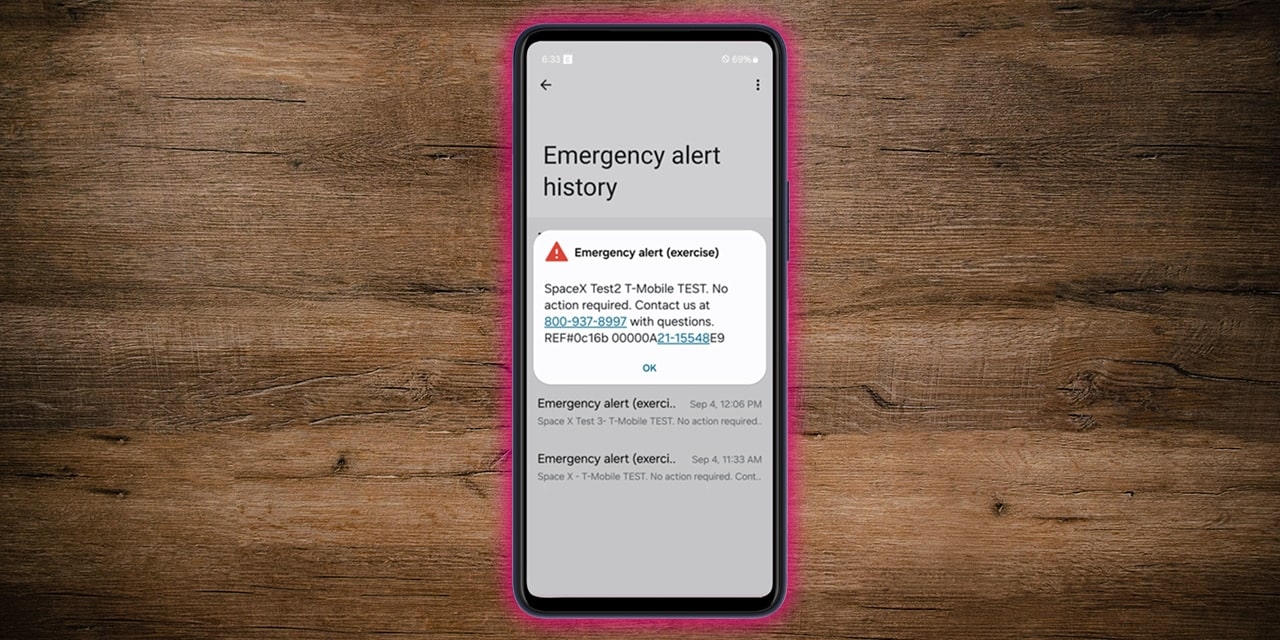
In an era where connectivity is king, T-Mobile’s new Starlink cellular service emerges as a game-changer. By leveraging over 560 satellites, the service functions as an orbiting cell tower, initially facilitating text-based messaging in remote and rural areas. Data downloads and voice calls are expected to roll out later, amplifying the service’s utility.
Universal Accessibility
What sets this initiative apart is its universal accessibility. Priced at a competitive $10 monthly rate, the service extends not only to T-Mobile subscribers but also to AT&T and Verizon customers through a downloadable eSIM. This aggressive pricing underscores T-Mobile’s commitment to delivering affordable connectivity, challenging market norms and beckoning customers from rival networks.
The Strategic Timing: Why Now?
Market Demand and Interest
The decision to refine the service’s pricing was informed by strong market demand, as highlighted by T-Mobile CEO Mike Sievert during a recent earnings call. The significant interest from customers, including those subscribed to competing networks, indicated a robust appetite for such a service. This move positions T-Mobile advantageously in the race to dominate satellite connectivity.
Technological and Regulatory Milestones
T-Mobile is targeting a July launch for the service. Meanwhile, the company is actively seeking Federal Communications Commission (FCC) approval to extend Starlink connectivity to legacy devices. Current FCC regulations favor newer models, but T-Mobile is arguing that broader access is critical, particularly for emergency communication scenarios in remote areas.
Revolutionizing Rural Connectivity
T-Mobile’s endeavor to broaden its satellite service is not just about market competition; it’s also about redefining how rural communities experience connectivity. With traditional infrastructure, such as cell towers, being cost-prohibitive in remote regions, satellite services become essential.
Impact on Rural Communities
- Enhanced Safety and Communication: Reliable text-based communication in previously hard-to-reach areas significantly bolsters safety, particularly in emergencies, empowering residents and first responders alike.
- Economic Empowerment: Improved connectivity can drive economic development by enabling access to digital marketplaces, remote work opportunities, and educational resources.
Outpacing the Competition: T-Mobile’s Strategic Vision
T-Mobile’s pricing revision and campaign for FCC approval are part of a broader strategy to outmaneuver AT&T and Verizon, both of which are also venturing into the satellite services domain alongside partners like AST SpaceMobile.
Strategies to Watch
- Market Penetration through Competitive Pricing: By establishing an affordable entry point, T-Mobile encourages consumer switch-over and gain market share.
- Infrastructure Investment: Continuing to scale and optimize its satellite constellation to enhance service capacity and reliability.
- Regulatory Navigation: Actively engaging with regulatory bodies to realign policies that could restrict service accessibility.
Looking Ahead
With T-Mobile poised to launch its enhanced Starlink service in July, the telecommunications industry is on the cusp of transformation. This venture not only sets a new pricing standard but also compels competitors to reevaluate their strategies in the satellite connectivity space. As regulatory and technological hurdles are met, T-Mobile stands to redefine mobile network accessibility, championing both affordability and inclusivity.