Tesla’s Revolutionary Approach to Autonomous Ride-Hailing: An Inside Look at the Robotaxi Pilot
Key Takeaways
- Tesla has introduced a limited Robotaxi platform available only to its employees in Austin and San Francisco.
- The pilot program has completed over 1,500 trips and covered 15,000 miles using Tesla’s Full Self-Driving (Supervised) system.
- A human driver is currently stationed in the car to oversee its movements and ensure safety.
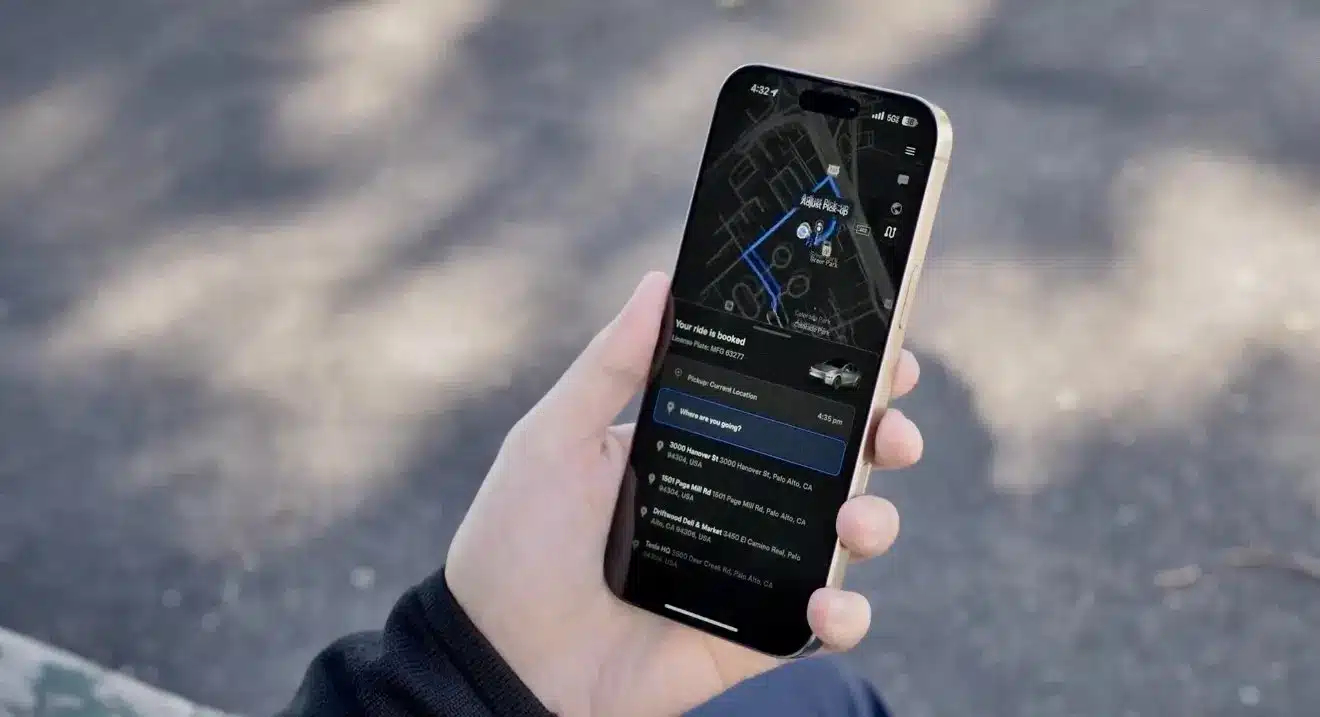
- Tesla’s Robotaxi service will be integrated into their existing app, facilitating ride requests and remote assistance.
- The company aims to have a pilot version of the fully autonomous Robotaxi ready in Austin by June 2024.
As transportation evolves, Tesla is leading the charge with groundbreaking advancements. The company’s latest venture into autonomous ride-hailing is highlighted by the introduction of its Robotaxi platform, currently piloted in specific areas. This blog post delves into the intricate details of Tesla’s Robotaxi program, shedding light on its operations, technology, and future potential.
The Emergence of Tesla’s Robotaxi
Tesla has taken a significant step towards revolutionizing urban transportation by launching a preliminary version of its Robotaxi service. Available exclusively to employees in Austin and the San Francisco Bay Area, this pilot program marks the beginning of what could be a transformative journey for autonomous driving technology.
Key Features of the Pilot Program
- Limited Access: The initial rollout is intentionally exclusive, allowing Tesla to fine-tune operations with a controlled group of users. This strategy enables the company to gather vital feedback and enhance its systems before a wider public release.
- Performance Metrics: Since its inception, the program has successfully completed over 1,500 trips and logged an impressive 15,000 miles. This data not only highlights the operational capability of Tesla’s Full Self-Driving (Supervised) Suite but also demonstrates its potential for scalability.
- Safety Measures: Despite the autonomous nature of the system, a human driver remains present in each vehicle. This measure ensures immediate intervention if necessary, maintaining a safety-first approach while validating the system’s reliability.
Deep Dive into the Technology
Incorporating Tesla’s Full Self-Driving (Supervised) technology, the Robotaxi initiative leverages advanced neural networks and real-world data to navigate roads. This section explores the technological backbone of Tesla’s autonomous vehicles:
- Neural Networks and Vision: Tesla’s Full Self-Driving Suite relies on sophisticated neural networks trained on billions of miles of real-world data. This vision-only architecture is central to realizing a scalable and profitable autonomy business.
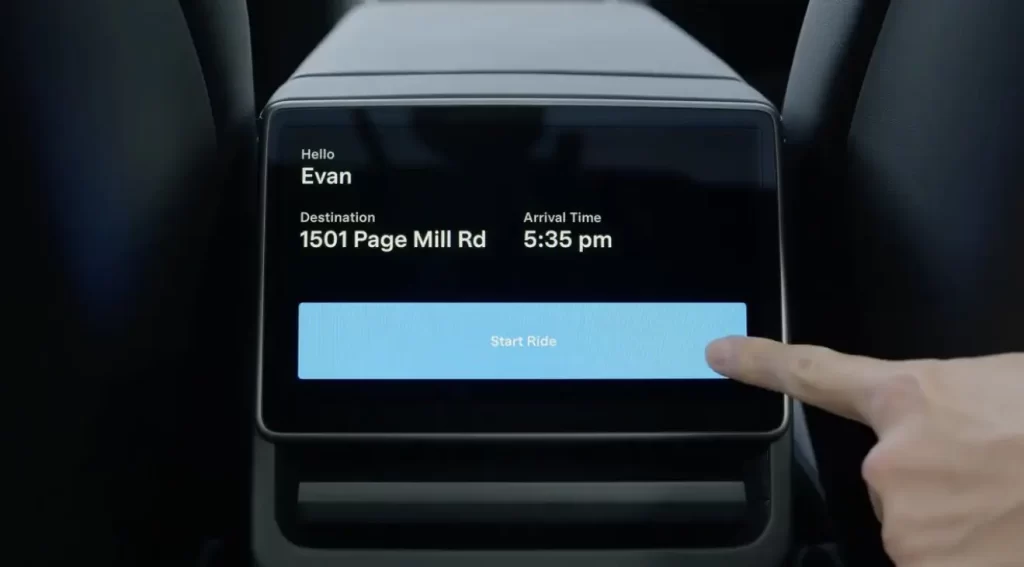
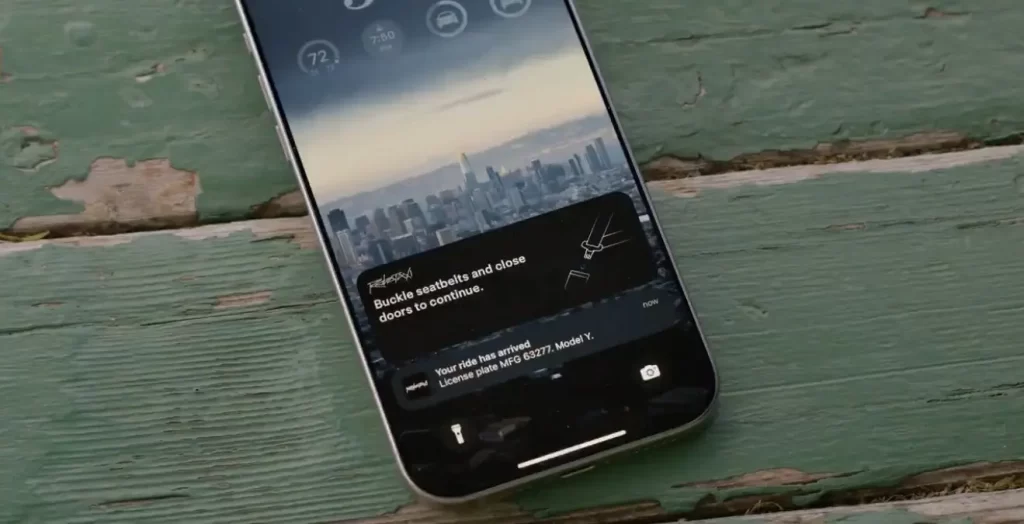
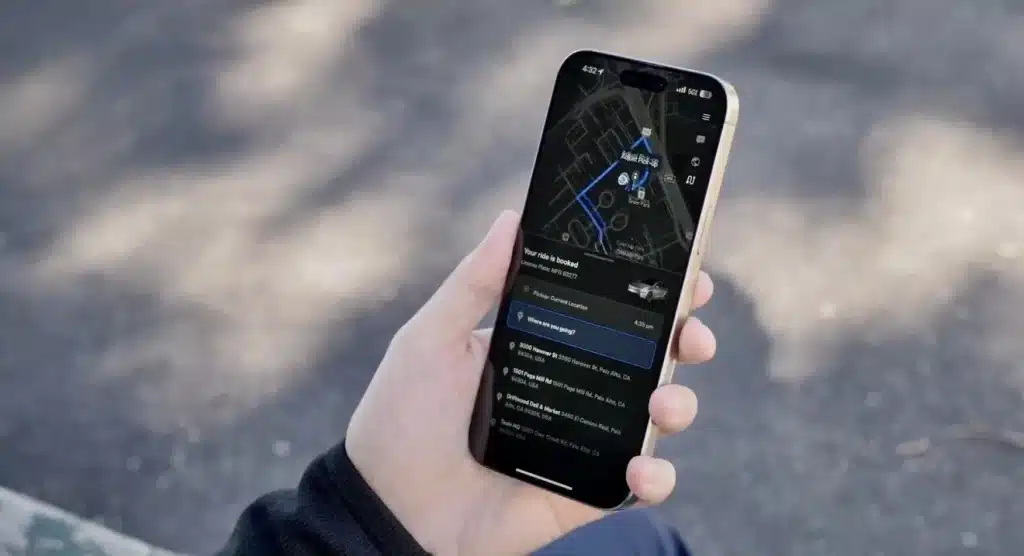
- Integrated App Functionality: The Robotaxi service will seamlessly integrate into Tesla’s existing app, enabling users to request rides, allocate vehicles, and utilize mission control and remote assistance. This integration underscores Tesla’s commitment to user-friendly experiences and efficient service delivery.
Future Prospects and Challenges
While promising, the journey toward a fully autonomous Robotaxi fleet is not without obstacles. Tesla has set an ambitious target to launch a fully autonomous Robotaxi in Austin by June 2024. Achieving this goal will require overcoming technical challenges, regulatory hurdles, and public skepticism about autonomous vehicles.
Tesla’s Robotaxi initiative signifies more than just a step towards autonomy; it’s a giant leap for transportation. By harnessing cutting-edge technology and robust data, Tesla is poised to redefine ride-hailing. As development progresses, it will be exciting to see how this project shapes the future of mobility.