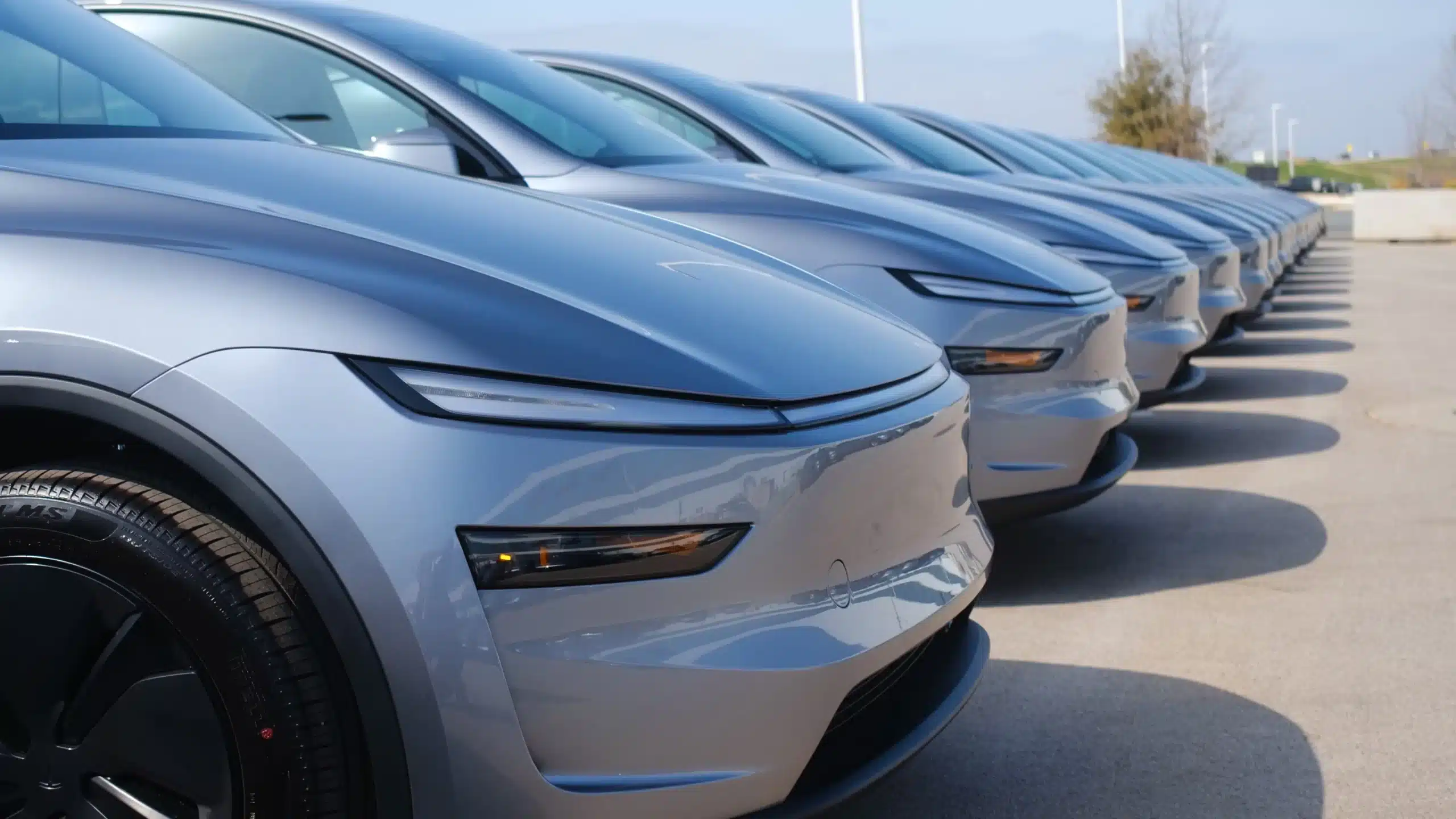
Every Tesla Delivered in the U.S. Now Equipped with American-Built Batteries
Key Takeaways
- Tesla’s Model Y and Model 3 in America now use 100% U.S.-built battery packs, showcasing forward-thinking strategies.
- Gigafactory Nevada reached a record in battery pack production, enhancing Tesla’s self-reliance.
- Tesla is regionalizing supply chains to mitigate risks, involving dual sourcing and local partnerships.
- Musk states Tesla’s vertical integration is on par with Ford’s era, citing their lithium and cathode refineries.
- Efforts include advanced analytics and vertical integration to protect against supply disruptions.
- Tesla plans to start production in its U.S.-based lithium and cathode refineries to counter Trump’s auto tariffs.
As Tesla continues to tread the path of innovation and sustainability, its latest move to manufacture 100% U.S.-built battery packs for the Model Y and Model 3 marks a pivotal milestone. This strategy not only underscores Tesla’s commitment to American industry but also fortifies its position against global supply chain volatilities and policy challenges such as tariffs.
The Power Move: American-Built Battery Packs
The decision to equip its popular Model Y and Model 3 vehicles with U.S.-built battery packs represents Tesla’s strategic foresight. By focusing on domestic production, Tesla is not just adhering to a stringent quality and sustainability protocol, but is also cementing its role as a leader in the automotive industry’s transition to electric.
Benefits of American-Built Batteries
- Enhanced Quality Control: Proximity to production facilities allows for better oversight and quality assurance processes.
- Job Creation: Encouraging local manufacturing can stimulate the economy by creating jobs and fostering skilled labor growth.
- Policy Alignment: Aligning with governmental incentives and tariffs can protect Tesla’s profitability and competitive edge.
Gigafactory Nevada: A Production Powerhouse
The records set by Gigafactory Nevada in battery pack production are testament to Tesla’s industrial might. By achieving new heights in production capabilities, Tesla enhances its self-reliance and reduces dependence on foreign suppliers—a critical factor amidst uncertain global trade dynamics.
Strategizing Resilience: Supply Chain Mitigation
In an era marked by unpredictable disruptions, Tesla’s initiative to regionalize its supply chain is both prudent and necessary. Here’s how Tesla is tackling supply chain challenges:
- Dual Sourcing
- Securing materials from multiple geographies to reduce dependency on a single source.
- Local Partnerships
- Collaborating with regional suppliers to boost local economies and ensure steady material supply.
- Advanced Analytics
- Implementing AI and data analytics to forecast demands and optimize production schedules.
Vertical Integration: The Henry Ford Comparison
Elon Musk’s assertion that Tesla’s vertical integration is reminiscent of Henry Ford’s legacy is not an exaggeration. This approach minimizes risk and maximizes control over the entire production process—from raw material sourcing to final assembly. Tesla’s comprehensive integration is unparalleled, giving it a competitive advantage in agility and resilience.
Lithia Cathode Wonders: Refining Efficiencies
The establishment and commencement of production in Tesla’s lithium and cathode refineries underscore their future-ready vision. By localizing the production of these critical components, Tesla anticipates policy changes such as Trump’s tariffs and insulates itself against volatile international markets.
A Model for Future Industry
Tesla’s initiatives set a benchmark for other companies aiming to achieve energy independence and resilience in the face of global disruptions. By manufacturing in America, pioneering vertical integration, and adopting a strategic approach to supply chain management, Tesla extends beyond being a car manufacturer; it becomes a blueprint for sustainable growth in the modern enterprise.