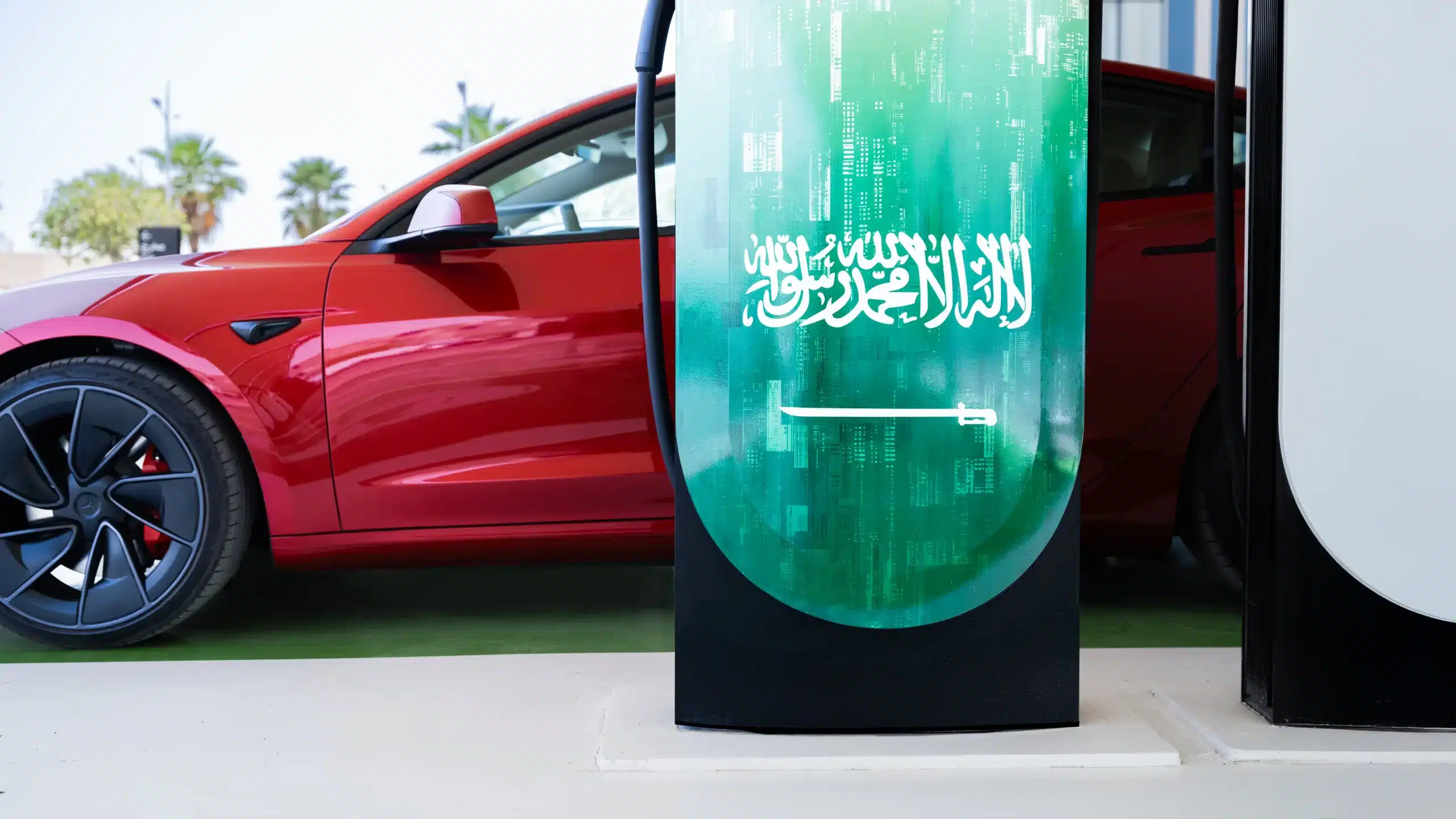
Tesla Takes Immediate Action in Response to Saudi EV Charging Doubts
Key Takeaways
- Tesla swiftly launched 24 Superchargers in Saudi Arabia following concerns over electric vehicle charging infrastructure.
- The launch aligns with Tesla’s release of the Cybertruck in Saudi Arabia, Qatar, and the UAE.
- A report highlighted that, as of 2024, Saudi Arabia had only 101 EV charging stations compared to 261 in the UAE.
- New Superchargers were placed in major cities, including Riyadh, Jeddah, and Dammam.
- Tesla plans further expansion with more Superchargers in additional cities and along major highways.
- Carlos Montenegro of BYD emphasized charging as a major concern due to Saudi drivers’ high annual mileage.
- Tesla’s expansion in the Middle East marks a key step in addressing infrastructure gaps for EV adoption.
Electric vehicles (EVs) have swiftly transitioned from a futuristic concept to a practical reality, and Tesla continues to lead this transformation. With its recent strategic launch of Superchargers in Saudi Arabia, Tesla is not only enhancing the EV experience but is also addressing some of the most pressing challenges related to electric vehicle adoption in the region.
Expanding EV Infrastructure in the Middle East
In a bold attempt to tackle the concerns about EV charging infrastructure in Saudi Arabia, Tesla recently installed 24 Superchargers across the kingdom’s key cities, namely Riyadh, Jeddah, and Dammam. This development follows Tesla’s announcement to deliver its much-anticipated Cybertruck not only in Saudi Arabia but also in neighboring markets like Qatar and the United Arab Emirates (UAE).
Why is this Expansion Significant?
The expansion into Saudi Arabia is crucial for several reasons:
- Addressing Existing Challenges: As of 2024, Saudi Arabia had only 101 EV charging stations, a relatively low number compared to the 261 situated in the UAE. This paucity of charging infrastructure poses a significant barrier to widespread EV adoption.
- Preparing for Increased Demand: With the launch of the Cybertruck, it is expected that the demand for EV charging solutions will soar. Tesla’s quick response in expanding Supercharger availability marks a proactive step in catering to this anticipated demand.
- Urban and Long-Distance Travel: By placing Superchargers in major urban centers, Tesla lays the groundwork for supporting urban EV users. Moreover, future plans to expand along major highways will facilitate longer intercity journeys across the desert, currently a daunting task for EV owners due to limited infrastructure.
Future Plans and Expansion
Tesla’s current installation of 24 Superchargers is just the beginning of its vision for Saudi Arabia and the wider Middle East. Here’s a glimpse into what Tesla plans next:
- City Focused Expansion: More Superchargers are expected in cities like Taif, Medina, and Buraydah by next year.
- Connectivity Through Highways: Plans are underway to develop Supercharger routes along the Jeddah-Riyadh-Dammam highway, enhancing connectivity between major socio-economic hubs.
- Continued Growth in Surrounding Regions: Tesla’s vision encompasses a sustained expansion in Qatar, the UAE, and beyond, as the Middle East becomes an increasingly attractive market for EVs.
Addressing the Concerns
Carlos Montenegro of BYD pinpointed one major concern: the requirement for a more robust charging infrastructure, given that Saudi drivers generally cover more kilometers annually compared to their counterparts in other regions. Tesla’s recent developments are a direct response to such concerns, signaling their commitment to nurturing a thriving EV ecosystem.
Tesla’s expansion in Saudi Arabia is more than just a business maneuver—it’s a defining moment in the Middle Eastern EV narrative. By systematically tackling infrastructure bottlenecks, Tesla is paving the way for sustainable energy solutions and setting a precedent for other automakers to follow.
This move not only highlights Tesla’s strategic planning prowess but also emphasizes the need for collaborative efforts in the automotive sector to facilitate smoother transitions to electric mobility globally.