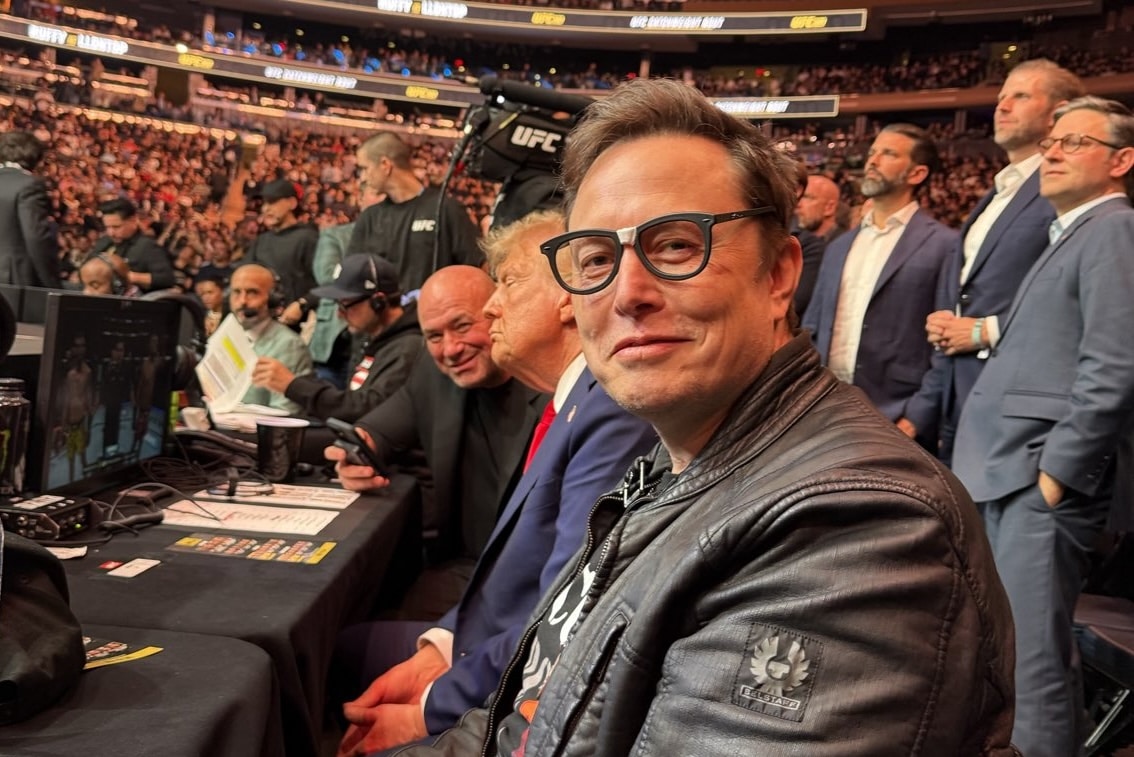
Elon Musk’s Joking Jab at Buying MSNBC: A Deeper Dive into Potential Repercussions
- 😂 Elon Musk humorously hinted at purchasing MSNBC, sparking mixed reactions.
- 📺 Recent Comcast news led to speculation about the sale of MSNBC.
- 🗣️ Dialogue between Elon Musk and Donald Trump Jr. included suggestions of buying MSNBC.
- 🤑 Elon Musk previously bought Twitter after expressing interest, raising similar questions now about MSNBC.
- 🤔 Tesla shareholders are concerned about Musk’s potential MSNBC interest impacting TSLA stock.
The Joke That Sparked a Storm
Elon Musk is no stranger to making waves with a single tweet. Recently, he humorously hinted at the possibility of purchasing MSNBC, a jest that echoed his previous acquisition antics with Twitter. Given his history, even jokes are taken seriously when Musk is involved, especially by the financial markets and shareholders of his various enterprises. This blog post dives deep into the nuances of Musk’s casual comments, the background of Comcast’s news, and the ripple effects on Tesla’s stock and shareholder concerns.
Musk’s Media Empire Aspirations?
Elon Musk’s foray into media began with his purchase of Twitter, now rebranded as X, for a hefty $44 billion. His playful query about MSNBC’s price to Donald Trump Jr. brought forth memories of that significant acquisition. With Comcast considering spinning off CNBC, MSNBC, and other TV brands into a separate entity, the timing of Musk’s jest couldn’t have been more intriguing.
The Ripple Effect
- Market Impact: When Musk speaks, markets listen. Jest or not, the implications of a potential purchase stirred reactions from Tesla shareholders, primarily due to concerns about Musk’s financial commitments and its effects on TSLA stock.
- Shareholder Concerns: Given Musk’s history of selling Tesla stock to fund his acquisitions, the thought of another large-scale purchase isn’t particularly comforting to the stakeholders. Each sale can potentially drive TSLA stock prices down, a scenario that has played out during Musk’s Twitter purchase phase.
The Context: Comcast’s Spinoff Strategy
Comcast announced its intention to spin off its cable news channels, including MSNBC, into an independent entity. This strategic move is not just an attempt at streamlining its operations but also a possible avenue to attract interested acquirers in the market.
Reasons Behind the Spinoff
- Focus and Flexibility: By creating a separate entity, Comcast aims to focus its resources on its remaining core areas while providing the spinoff the flexibility to innovate and operate independently.
- Market Adaptation: The ever-evolving media industry demands agility. A standalone media entity can react quicker to market changes and technological innovations.
- Monetization Opportunities: Simplifying the corporate structure could also serve to enhance investment prospects, thereby monetizing these assets if future sales emerge as a strategy.
Potential Buyers: Who’s in the Lineup?
As Comcast prepares for the spinoff, speculation abounds concerning potential acquirers. Besides Musk’s playful comments, who else could emerge as a serious contender for MSNBC?
Possible Candidates
- Traditional Media Giants: Companies like Disney and ViacomCBS might consider expanding their news portfolios.
- Tech Titans: With media consumption increasingly shifting online, tech companies—perhaps even ones Musk has affiliations with—might see potential in acquiring a traditional media outlet.
- Private Equity Firms: These firms often look for stable media entities to add to their investment portfolios.
Conclusion: Navigating Jests and Genuine Moves
While Musk’s comment might just be in good humor, it highlights his market-moving clout. Whether or not he makes a bid for MSNBC, the implications of such hypotheticals must be analyzed for their very real impact on stock markets and individual investors.