Unpacking the Doubts: CATL’s View on Tesla’s 4680 Battery Cell and Future Collaborations
- 🚗 CATL Chairman, Robin Zeng, expressed doubts about Tesla’s 4680 battery cell, suggesting it will not be successful in the long term.
- 🤝 During a meeting in Beijing, Zeng told Elon Musk that Tesla is better equipped for other technologies than battery cells.
- 🔋 Tesla announced the production of its 100 millionth 4680 battery cell in Gigafactory Texas, and plans to expand its Gigafactory Nevada for increased production capacity.
- 🏭 A licensing deal exists between Tesla and CATL related to battery production technology in Nevada, launching in 2025.
- 🎥 Zeng supports Tesla’s camera-only approach for its Supervised Full Self-Driving (FSD) system but criticizes Musk’s ambitious timelines as unrealistic.
- 🇺🇸 CATL is interested in establishing a U.S. factory, contingent on approval from President-elect Donald Trump, highlighting a possible shift in cross-national industrial collaboration.
Tesla’s quest for innovation in electric vehicle technology is well-documented, and the introduction of the 4680 battery cell is one of its most ambitious projects yet. However, skepticism from a key player in the battery industry, CATL Chairman Robin Zeng, raises intriguing questions about the future success of this technology. In this blog post, we delve into these doubts and explore the broader implications for the electric vehicle (EV) industry and cross-national industrial collaborations.
An Overview of the 4680 Battery Cell Dilemma
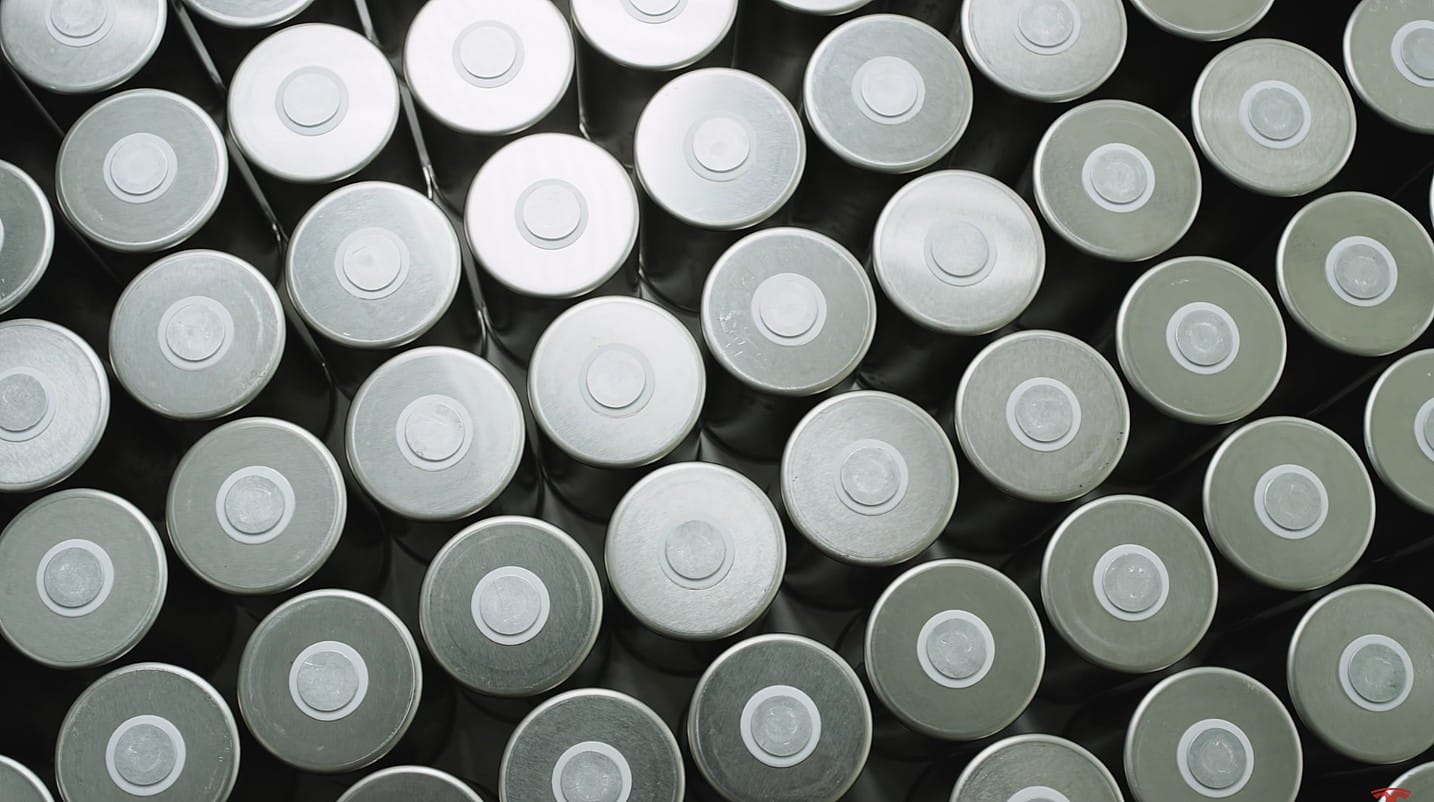
The 4680 battery cell, named for its dimensions (46mm by 80mm), promises significant improvements in energy capacity and cost reduction for Tesla’s EVs. Despite its potential, Robin Zeng of CATL, a global leader in battery manufacturing, has expressed serious reservations about its long-term viability.
The Skeptic’s Outlook
Zeng’s doubts are grounded in technical and strategic perspectives:
- Technical Challenges: The production of larger battery cells poses several technical hurdles, such as maintaining consistent quality and ensuring efficient thermal management.
- Strategic Misdirection: Zeng posits that Tesla should focus its efforts on technologies where it has a competitive edge, such as software and hardware integration, rather than venturing into complex battery manufacturing.
Tesla’s Battery Milestones
Despite external skepticism, Tesla’s advancements with the 4680 battery cell cannot be overlooked:
- Milestone Achievements: As of September, Tesla has produced over 100 million 4680 battery cells at Gigafactory Texas. This marks a significant scaling up from the 50 million units achieved earlier in June.
- Expansion Plans: The company is actively expanding its Gigafactory Nevada to accommodate a dedicated 4680 cell production area, aiming for a long-term production target of 500 GWh.
The Tesla-CATL Licensing Deal
A strategic licensing deal between Tesla and CATL for battery production technology is scheduled to launch in 2025, set to strengthen the technological capabilities on both sides. This agreement envisions a collaborative future, potentially balancing Zeng’s criticism with mutual technological advancements.
Beyond Batteries: Autonomy and Expectations
Zeng’s engagement with Elon Musk extends beyond batteries, touching on Tesla’s approach to autonomy. He supports Tesla’s strategy of using cameras-only for its Supervised Full Self-Driving (FSD) system but remains critical of Musk’s traditionally ambitious timelines, which often lead to overpromising and under-delivering. This contradiction highlights a common tension between visionary goals and pragmatic execution.
Cross-National Industrial Collaborations
One of the most intriguing developments is CATL’s interest in building a manufacturing plant in the United States. This move is contingent on approval from President-elect Donald Trump and signifies a potential shift in industrial collaborations between the U.S. and China:
- Political and Economic Impact: This prospective factory represents a significant opportunity for job creation and a strengthening of industrial ties, provided there is a conducive political environment.
- Strategic Benefits: A U.S.-based factory aligns with both nations’ interests in fostering technological advancements and enhancing competitive advantage in the growing EV market.
Conclusion
While skepticism such as that voiced by Robin Zeng highlights potential pitfalls for Tesla’s 4680 battery, it also underscores the importance of cross-industry dialogue and collaboration. The future of EV technology is not just about one company’s innovations but the global ecosystem’s capacity to embrace and enhance these technological advancements. As Tesla continues its pursuit of innovation, partnerships like those with CATL may hold the key to overcoming the daunting challenges ahead and realizing transformative progress in the EV landscape.