The Uncertain Future of Tesla’s Gigafactory in Mexico: Navigating Political and Economic Challenges
- 🚧 Tesla’s Gigafactory Mexico plans face uncertainty due to political changes and the recent election.
- 🤝 Mexico’s Economy Chief, Marcelo Ebrard, is hopeful about negotiating with Elon Musk to secure the factory’s future.
- 🚫 Potential tariffs by President-Elect Trump on vehicles imported from Mexico pose a significant challenge for Tesla’s plans.
- 📄 Tesla has not yet filed a crucial investment application for the Mexican factory, leading to further complications.
- 🔄 The future of Giga Mexico is dependent on the political and economic climate post-election, with decisions still pending.
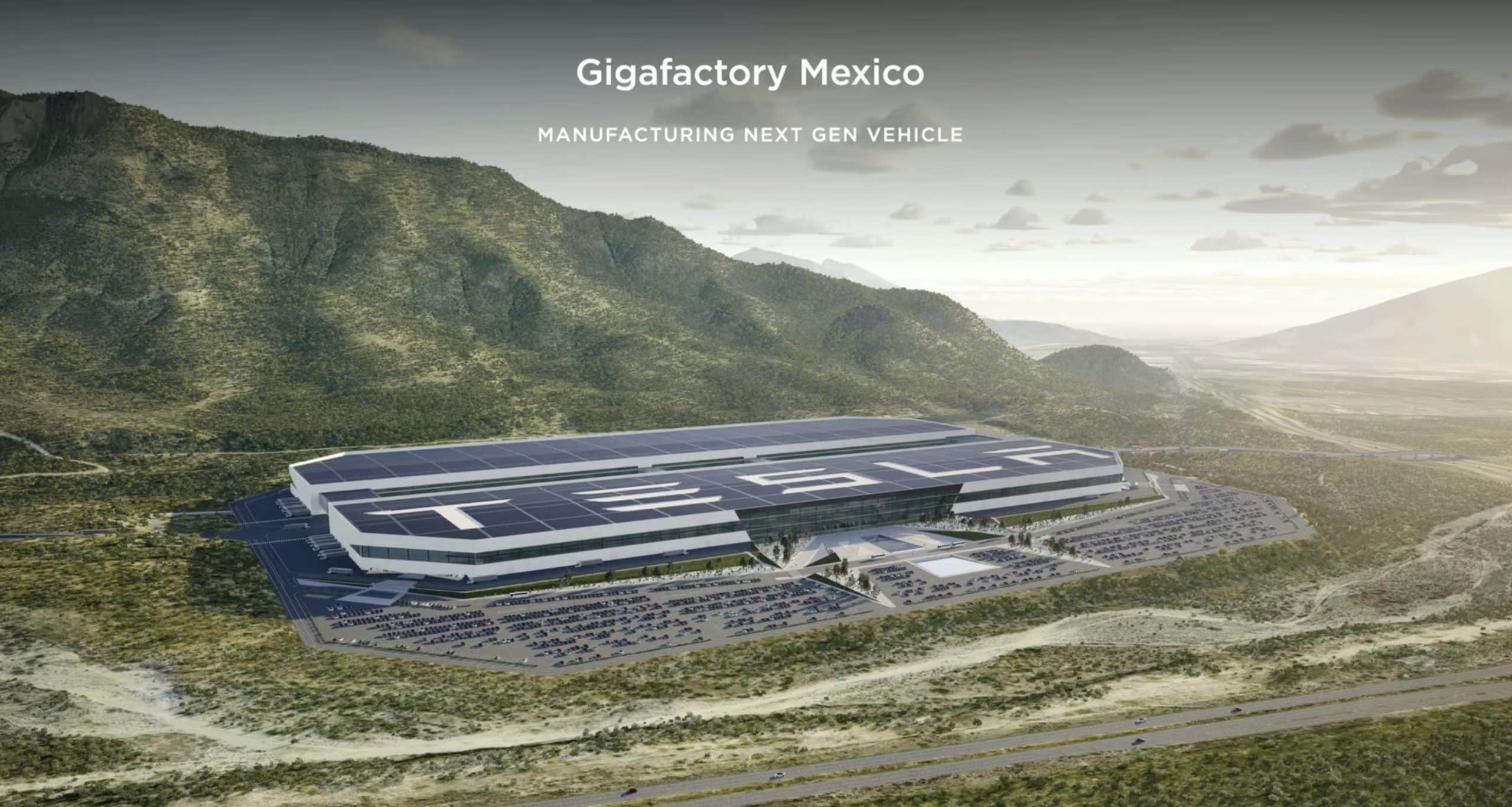
Tesla’s ambitious expansion plans for a Gigafactory in Mexico have encountered a series of obstacles, including political uncertainty following a recent presidential election and looming economic policies. In this post, we will delve into the main challenges facing Tesla’s Gigafactory Mexico project and explore potential outcomes for this pivotal venture.
Understanding the Stakes
Tesla’s Gigafactory Mexico is part of the company’s broader strategy to increase production capacity for electric vehicles globally. As Tesla seeks to extend its manufacturing footprint, Mexico stands out due to its proximity to the United States and its established automotive manufacturing industry.
Why Mexico?
- Strategic Location: Mexico’s geographical proximity to the U.S. makes it an attractive location for the logistics of exporting vehicles to North American markets.
- Established Infrastructure: With a strong supply chain supporting the automotive sector, Mexico offers a conducive environment for vehicle production.
- Cost Advantages: Lower labor costs compared to the U.S. could offer significant savings for manufacturing operations.
Political and Economic Hurdles
Recent political developments have introduced uncertainty into Tesla’s plans. The election of President-Elect Donald Trump has raised the prospect of new tariffs on vehicles imported from Mexico, potentially undermining the financial viability of the Gigafactory.
Potential Implications of Tariffs
Trump’s proposed tariffs could significantly impact Tesla’s strategy:
- Increased Costs: A 200% tariff would substantially increase the cost of exporting vehicles manufactured at the Mexican plant to the U.S.
- Shift in Strategy: Such economic barriers might necessitate a reevaluation of Tesla’s manufacturing plans, including the possibility of shifting production to alternative locations with more favorable trade terms.
Hope on the Horizon
Despite these challenges, Mexico’s Economy Chief, Marcelo Ebrard, remains optimistic about reaching an agreement with Tesla’s CEO, Elon Musk. Ebrard’s intervention could be pivotal in navigating these rough seas.
Strategic Negotiations
- Dialogue Opportunities: A potential meeting between Ebrard and Musk could lead to strategic negotiations that might pave the way for favorable terms for Tesla.
- Investment Assurance: Gaining clarity on Tesla’s commitment and investment in the region will be crucial for reassuring stakeholders.
The Complicated Path Forward
Tesla has yet to submit a crucial investment application for the construction of the factory in Mexico, leaving many questions about the project’s status. This administrative hurdle, combined with the geopolitical climate, means the road ahead is far from straightforward.
What Needs to Happen?
- Clear Investment Initiatives: Tesla must take definitive steps towards registering its investment to demonstrate its commitment to the Mexican government and local partners.
- Adaptive Strategies: Tesla must remain flexible, prepared to adapt its strategy in response to evolving political and economic landscapes.
Conclusion
The future of Tesla’s Gigafactory in Mexico hangs in the balance, with multiple factors contributing to its current state of uncertainty. As Tesla navigates this intricate web of political and economic challenges, stakeholders will be watching closely to see how this high-stakes situation unfolds.