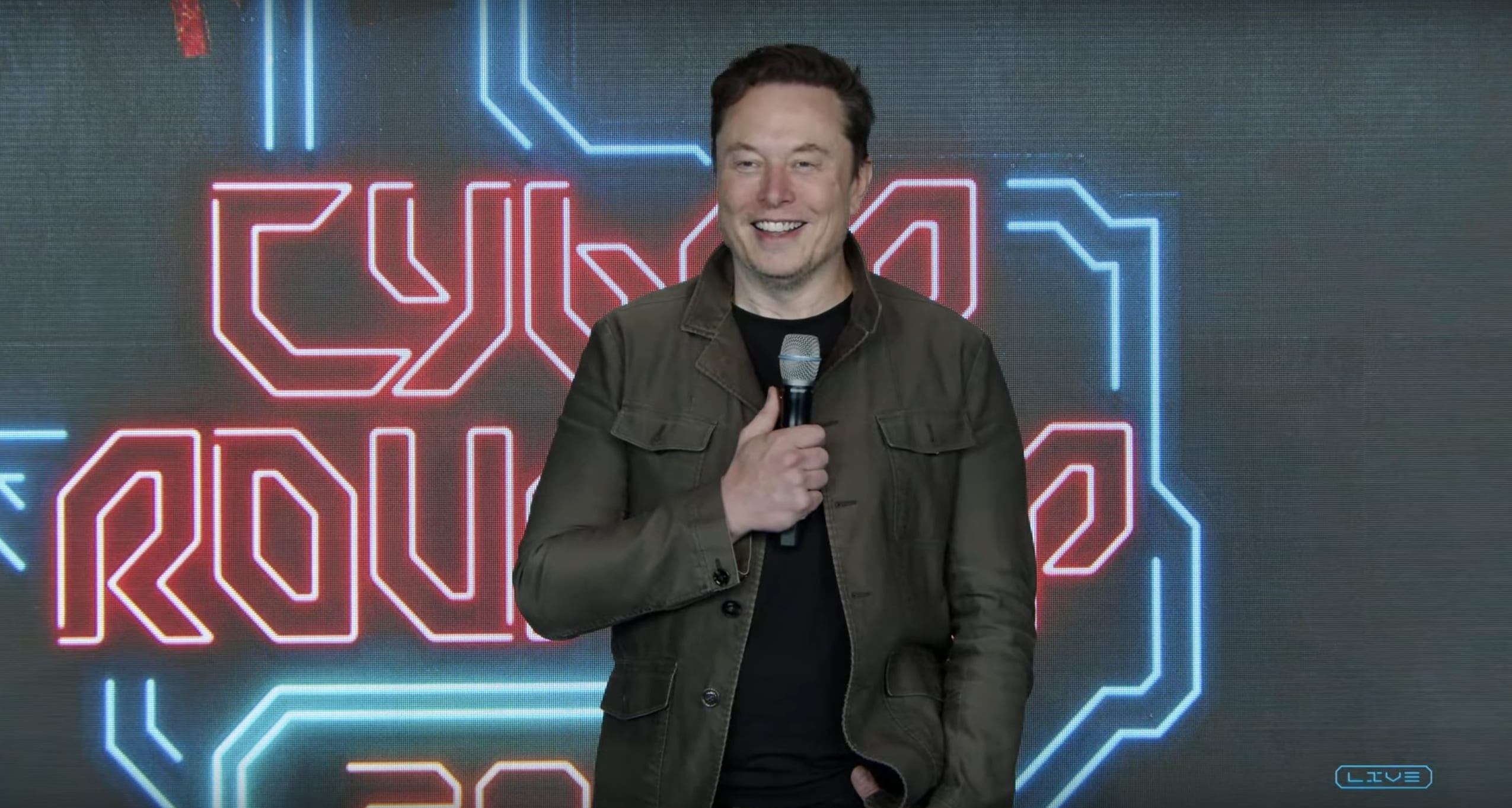
Elon Musk and the Controversy Over His Early U.S. Work Status: Unraveling the Facts
- 📰 Elon Musk denies reports claiming he worked illegally in the U.S. during the early days of launching Zip2.
- 🗞️ The Washington Post reported that Musk lacked legal status after dropping out of Stanford, conflicting with his recent political stance.
- 🇺🇸 Musk admits to being on a J-1 visa that transitioned to an H1-B, contradicting claims of his illegal work status.
- 👥 Former associates expressed concerns about Musk’s visa status potentially affecting Zip2’s IPO plans.
- 📧 Emails obtained by The Post indicate Musk’s past acknowledgment of immigration issues while focusing on building his career.
Elon Musk is no stranger to controversy, much like his ambitious technological pursuits that seem to constantly push the envelope. Once again, Musk has found himself at the center of a media storm, this time regarding allegations about his working status in the U.S. during the inception of his entrepreneurial journey with Zip2. As these reports ripple through media platforms, it’s crucial to delve into the facts, examine the surrounding context, and understand what this means for Musk and others in similar situations.
The Origin of Allegations
Recent reports have unfolded claiming that Elon Musk may have worked illegally in the United States during the early days of his company, Zip2. The Washington Post published pieces asserting that after Musk dropped out of a graduate program at Stanford University, his legal standing in the U.S. became questionable, particularly in light of his current political opinions on immigration. This article argues that by not maintaining official enrollment in his courses, Musk could have been without the legal right to work in the country at the time he was building Zip2 alongside his brother, Kimbal Musk.
Musk’s Response and Visa Transition
In the face of these allegations, Musk has not remained silent. He has publicly denied any claims of illegal work, stating that he was initially on a J-1 visa, which later transitioned to an H1-B visa, enabling him to work legally in the United States. This declaration is designed to provide a contrast to the accusations, aiming to clarify his legal status during a time that was pivotal for his career.
Understanding J-1 and H1-B Visas
The J-1 visa is a non-immigrant visa issued to individuals participating in work-and-study-based exchange visitor programs. Transitioning to an H1-B visa, which is typically used for specialty occupations requiring theoretical or technical expertise, would indeed make it legal for Musk to work during his tenure with Zip2. It’s essential to comprehend the nuances of these visas to appreciate the complexity of Musk’s situation fully.
Concerns Among Former Associates
Adding layers to this story, former associates and stakeholders in Zip2 have come forward, voicing their apprehensions regarding Musk’s legal status at that time. Among them was Derek Proudian, a former board member and CEO, who acknowledged that concerns about the Musk brothers’ immigration status were discussed, especially considering potential complications for Zip2’s future public offering. The fear of deportation was palpable, and ensuring their standing was on the right side of U.S. immigration law was evidently a priority.
Emails and Other Revelations
Amid the fray, The Washington Post claims to have obtained email compilations that shed light on Musk’s past discussions with Tesla executives, where he allegedly alluded to his immigration struggles. Through these exchanges, Musk reportedly expressed a desire to find sustainable solutions to stay in the U.S. legally, tying his hopes to the burgeoning prospects of Zip2.
Broader Implications and Opinions
The Intersection of Immigration and Innovation
The revelations about Musk’s earlier immigration status underscore broader systemic issues at the intersection of immigration policy and innovation. Many entrepreneurs find themselves navigating this complex terrain, simultaneously trying to bring their visions to life while adhering to intricate legal frameworks. Musk’s case acts as a microcosm of larger challenges faced by international innovators aspiring to make their mark in the United States.
Reflecting on Musk’s Narrative
Despite the intensity of the allegations, it’s pivotal to reflect on Musk’s overall narrative and his continuous contributions to the tech industry. While it’s crucial to adhere to legal protocols, the potential impediments these processes may cause for entrepreneurs raise essential questions about how policy can better support those seeking to innovate and contribute to economic growth.
Conclusion
Elon Musk’s journey has never been devoid of hurdles, and the latest allegations regarding his early working status in the U.S. provide yet another chapter in his storied career. As media stories develop, stakeholders and the public alike will continue to scrutinize and debate his past actions. However, amidst this discourse, it is essential to recognize the broader implications for immigration policies affecting countless entrepreneurs striving to transform industries on a global scale.