Understanding the RUD of Starship Ship 36: What Happened and What’s Next for SpaceX
Key Takeaways Elon Musk and SpaceX stand at the frontier of space
SpaceX’s ambitious quest for the stars continues to face hurdles, as the Federal Aviation Administration (FAA) launches an investigation into the mishap of the ninth Starship test flight. Despite the complexities and setbacks, each of these significant endeavors inches us closer to a future of accessible space travel. Let us delve into Flight 9’s challenges, the FAA’s role in space travel safety, and SpaceX’s continuous evolution.
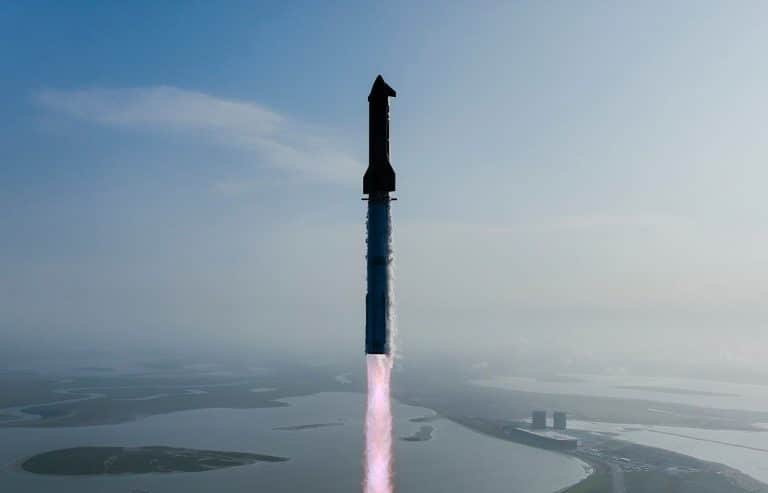
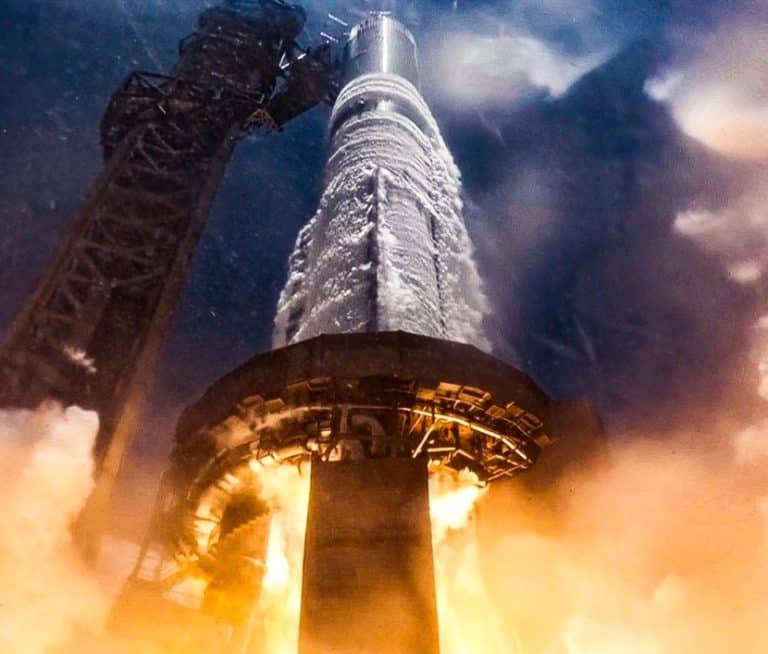
SpaceX Starship Flight 9, launched on May 27, 2025, marked another pivotal step in SpaceX’s journey to revolutionize space travel and make life multiplanetary. Despite facing several challenges during the mission, the flight demonstrated SpaceX’s relentless pursuit of innovation and valuable data acquisition, essential for future missions to Mars.
SpaceX, the visionary spacecraft company led by Elon Musk, is once again capturing the world’s attention with its audacious plans for interstellar exploration. The Federal Aviation Administration’s (FAA) recent approval for SpaceX’s ninth Starship test flight marks a significant milestone in their quest to reach beyond our planet. This blog post delves into the components that make this approval pivotal, the safety measures undertaken, and the implications for the future of space travel.
In a groundbreaking move, SpaceX’s Starbase has officially become a city in Texas. This development, rooted in SpaceX’s ambitious Starship program, is more than just the incorporation of another city in the Lone Star State—it marks a pivotal moment in space exploration history.
Space exploration is advancing at a meteoric pace, and at the forefront is SpaceX with its Starship rocket program. The recent approval by the Federal Aviation Administration (FAA) to allow up to 25 launches annually from SpaceX’s Starbase in Boca Chica, Texas, marks a pivotal advancement in their pursuit of the stars. However, this momentous achievement comes with its share of debates and challenges, particularly around environmental impacts and community dynamics. Let’s delve deeper into the implications of this development.
Elon Musk, the visionary behind SpaceX and Tesla, continues to capture the imagination of space enthusiasts and scientists worldwide with his audacious plans to explore Mars. His latest announcement prepares the stage for a groundbreaking mission that involves SpaceX’s Starship and Tesla’s Optimus robot. This ambitious project not only aims to redefine space exploration but also raises significant questions about humanity’s future in the cosmos.
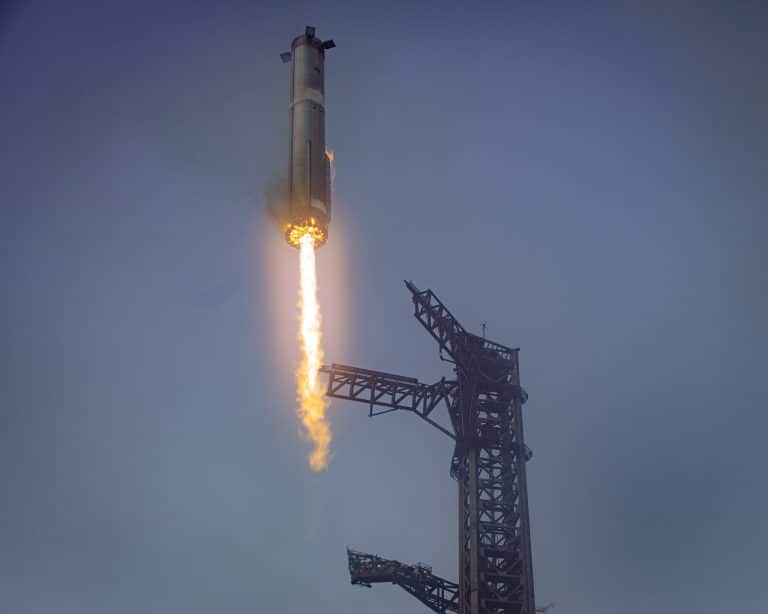
SpaceX conducted its eighth Starship test flight from Starbase on Thursday, pushing forward its mission to develop the world’s most powerful reusable rocket system. The flight showcased a third successful Super Heavy booster recovery but ended in disappointment as the Starship upper stage was lost during ascent.
SpaceX’s Starship program is once again poised to make headlines with Starship Flight 8. Following a thorough investigation into the upper stage loss of Flight 7, SpaceX is ready to resume its ambitious testing schedule with a new target date set for March 6. This mission is not just another test; it is a part of a larger journey that could redefine our understanding of space travel and satellite deployment.
SpaceX has been a beacon of innovation in the aerospace sector, constantly pushing the boundaries of what is possible in space travel. As the company prepares for its eighth Starship test flight, it reflects on the setbacks it encountered in the previous launch. This blog post will delve into the recent loss of the Starship 7 upper stage, analyze the causes behind it, and explore SpaceX’s ambitious plans moving forward.