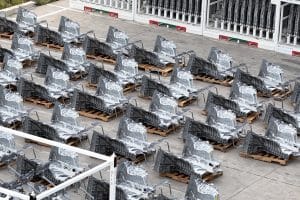
Tesla Lays Groundwork for Cybercab with New Castings in Production
As Tesla’s Gigafactory in Texas sets the stage for launching the innovative Cybercab, we dive into what makes this project a game-changer in automotive technology.
Tesla, the industry-defining electric vehicle company, is on the brink of revolutionizing urban transport with the launch of its pioneering Robotaxi ride-hailing platform in Austin, Texas. Set to utilize the innovative Cybercab and other Tesla vehicles for driverless rides, the company’s endeavor marks a significant milestone in autonomous vehicle technology. However, the ambitious timeline has elicited a mixed response from the community.
In a recent development that has stirred discussions in the automotive and tech industries, Elon Musk made a strategic decision that could well determine Tesla’s future trajectory. The choice to prioritize the development of Robotaxis over a more affordable, $25,000 Tesla model has raised eyebrows and provoked widespread debate about the company’s direction and financial sustainability.
Tesla, a pioneer in the electric vehicle (EV) industry, is once again at the crossroads of innovation and international trade regulations. With recent reports revealing the suspension of parts orders from China due to soaring tariffs, the company is facing hurdles that test its flexibility and foresight.
In the constantly evolving world of technology and innovation, few figures stand out as much as Elon Musk, whose vision for Tesla extends beyond electric vehicles to a future dominated by autonomous driving. For years, Musk has promised the arrival of Full Self-Driving (FSD) capabilities, occasionally veering on the side of over-enthusiasm. However, the bold new timeline marking 2025 as the target year for achieving true self-driving prowess signals a renewed commitment from Tesla. In this blog post, we delve deep into the factors contributing to this ambitious goal and what it means for the industry, Tesla, and consumers.
As Tesla continues its ambitious journey towards autonomous vehicles, it’s crucial to assess where the company stands today, the challenges it faces, and what the future might hold for its Full Self-Driving (FSD) technology. The path towards a self-driving future is marred by both technological hurdles and societal concerns, not to mention the financial and political obstacles Tesla must navigate.
In the evolving landscape of autonomous driving, two giants stand at the forefront: Waymo and Tesla. While both companies aim to revolutionize how we perceive transportation, they follow divergent paths and philosophies in their approach to robotaxi services. Let’s delve into the current standings, future prospects, and technological insights of these industry leaders.
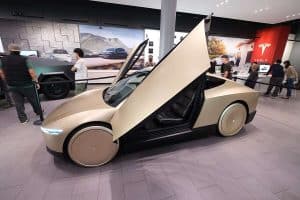
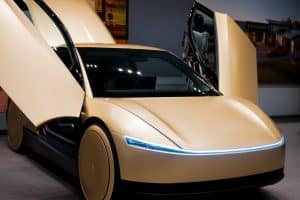
The automotive world is abuzz with Tesla’s ambitious plans for its upcoming Cybercab line. As the company pushes the boundaries of production capabilities, it’s setting the stage for a seismic shift in automotive manufacturing. This blog post delves into Tesla’s strategies, its futuristic “unboxed” manufacturing process, and the innovative spirit driving these changes.
The road to autonomous ride-hailing is being paved as Tesla marks a significant milestone. With its first permit from the California Public Utilities Commission (CPUC), Tesla is laying the groundwork to revolutionize the transportation industry with its highly-anticipated robotaxi service. This blog post explores Tesla’s strategic steps towards fully autonomous ride-hailing, the challenges it faces, and what the future holds for this innovative venture.
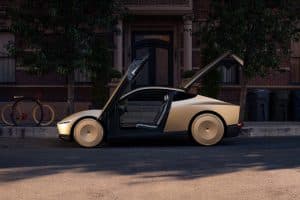
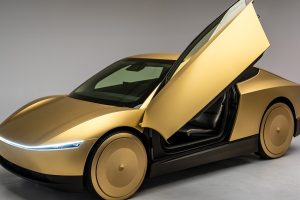
Tesla continues to push the boundaries of electric vehicle innovation with its latest reveal, the Cybercab. This new entrant into the world of EVs promises a blend of groundbreaking efficiency, futuristic design, and part of a sustainable future that Tesla envisions. In this blog post, we delve into the key details and implications of the Cybercab as shared by Tesla’s top executives, Lars Moravy and Franz von Holzhausen, in a recent interview.