Tag: robotaxi

Tesla Robotaxi Fleet Masses in Las Vegas Suburbs: Is Sin City’s Driverless Revolution About to Ignite?

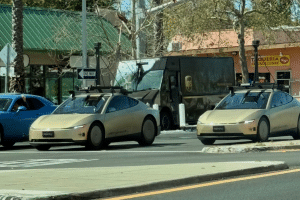
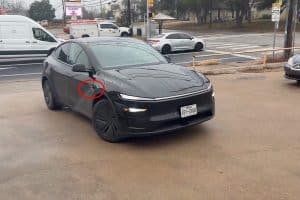
Imagine stumbling upon a massive parking lot teeming with sleek Tesla Model Ys, each one outfitted with cutting-edge hardware screaming “Robotaxi.” That’s exactly what happened in Henderson, Nevada—just north of the glittering Las Vegas Strip—when local enthusiast TheZacher captured photos and video of what appears to be Tesla’s next wave of autonomous vehicles. This isn’t just a random fleet; these cars feature unique rear camera washers, a hallmark of Tesla’s Robotaxi-specific modifications designed for unsupervised, 24/7 operation in dusty, real-world conditions. As of March 18, 2026, with the lot already half-emptied just days after the initial spotting, signs point to an imminent launch in Las Vegas—one of Tesla’s top expansion targets.
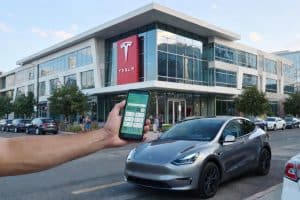
Tesla Robotaxi App Set to Conquer Android: Decompile Secrets, Feature Breakdown, and the Path to Mass Adoption

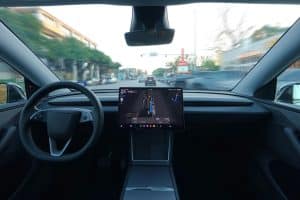
In the ever-evolving world of autonomous mobility, Tesla is once again making headlines with whispers of an imminent Android launch for its Robotaxi app. Fresh from decompiling software version 26.2.0, eagle-eyed developers and Tesla enthusiasts have uncovered code strings hinting at full Android compatibility—including clever adaptations of iOS Live Activities. This isn’t just a minor update; it’s a pivotal step toward democratizing access to Tesla’s ride-hailing revolution, potentially unlocking millions more users ahead of fully driverless operations. As a Tesla blogger who’s tracked this saga since the Cybercab unveiling, I’ll dive deep into the deets, analyze the strategy, and share what riders should do next.

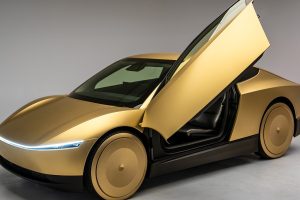
Tesla Cybercab: Braille Breakthrough Ushers in Truly Inclusive Autonomous Rides as April Production Looms

Imagine stepping into a car that doesn’t just drive itself but actively empowers those who’ve long been sidelined by traditional transportation. Tesla’s Cybercab isn’t just another robotaxi—it’s a beacon of inclusivity in the autonomous revolution. With production ramping up for an April 2026 start and test units now spotted across the U.S., recent revelations about its Braille features are stealing the spotlight. As a Tesla enthusiast and EV blogger who’s tracked the company’s self-driving saga for years, I see this as more than a detail—it’s Tesla doubling down on making mobility universal, especially for the visually impaired and disabled community.

Tesla Cybercab Lights Up the US Department of Transportation: A Glimpse into Tomorrow’s Autonomous Revolution

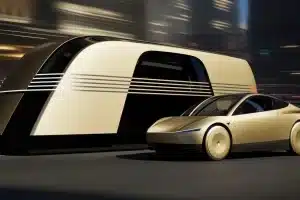
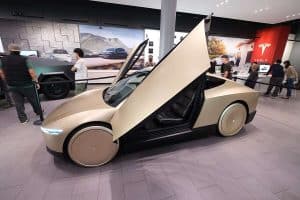
As a seasoned EV enthusiast and autonomous vehicle analyst with over a decade tracking Tesla’s innovations, I couldn’t contain my excitement when news broke of the Cybercab making a high-profile appearance at the US Department of Transportation (DOT) in Washington, D.C. This isn’t just another prototype showcase—it’s a bold statement from Tesla amid growing regulatory scrutiny and production ramps. Photos and videos flooding X (formerly Twitter) from the National Autonomous Vehicle Safety Forum reveal a vehicle that’s compact on the outside but cavernous within, poised to redefine urban mobility. With production kicking off at Giga Texas and the first units rolling out as early as February 2026, the Cybercab is no longer vaporware—it’s here, ready to challenge taxis, rideshares, and even personal car ownership.

Tesla Cybercab Production Hits High Gear: 30+ Units Spotted at Giga Texas, Road Testing Explodes Across the US – The Robotaxi Revolution Accelerates

As a veteran Tesla watcher and EV industry analyst with over a decade tracking Elon Musk’s audacious ventures, I’ve seen hype cycles come and go. But the current frenzy around the Tesla Cybercab – the steering-wheel-less, pedal-free robotaxi poised to redefine urban mobility – feels different. It’s grounded in hard evidence: drone footage, eyewitness accounts, and Elon’s own candid X posts. On March 11, 2026, sightings are surging at Giga Texas, public road tests are multiplying in Silicon Valley and beyond, and production lines are ramping. This isn’t vaporware; it’s the prelude to millions of autonomous vehicles flooding streets. In this deep dive, we’ll unpack the latest data, analyze what it signals for Tesla’s timeline, and explore the implications for investors, cities, and your daily commute.

Tesla’s High-Stakes Trademark War Over ‘Cybercab’: Battling a Serial Squatter Just as Production Revs Up

In the fast lane of electric vehicle innovation, Tesla is hitting a legal speed bump. On February 18, 2026, the company fired off a massive 167-page opposition filing at the U.S. Patent and Trademark Office (USPTO) against French beverage wholesaler UNIBEV’s claim to the “Cybercab” trademark. This isn’t just any dispute—it’s a classic case of alleged trademark squatting, complete with accusations of fraud, bad faith, and a pattern of predatory filings targeting Tesla’s branding. With Tesla’s first Cybercab rolling off the Gigafactory Texas line on February 17, 2026, and volume production slated for April, the timing couldn’t be more critical.

Tesla’s Robotaxi Revolution Accelerates: 7 New Cities Set for 1H 2026 Launch – Game Over for Traditional Ride-Hailing?

As a long-time Tesla watcher and autonomous driving enthusiast, I’ve been tracking the evolution of Tesla’s Full Self-Driving (FSD) tech since its early days. Yesterday’s Q4 2025 Earnings Call and Shareholder Deck dropped a bombshell that’s set to redefine urban mobility in the US. Tesla isn’t just talking about Robotaxi anymore—they’re executing with an aggressive timeline, confirming launches in seven major new cities by the first half of 2026. This isn’t hype; it’s backed by real operational data, including nearly 700,000 paid Robotaxi miles since the June 2025 launch. Buckle up, because this post dives deep into the details, implications, and my expert analysis on why Tesla is poised to disrupt Uber and Lyft like never before.

Tesla Robotaxi’s Secret Weapon: Camera Washers That Could Revolutionize Autonomous Driving – And Why Model Y Owners Are Jealous

As Tesla’s ambitious Robotaxi fleet hits the streets of Austin with fully driverless rides, one understated yet game-changing hardware upgrade has stolen the spotlight: dedicated camera washers on side repeater and rear bumper cameras. This isn’t just a minor tweak—it’s a highly requested feature that’s been absent from consumer Model Ys for years, addressing a critical pain point in Tesla’s vision-only autonomous driving strategy. In this deep dive, we’ll explore what these washers mean for Robotaxi operations, how they stack up against standard vehicles, and what it spells for the future of Tesla ownership.

Tesla Cybercab: Elon Musk Confirms $0.20 Per Mile Operating Cost – The Future of Affordable Robotaxis is Here

As a seasoned Tesla enthusiast and EV industry analyst with over a decade tracking autonomous driving tech, I’ve seen bold promises come and go. But Elon Musk’s recent endorsement of ARK Invest’s projections for the Tesla Cybercab has me genuinely excited. On January 22, 2026, Musk tweeted “Probably true” in response to ARK’s report claiming the Cybercab could operate at a jaw-dropping $0.20 per mile by 2030 – fully loaded with energy, maintenance, cleaning, depreciation, and insurance. This isn’t hype; it’s a validated path to making robotaxis cheaper than owning a car, potentially disrupting Uber, Lyft, and even public transit. In this deep dive, we’ll unpack the numbers, engineering feats, production hurdles, and what it means for your wallet and the mobility landscape.

Tesla Cybercab’s Chicago Sighting: Rear Camera Washer Confirmed – The Unsung Hero of Robotaxi Reliability

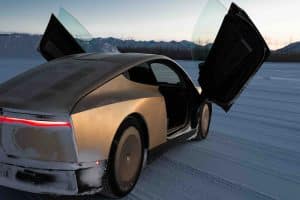
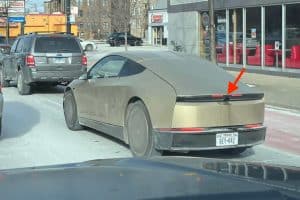
In the freezing streets of Chicago, a gritty Tesla Cybercab prototype has turned heads – not just for its futuristic design, but for a subtle detail that could revolutionize autonomous driving in harsh weather. Spotted on January 18, 2026, and quickly amplified by Tesla insider Sawyer Merritt, the vehicle’s rear camera stood out pristine amid the road salt and grime, with visible water traces hinting at an onboard cleaning system. As a Tesla enthusiast and EV analyst who’s tracked the company’s autonomy journey for years, I see this as more than a prototype perk – it’s a critical step toward making Full Self-Driving (FSD) viable year-round, especially in regions where snow and mud have long plagued camera-dependent systems.

Load more