Tag: optimus

Tesla’s Optimus Awakening: 100+ Job Openings Herald the Shift to Mass Production in 2026

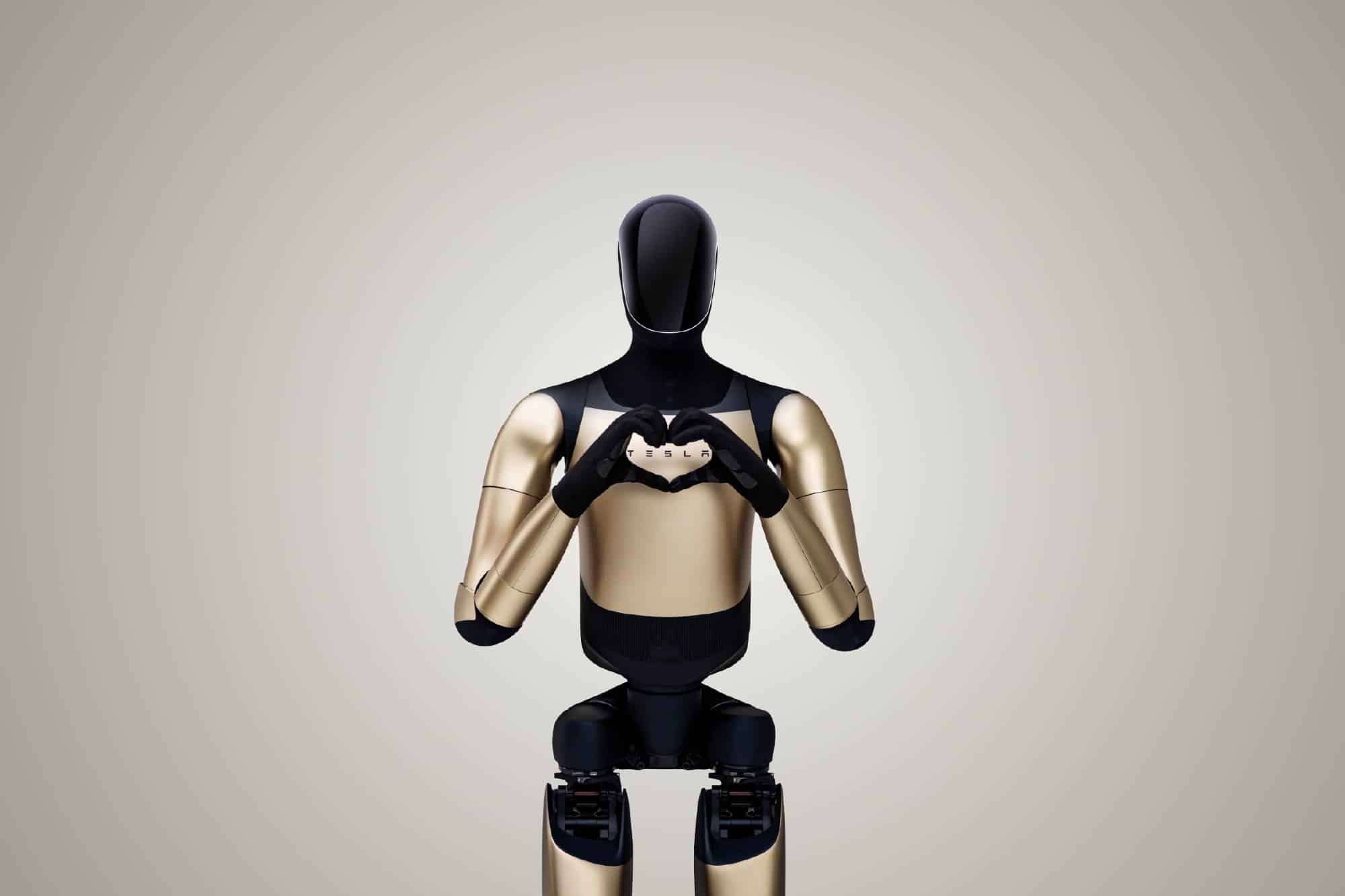
As a seasoned tech blogger specializing in Tesla and humanoid robotics, I’ve been tracking Optimus since its debut at AI Day 2021. What started as a provocative demo has evolved into Tesla’s most ambitious moonshot yet. Today, March 25, 2026, fresh developments confirm the robot is no longer science fiction—it’s entering mass manufacturing. Tesla has posted over 100 job openings across U.S. facilities, from AI engineers to manufacturing specialists, signaling a pivot from prototypes to production lines capable of churning out 1 million units annually. Elon Musk’s January 28 earnings call laid it bare: Fremont lines once dedicated to Model S/X are being repurposed, while Giga Texas gears up for even bigger scales. With Optimus Gen 3 prototypes hitting early 2026 and full production by year’s end, this could redefine labor, automation, and Tesla’s $10 trillion revenue dream.
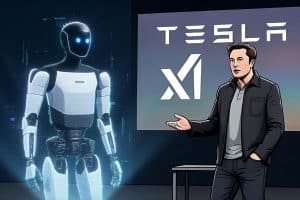

Tesla and xAI Unveil Digital Optimus: The AI Agent Set to Revolutionize Office Work and Emulate Entire Companies

In a groundbreaking announcement that’s sending shockwaves through the tech world, Elon Musk has revealed Digital Optimus—also cheekily nicknamed “Macrohard”—a joint project between Tesla and xAI designed to automate complex office workflows by mimicking human computer interactions in real-time. This isn’t just another AI chatbot; it’s a sophisticated software agent that watches your screen, processes keyboard and mouse inputs, and executes tasks autonomously. As someone who’s been tracking Tesla’s AI ambitions and xAI’s rapid rise for years, I see this as the first tangible fruit of Tesla’s massive $2 billion investment in xAI, bridging hardware prowess with cutting-edge reasoning. Buckle up—this could redefine productivity, enterprise AI, and even how we think about “white-collar” jobs.

Tesla’s Optimus Takes Center Stage at AWE 2026: Mass Production by Year’s End, Human-Like Hands, and Elon Musk’s Von Neumann Vision

As the curtains rise on AWE 2026 in Shanghai today, March 12, Tesla has once again redefined the boundaries of innovation by showcasing its third-generation Optimus humanoid robot alongside the rugged Cybertruck. This isn’t just another tech demo—it’s a bold statement of intent. On-site reports from expo staff suggest mass production of Optimus could kick off by the end of 2026, aligning with Tesla’s aggressive roadmap to flood factories and homes with these versatile bots. With whispers of million-unit production lines at Fremont and a staggering 10 million annually at Giga Texas, plus tantalizing teases of hyper-dexterous robotic hands from Tesla China, the stage is set for a seismic shift in robotics. And let’s not forget Elon Musk’s sci-fi bombshell: Optimus as the world’s first Von Neumann machine, capable of self-replication to seed civilizations on distant planets.

Elon Musk’s Digital Optimus Revolution: The AI Agent Set to Emulate Entire Companies and Reshape Enterprise Automation

In a bombshell announcement on March 11, 2026, Elon Musk revealed “Digital Optimus” – also dubbed “Macrohard” in a cheeky nod to Microsoft – as the first major fruit of Tesla’s $2 billion investment in xAI. This joint project isn’t just another AI chatbot or robot; it’s a sophisticated system designed to watch your computer screen, mimic human actions, and potentially run entire companies autonomously. As a tech blogger who’s followed Musk’s ventures from Tesla’s Autopilot to Optimus robots, I see this as a game-changer that could accelerate the shift from human desk workers to AI-driven operations. But with great power comes controversy – from shareholder lawsuits to fears of mass job losses. Let’s dive deep into what Digital Optimus is, how it works, its implications, and why no other company can match it (yet).

Tesla’s Optimus V3 Hands: A Glimpse into the Future of Human-Like Robotics and Self-Replicating Machines

In a move that’s sent ripples through the tech and robotics communities, Tesla China has just dropped a bombshell teaser on Weibo, showcasing what appears to be the next-generation hands for the Optimus V3 humanoid robot. These hands aren’t just functional—they’re strikingly human-like, with proportions, finger structures, and subtle details that blur the line between machine and biology. Shared by Tesla’s official AI account and quickly reposted on X by enthusiasts like Ming (@tslaming), who called them “almost identical to human hands” and “honestly impressive,” this reveal has ignited feverish speculation. As a robotics blogger with over a decade tracking humanoid advancements, I can tell you: this isn’t hype. It’s a pivotal moment signaling Tesla’s leap toward robots that could redefine labor, exploration, and even civilization-building.

Elon Musk’s Audacious Bet: Tesla Optimus as the Dawn of AGI-Powered Von Neumann Probes and Multi-Planetary Civilization

In the rapidly evolving landscape of artificial intelligence and robotics, few visionaries command as much attention as Elon Musk. Recent announcements from Tesla, xAI, and SpaceX have ignited a firestorm of speculation about the convergence of humanoid robots, artificial general intelligence (AGI), and interstellar expansion. At the heart of this revolution is Tesla’s Optimus robot—not just a factory worker or household helper, but potentially the world’s first self-replicating “Von Neumann probe” capable of bootstrapping entire civilizations on alien worlds. Drawing from Musk’s latest X posts, production shifts at Tesla’s Fremont factory, and blockbuster mergers, this post dives deep into the implications, timelines, and transformative potential of these developments.

Elon Musk’s Audacious Claim: Tesla Optimus as the First Von Neumann Machine – Paving the Way for Interplanetary Civilization

In a recent post on X that sent ripples through the tech and space communities, Elon Musk declared: “Yes. Optimus will be the first Von Neumann machine, capable of building civilization by itself on any viable planet.” This isn’t hyperbole from a sci-fi novel—it’s Musk doubling down on Tesla’s humanoid robot, Optimus, as not just a factory worker, but a self-replicating pioneer that could terraform other worlds. As a blogger who’s followed Musk’s ventures from SpaceX’s early Falcon 1 failures to Starship’s orbital triumphs, this vision blends Tesla’s AI prowess with SpaceX’s rocketry in ways that could redefine humanity’s future. But is it feasible, or just another Musk moonshot? Let’s dive deep into the tech, timelines, challenges, and transformative potential.

Tesla’s Optimus V4 Mega-Factory at Giga Texas: 10 Million Robots a Year and a GDP-Shaking Future

As a longtime Tesla enthusiast and robotics analyst who’s been tracking Elon Musk’s audacious bets since the early days of the Roadster, I’m thrilled to dive into the latest bombshell from Tesla’s humanoid robot program. Just hours ago, Musk confirmed on X that Optimus V4 production will ramp massively at Giga Texas, dwarfing the pilot line in Fremont. This isn’t hype—it’s a strategic pivot that could redefine manufacturing, labor, and even the U.S. economy. With Tesla’s Q4 2025 earnings call fresh in our minds and construction underway at Giga Texas, let’s unpack the details, timelines, quotes, and my take on why Optimus is Tesla’s ultimate moonshot.

Tesla Optimus V3 Draws Notable Early Feedback From Independent Observers

In the ever-evolving world of technology and innovation, Tesla stands out as a pioneer, constantly pushing the boundaries of what is possible. The company’s latest creation, Optimus V3, has already made waves even before its official unveiling. Angel investor and entrepreneur Jason Calacanis recently shared exciting insights about Optimus V3, predicting it will set a new standard in robotics. This blog explores these revelations, the anticipated features of the robot, and its potential transformational impact on technology.

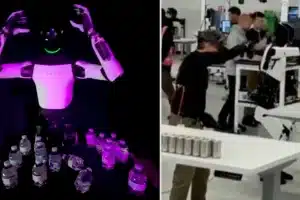
Tesla’s Optimus Takes a Strange Spill in New Demo

The Tesla Optimus robot took an unexpected tumble during a recent demonstration in Miami, raising eyebrows about its proclaimed autonomy and reliability. While Tesla and its CEO, Elon Musk, have a storied history of integrating cutting-edge technology with ambitious promises, the robot’s fall has sparked discussions on several fronts—ranging from technological feasibility to ethical considerations in humanoid robotics.

Load more