Tesla’s Robotaxi Revolution: Reality or Just a Mirage?
Explore the challenges and skepticism surrounding Tesla’s robotaxi plans, with insights from former Waymo CEO John Krafcik and a closer look at industry standards for autonomous vehicles.
Tesla, a pioneer in electric vehicles and autonomous driving technology, is once again setting its sights on transforming the transportation landscape. With its recent application for an autonomous ride-hailing license in California, Tesla is taking a significant step forward to establish itself as a dominant force in the autonomous vehicle industry. This blog post delves into Tesla’s strategic move, the implications for the ride-hailing market, and what we can expect from this ambitious venture.
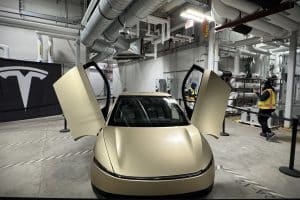
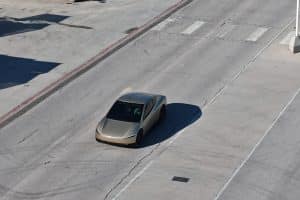
Tesla has never been one to shy away from pushing the boundaries of innovation, and the recent testing of the Tesla Cybercab at Giga Texas is yet another testament to their forward-thinking approach. With multiple Cybercabs observed navigating the test grounds—complete with steering wheels—this initiative has ignited discussions and speculation about what the future holds for Tesla, its consumers, and the broader United States market.
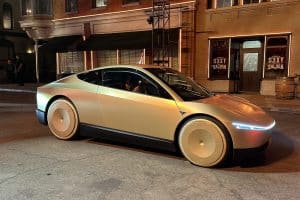
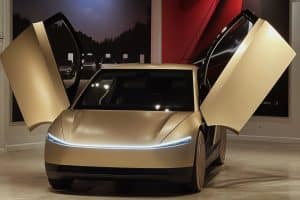
Tesla’s latest innovation, the Cybercab, is poised to redefine urban and long-distance travel. This blog post delves into its initial city-centric role, ambitious long-term goals, cutting-edge wireless charging technology, expert insights from Tesla’s VP of Vehicle Engineering, Lars Moravy, and the strategic launch plan starting in Austin, Texas.
In a bold strategic shift, Tesla is doubling down on its innovative approach by choosing to deploy its robotaxi services in-house, a decision that positions the company at the forefront of the burgeoning autonomous ride-hailing industry. With competition heating up from technology giants like Alphabet’s Waymo and other potential collaborators such as Uber, Tesla’s decision marks a definitive step towards self-reliance and perhaps, market disruption.
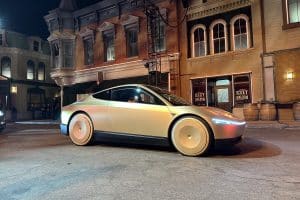
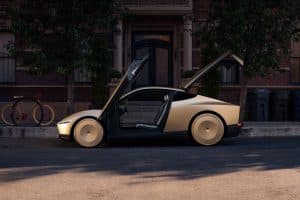
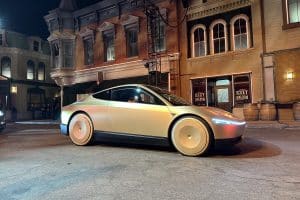
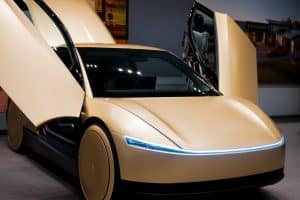
The automobile industry is on the brink of yet another revolution, spearheaded by none other than Tesla with its upcoming Cybercab. As Tesla prepares for mass production at their Giga Texas facility, the Cybercab stands as a beacon of innovation, combining cutting-edge technology and futuristic design. Set to hit the production lines in 2026, this remarkable vehicle is shaping up to redefine urban transportation. Let’s delve into what makes the Tesla Cybercab a marvel in the making.
Tesla, a pioneer in electric vehicles and autonomous technology, has recently garnered an increased price target from Wedbush Securities, sparking discussions on its future trajectory. Renowned analyst Dan Ives projects a price target of $550 per share for Tesla, with an even more optimistic bull case of $650 per share. This article explores the factors driving this positive outlook and what the future holds for Tesla under the Trump administration.
Tesla, a pioneer in the modern electric vehicle market, has recently found itself under the spotlight once again. This time, the attention comes from Morgan Stanley’s bullish report, which not only raised Tesla’s stock target but also projected a staggering future worth for the company. Let’s delve into the specifics of this optimistic scenario and what it might mean for Tesla and the broader automotive industry.
As the world looks towards a future graced with technological marvels, Tesla
The world of transportation is witnessing an exciting evolution, as Tesla introduces