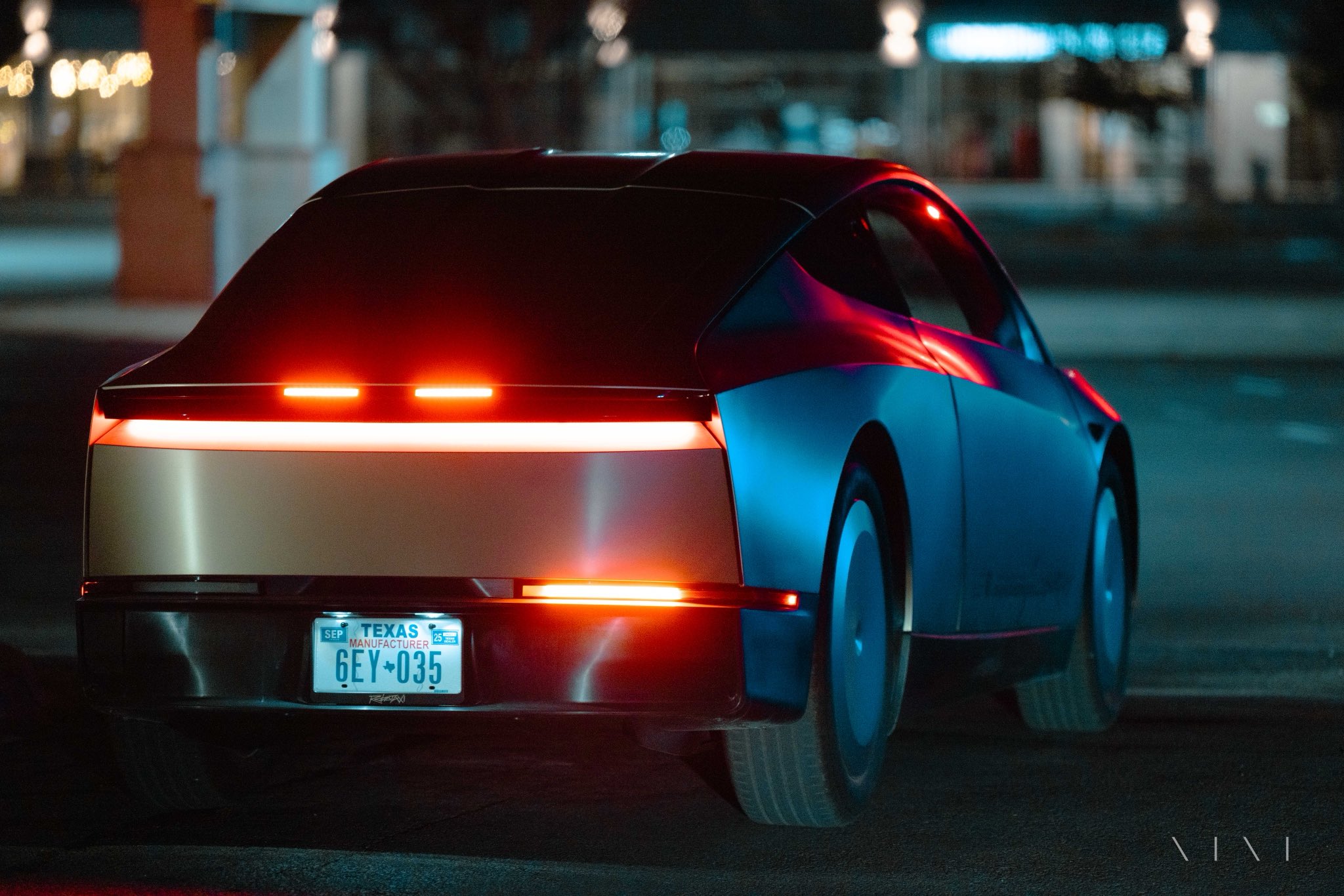

Tag: cybercab

Tesla’s Cybercab Hits Warp Speed: Drone Footage Reveals 25 Units at Giga Texas as Production Surges Ahead of Schedule

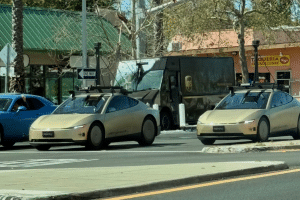
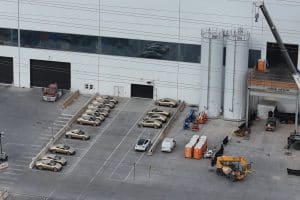
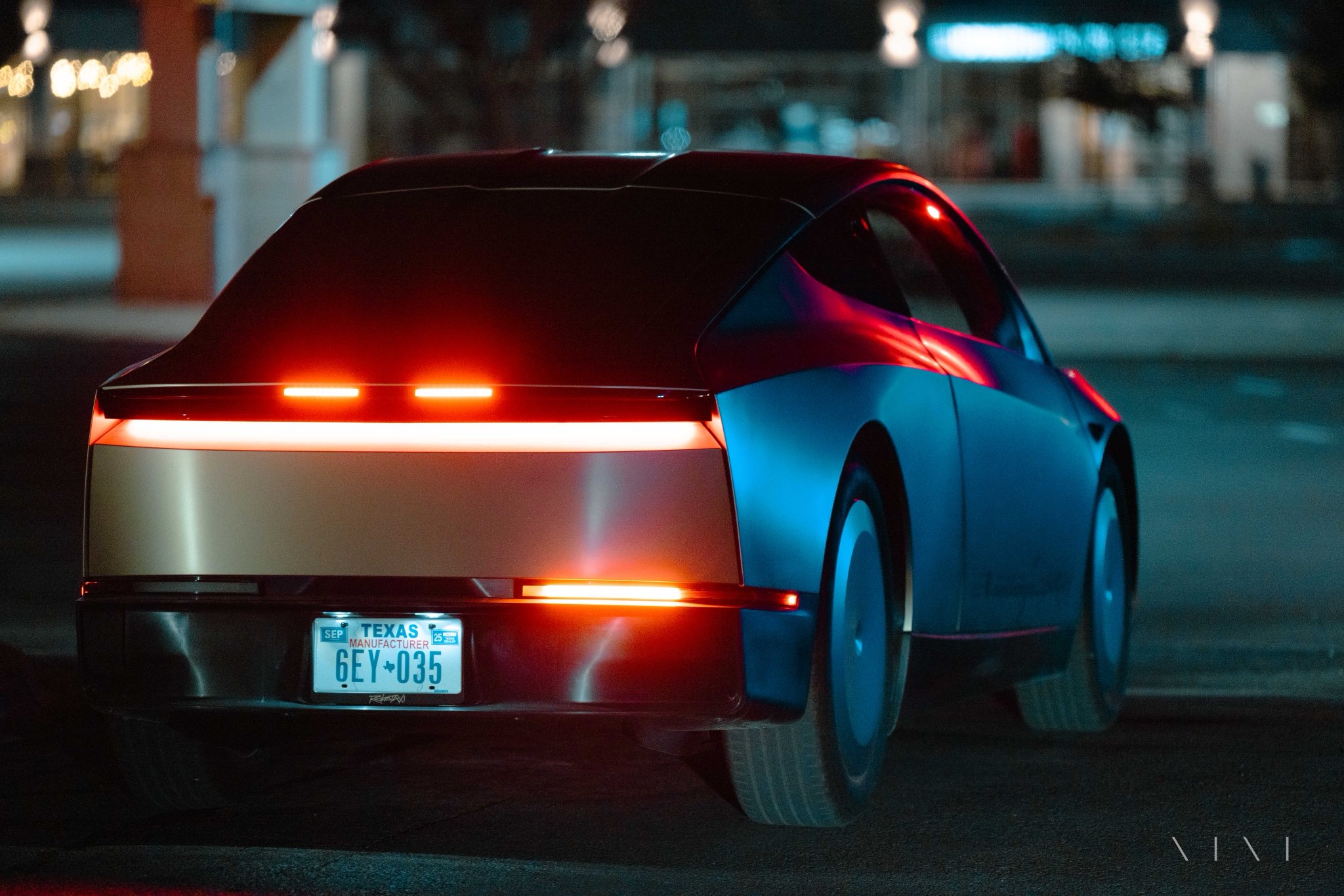
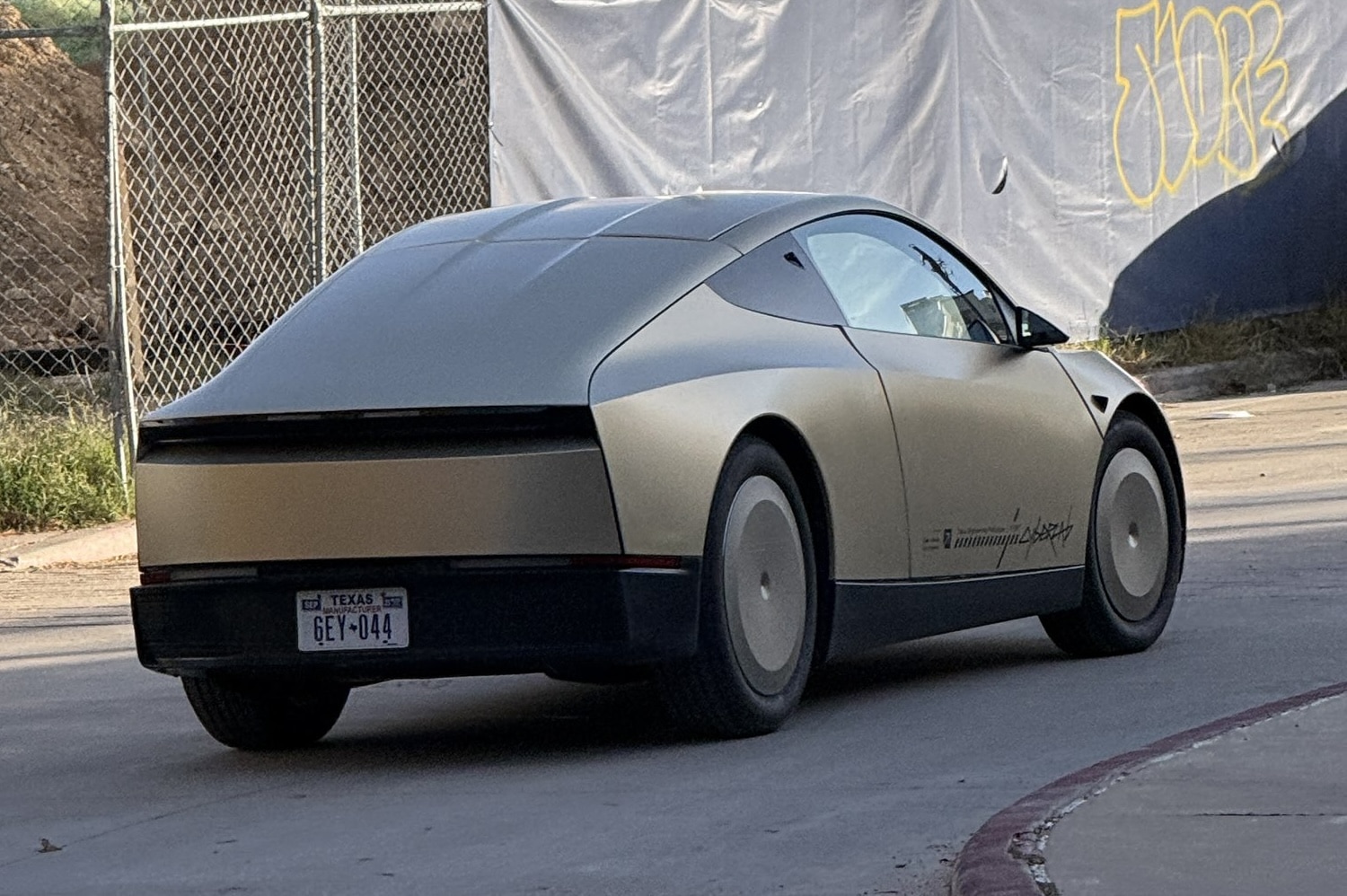
Tesla is no stranger to defying expectations, and the latest developments at Gigafactory Texas prove it once again. Just weeks after the first production Cybercab rolled off the assembly line on February 17, 2026—beating Elon Musk’s own April timeline by a wide margin—drone enthusiast Joe Tegtmeyer has captured what could be the largest public sighting of these steering-wheel-free robotaxis yet: 25 Cybercabs scattered across the massive Giga Texas complex. This isn’t just hype; it’s a tangible sign that Tesla is shifting gears from low-volume “unboxed” test builds to higher-volume production testing, with mass production looming just 4-8 weeks away.

Elon Musk Unveils Bold Vision for Giga Berlin: Cybercab and Optimus Production Amid Union Storm

In a pre-recorded video interview with Giga Berlin plant manager André Thierig, Tesla CEO Elon Musk has outlined an ambitious roadmap for the German factory, positioning it as a future powerhouse for next-generation products like the Cybercab robotaxi and Optimus humanoid robots. This comes at a pivotal moment, with works council elections looming and union tensions threatening expansion plans. As a Tesla enthusiast and EV industry analyst with over a decade tracking the company’s global manufacturing strategy, I see this as a make-or-break chapter for Tesla’s European ambitions. Let’s dive deep into the details, implications, and what it means for investors, workers, and the broader shift toward autonomous mobility.

Tesla’s High-Stakes Trademark War Over ‘Cybercab’: Battling a Serial Squatter Just as Production Revs Up

In the fast lane of electric vehicle innovation, Tesla is hitting a legal speed bump. On February 18, 2026, the company fired off a massive 167-page opposition filing at the U.S. Patent and Trademark Office (USPTO) against French beverage wholesaler UNIBEV’s claim to the “Cybercab” trademark. This isn’t just any dispute—it’s a classic case of alleged trademark squatting, complete with accusations of fraud, bad faith, and a pattern of predatory filings targeting Tesla’s branding. With Tesla’s first Cybercab rolling off the Gigafactory Texas line on February 17, 2026, and volume production slated for April, the timing couldn’t be more critical.

Tesla Cybercab Hits the Production Line: Elon Musk Locks in Sub-$30K Pricing Before 2027 – Is MKBHD Ready to Shave His Head?

In a move that’s sending shockwaves through the EV and autonomous vehicle worlds, Tesla has just rolled out its first production Cybercab from the assembly line at Gigafactory Texas. This sleek, steering-wheel-free, pedal-less two-seater robotaxi isn’t just a prototype anymore—it’s a tangible milestone toward Elon Musk’s vision of affordable, fully autonomous mobility. Announced on February 17, 2026, via Tesla’s official X post and Instagram, the image of the shiny Cybercab at the end of the line has ignited excitement, memes, and a revival of one of the most memorable tech bets in recent history.

Elon Musk Triples Down on Cybercab: Production Starts April 2026 – Realistic Expectations or Ambitious Dream?

As a veteran EV analyst and Tesla enthusiast who’s been tracking Elon Musk’s bold predictions for over a decade, I’ve seen the highs of Model 3 ramps and the frustrating lows of perpetual Roadster delays. Today, on February 16, 2026, Musk has once again staked Tesla’s future on the Cybercab robotaxi, emphatically stating that production kicks off in April – no pedals, no steering wheel, pure autonomy. This marks the third time in six months he’s doubled down on this timeline, signaling uncharacteristic consistency amid Tesla’s history of slippage. But with Cybercab poised to anchor Tesla’s robotaxi empire, is this the breakthrough we’ve waited for, or just another chapter in the “Elon Time” saga? Let’s dive deep.

Tesla’s Robotaxi Revolution: How a Two-Seater Cybercab Could Dominate Urban Mobility

In the fast-evolving world of autonomous vehicles, Tesla is positioning itself not just as a carmaker, but as a comprehensive mobility provider. During the recent Q4 and FY 2025 earnings call, executives Lars Moravy and Elon Musk laid out a bold vision for Robotaxi services that doesn’t hinge on cramming everyone into a single vehicle type. Instead, Tesla is leveraging data-driven design and a diversified fleet to cover every passenger scenario—from solo commuters to large groups. This approach, rooted in real-world usage patterns, could redefine urban transportation, making it safer, cheaper, and more efficient. As a blogger who’s followed Tesla’s autonomy journey for years, I see this as a masterstroke that sidesteps common pitfalls in the AV space.

Tesla Cybercab’s Rear Charging Port Bombshell: Bridging Wireless Dreams and Wired Realities Before April 2026 Launch

As a seasoned EV enthusiast and Tesla watcher with over a decade tracking the company’s audacious pushes into autonomy and electrification, I’ve seen my share of prototype sightings that spark endless speculation. But few have ignited as much buzz as the latest Tesla Cybercab footage captured on U.S. roads. A simple video of an employee plugging in what appears to be a production-intent Cybercab prototype at a Supercharger has the community abuzz—revealing a rear-mounted NACS charging port complete with a manual door and latch. This isn’t just a quirky detail; it’s a pragmatic nod to the real-world challenges of scaling a fully wireless robotaxi fleet. With production slated to kick off in April 2026, this sighting offers crucial insights into how Tesla plans to keep its autonomous fleet humming.

Tesla’s Cybercab Production Accelerates: Body Fit Technician Jobs Herald April 2026 Launch at Giga Texas

As a seasoned Tesla enthusiast and EV industry analyst with over a decade tracking Elon Musk’s audacious ventures, I’ve seen my share of production ramps—from the Model 3 “production hell” to Cybertruck’s triumphant scale-up. But the latest developments around the Cybercab robotaxi have me buzzing with anticipation. Tesla has quietly posted job openings for Body Fit Technicians dedicated to the Cybercab’s end-of-line assembly at Giga Texas, a clear signal that initial production is barreling toward its April 2026 target. This isn’t just hiring; it’s the prelude to Tesla’s robotaxi revolution, where autonomous two-seaters could redefine urban mobility and propel Tesla into a trillion-dollar valuation territory. Let’s dive deep into what this means, why it’s happening now, and how you can position yourself—whether as a job seeker, investor, or fan.

Tesla Cybercab: Elon Musk Confirms $0.20 Per Mile Operating Cost – The Future of Affordable Robotaxis is Here

As a seasoned Tesla enthusiast and EV industry analyst with over a decade tracking autonomous driving tech, I’ve seen bold promises come and go. But Elon Musk’s recent endorsement of ARK Invest’s projections for the Tesla Cybercab has me genuinely excited. On January 22, 2026, Musk tweeted “Probably true” in response to ARK’s report claiming the Cybercab could operate at a jaw-dropping $0.20 per mile by 2030 – fully loaded with energy, maintenance, cleaning, depreciation, and insurance. This isn’t hype; it’s a validated path to making robotaxis cheaper than owning a car, potentially disrupting Uber, Lyft, and even public transit. In this deep dive, we’ll unpack the numbers, engineering feats, production hurdles, and what it means for your wallet and the mobility landscape.

Tesla Cybercab Prototypes Spill the Beans: NACS Charging Backup and Rear Camera Washers Herald Practical Autonomy in 2026

As Tesla inches closer to revolutionizing urban mobility with its Cybercab robotaxi, recent prototype sightings are dropping major hints about the vehicle’s real-world readiness. Spotted across the U.S., including gritty Chicago streets, these autonomous two-seaters are showcasing thoughtful engineering tweaks that address key pain points for fully driverless operation. From a mysterious rear panel that could hide a NACS charging port to a long-awaited rear camera washer, Tesla appears to be prioritizing redundancy and reliability. In this deep dive, we’ll unpack these discoveries, analyze their implications, and explore how they fit into Cybercab’s aggressive 2026 production ramp-up.

Load more