Relativity Space reveals plans to rapidly upgrade 3D-printed Terran 1 rocket
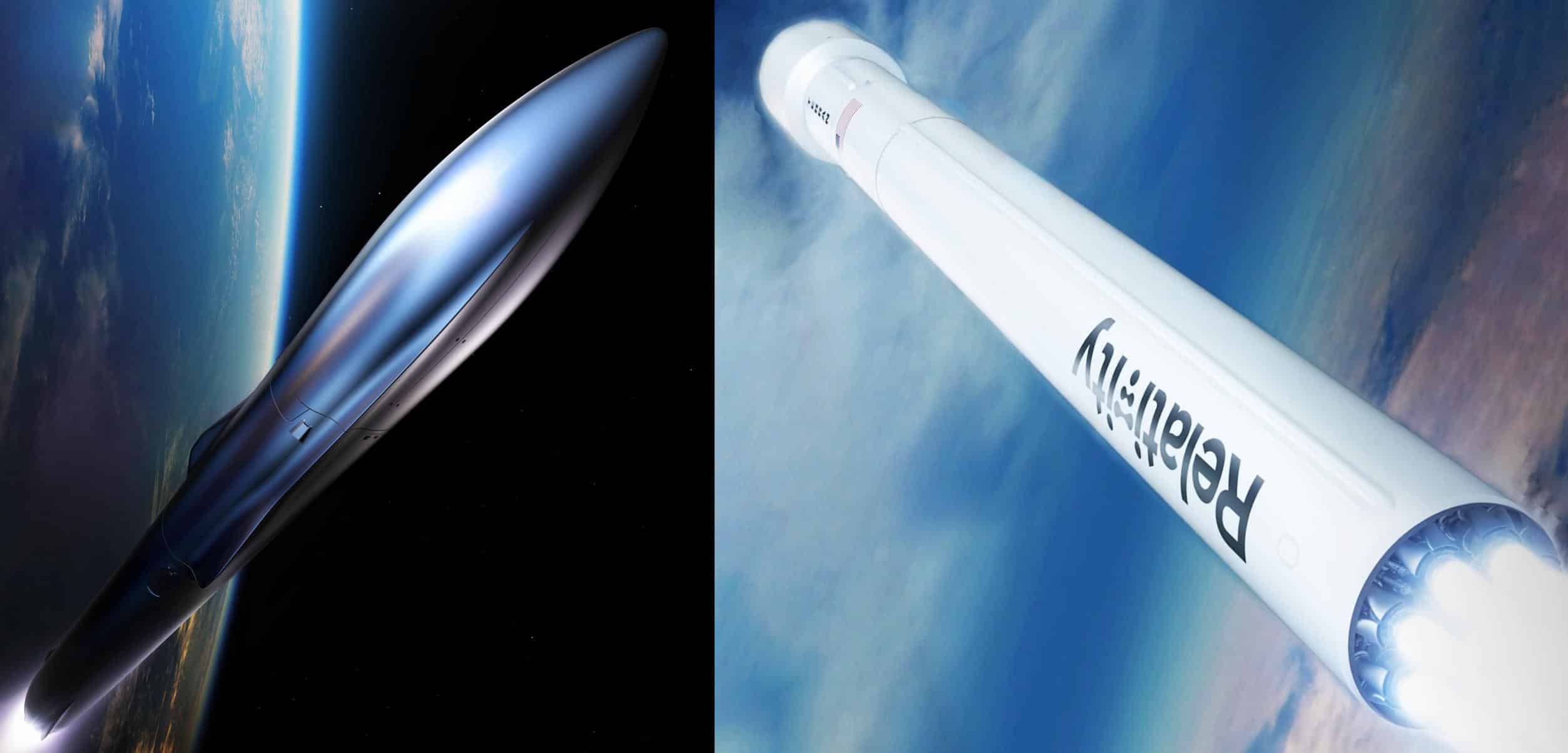
Relativity Space has announced that it will only launch the first version of its small Terran 1 rocket a handful of times before upgrading the vehicle in ways that will aid work on a much larger, fully reusable rocket.
Relativity co-founder and CEO Tim Ellis revealed the news in a recent interview, explaining that while the original Terran 1 rocket is still an integral part of the company’s vision and success, it will mainly serve as a bridge to the larger and more capable Terran R – a rare rocket with the potential to compete head-to-head with SpaceX’s Falcon 9.
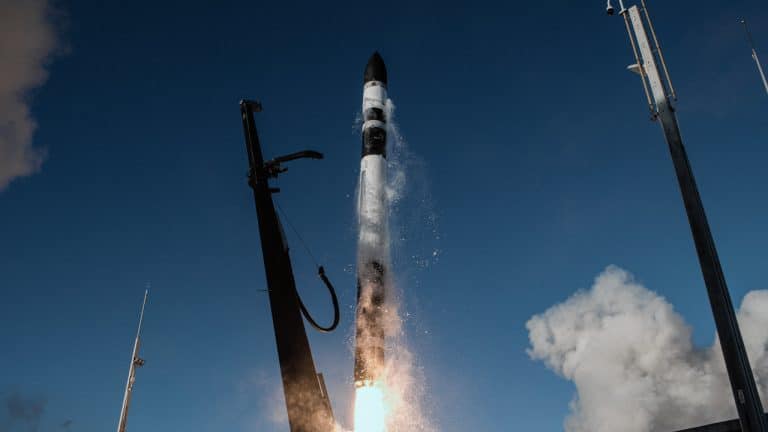
“We’ve always envisioned Terran 1 being a development platform,” stated Ellis in an interview with Ars Technica. The Terran 1 rocket, which is thrust into orbit using nine proprietary Aeon-1 engines is designed to carry payloads into Low Earth Orbit (LEO). The first launch of Terran 1 is anticipated to take place by the end of 2022, with Ellis stating that Relativity is “definitely launching this year.” Terran 1’s first launch won’t carry payloads, indicating its experimental nature, but it will be serving as the startup’s first orbital launch attempt.
Assuming the rocket’s debut is mostly successful, Terran 1’s second mission will carry a “Venture Class Launch Services” small satellite payload for NASA. The third and final mission for the first version of Terran 1 will also carry payloads, though Relativity has yet to reveal its customer(s).
Once completed, Ellis says Relativity will shift its focus away from the Aeon-1 engine setup on Terran 1’s booster. Instead, they will remove the nine Aeon-1 engines from the vehicle and replace them with a single 135-ton-thrust (~300,000 lbf) Aeon-R engine – seven of which will eventually power Terran R’s reusable booster.
When asked why the startup didn’t simply start with the Aeon-R engine, Ellis noted that developing a booster with nine smaller Aeon-1 engines was “definitely not the optimum choice in hindsight to get to orbit as simply and quickly as possible for the Terran 1 program.” He added, “But it’s been part of our plans to do a much larger reusable rocket for a long time. So we chose to do liquid oxygen and liquid methane engines, as well as the nine-engine configuration on Terran 1 so that we could learn as a company how to do something that complex early on before we had to go build this 20,000-kilogram payload-to-orbit vehicle.”
There are many benefits that come from using the single Aeon-R engine on Terran 1, including reduced cost, processes, and more capable rockets. By scaling down the number of engines from nine Aeon-1s to one Aeon-Rs, they are also scaling down the number of turbopumps, which will reduce labor and cost. The Aeon-R engine, seven of which will power the Terran R rocket, will also produce nearly ~300,000 pounds of thrust. This will provide the company with more capable small launch vehicles.
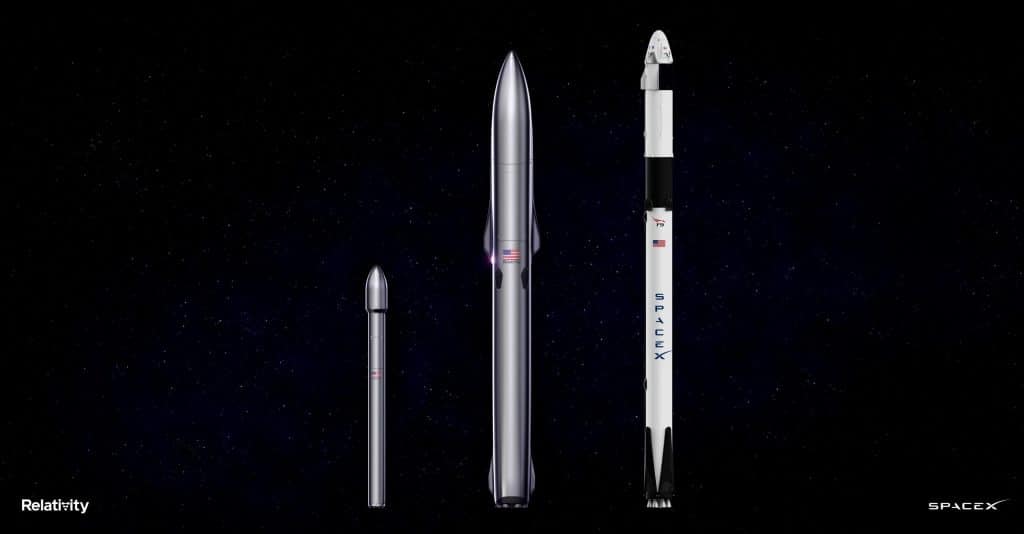
Ultimately, Relativity’s goal is to launch Terran R, a much larger, more powerful, and (in theory) fully-reusable rocket. Ellis stated that both the first and second stages of Terran R will be reusable, potentially allowing the rocket to directly compete with Falcon 9 – and maybe even the company’s fully-reusable Starship. SpaceX’s workhorse rocket has successfully launched 142 times and the company appears to be more confident in it than ever before. In 2022 alone, SpaceX hopes to launch an average of one Falcon rocket per week.
Despite the fact that SpaceX successfully landed its first Falcon booster in 2015 and reused a booster on a commercial launch in 2017, traditional competitors like Arianespace and ULA have done little to respond and continue to develop new rockets – Vulcan Centaur and Ariane 6 – that are fully expendable, substantially more expensive than SpaceX’s offerings, and still without a clear path to reusability. Alongside Blue Origin’s New Glenn vehicle and Rocket Lab’s Neutron, Relativity’s Terran R rocket may actually be able to compete with Falcon 9.
Ellis further revealed that Terran R already has at least one signed customer, with many others expressing interest behind the scenes. Though the company’s official timeline is incredibly ambitious, Relativity says Terran R could launch as early as 2024, giving the company less than three years to develop the giant rocket from scratch.
It is still unclear how either stage of Terran R will be recovered, nor how the rocket will integrate into the already existing launch facilities being built for Terran 1 at the Cape Canaveral Space Force Station’s (CCSFS) LC-16 pad. Nonetheless, Ellis and the entire Relativity team seem determined to deliver on their promises. Ellis didn’t shy away from bold and undeniable claims, either, stating that “we are definitely launching this year.” “I have no doubt about that…at this point, barring an act of nature or something going seriously wrong in stage testing.”