
Tesla’s Global Charge: EVs, Bots & the Battle for Public Perception
In this packed episode, we break down the latest developments from Tesla,

In this packed episode, we break down the latest developments from Tesla,
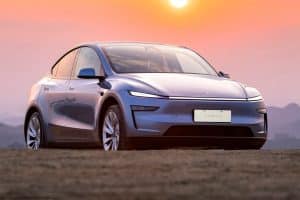
The world of automobiles is ever-evolving, with electric vehicles becoming the forefront of innovation and consumer preference. In a recent survey conducted by HonestJohn.co.uk, Tesla has emerged as the best-rated car brand in the UK for 2025, outshining competitors with its impressive satisfaction index and reliability ratings. This blog post delves into the details of this survey and what it means for the electric vehicle industry, Tesla’s critics, and the future of car manufacturing.
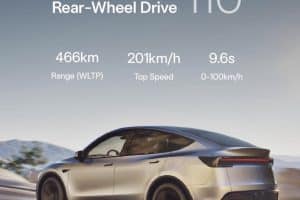
Tesla has long been driven by innovation and adaptability, and its latest move in Singapore with the Model Y RWD 110 is no exception. By customizing its offerings to align with local policies and consumer needs, Tesla is making waves in the automotive industry once again. This strategic localization not only helps Tesla capture market share in Singapore but also showcases a potential path for expansion in other regions.
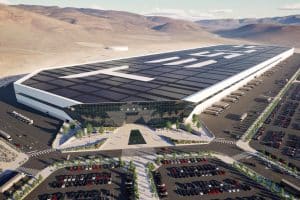
The recent announcement of new U.S. tariffs on foreign automobiles has sent shockwaves through the automotive industry, causing many automaker stocks to tumble. However, one company has managed to navigate these turbulent waters to its advantage: Tesla. With a well-thought-out domestic production strategy, Tesla stands out as a relative beneficiary of the U.S. government’s tariff decision. In this comprehensive blog post, we delve into the factors that shelter Tesla from the harshest impacts of these tariffs, explore the challenges that still loom, and examine the broader implications for the U.S. auto industry.
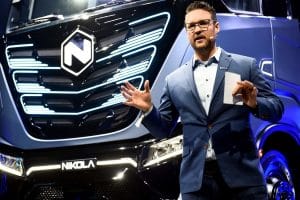
In a dramatic twist of events, Trevor Milton, the founder of Nikola Motor, has been granted a full pardon by former U.S. President Donald Trump. This decision has sparked discussions across various sectors, from legal circles to the electric vehicle industry. In this blog post, we delve deeper into the implications of Milton’s pardon, the allegations that led to his conviction, and what the future holds for Nikola Motor.
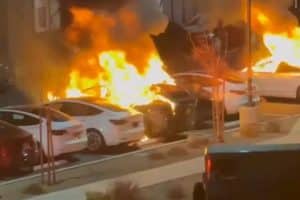
The recent arson at a Tesla repair center in Las Vegas has captivated public attention, revealing a troubling trend of targeted attacks on Tesla. With the arrest of Paul Kim, this incident underscores the escalating challenges Tesla faces, from vandalism to broader societal implications. In this blog post, we’ll explore the key aspects of this event, analyze the responses from various stakeholders, and discuss the broader impacts on Tesla and its owners.
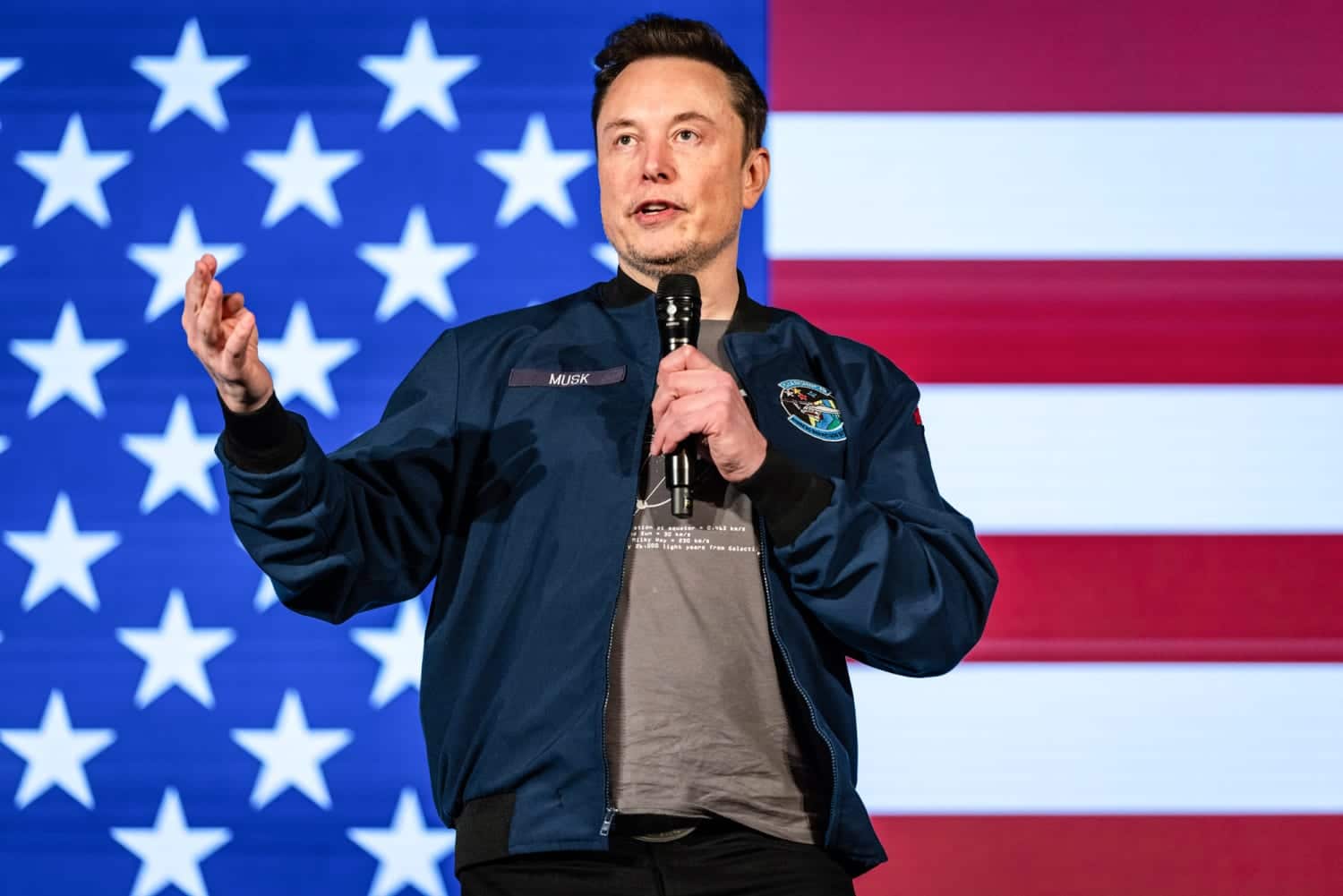
The latest development in the world of automotive manufacturing is President Trump’s decision to impose a 25% tariff on non-U.S.-made vehicles. This policy could have far-reaching implications, particularly for companies like Tesla that rely on an international supply chain. Elon Musk, Tesla’s CEO, has confirmed that these tariffs will significantly impact the company’s operational costs. In this blog post, we’ll delve into how these tariffs might affect Tesla and broader trends in the automotive industry.

Tesla has taken a decisive step in extending its energy storage solutions globally, with the first exports of its Megapack battery units from the Shanghai Megafactory to Australia. This significant development underscores Tesla’s commitment to revolutionizing the energy sector and supporting sustainable energy initiatives worldwide.
In recent years, Tesla vehicles have become unwitting focal points in a social and political conflict, as new forms of vandalism increasingly target these electric cars. A recent case in Texarkana involving Demarqeyun Cox highlights how Tesla’s Sentry Mode is not only beneficial for owners but essential for resolving incidents swiftly. In this blog post, we will explore the significance of this technology, analyze the implications of Tesla-related attacks, and discuss potential legal and societal repercussions.
In a strategic move that resonates with both caution and foresight, Tesla has revamped the branding of its driving systems in China. The company has withdrawn the use of “FSD” or “Full Self-Driving” from its vehicle order pages, opting for less assertive nomenclature. This shift, while purely semantic, raises questions about Tesla’s approach and future in the burgeoning Chinese market for autonomous vehicle technology.