Latest Posts

Davis, California: The Small City Taking on Elon Musk’s Tech Empire with a Bold Divestment Resolution

In the heart of California’s Yolo County, the progressive college town of Davis is making headlines for a audacious proposal: severing all ties with companies controlled by Elon Musk. On February 17, 2026, the Davis City Council convened to debate a resolution that would ban new contracts, purchases, and even the use of Tesla Robotaxis by the city, while urging the massive California Public Employees’ Retirement System (CalPERS) to dump its Tesla stock. This isn’t just local politics—it’s a flashpoint in the growing divide between Musk’s libertarian-leaning empire and left-leaning institutions wary of his influence.
Starlink Shutdown: Elon Musk’s Bold Move That’s Bleeding Russia’s Ukraine War Machine Dry

As a tech and geopolitics blogger who’s been tracking the Russia-Ukraine conflict since day one, I’ve seen how satellite internet has become the unsung hero of modern warfare. Starlink, SpaceX’s game-changing constellation, turned the tide for Ukraine early on by providing unbreakable comms amid relentless jamming and destruction of ground infrastructure. But now, in early 2026, Elon Musk has flipped the script on Russia’s shadowy reliance on the very same tech. SpaceX’s decision to disable unauthorized terminals has sent shockwaves through Moscow’s frontline operations, slashing drone strikes, stalling assaults, and widening Ukraine’s casualty advantages. This isn’t just a tech tweak—it’s a strategic gut punch that’s exposing Russia’s tech deficits and buying Ukraine precious time.

SpaceX and xAI’s Bold Bid: Inside the Pentagon’s $100M Race for Voice-Controlled Killer Drone Swarms

In a move that’s sending shockwaves through the defense, aerospace, and AI worlds, Elon Musk’s newly merged SpaceX-xAI powerhouse is reportedly competing in a classified Pentagon challenge to revolutionize autonomous drone warfare. Launched in January 2026 by the Defense Innovation Unit (DIU), this six-month, $100 million prize contest aims to birth “orchestrator” AI systems capable of translating natural voice commands into precise digital instructions for swarms of killer drones. As a blogger who’s tracked Musk’s empire from Falcon 1 failures to Starship triumphs and Grok’s cheeky rise, this isn’t just another contract—it’s a pivotal bet on AI-driven military dominance. But with Musk’s past anti-killer-robot advocacy clashing against today’s drone hype, questions abound: Is this pragmatic evolution or a dangerous pivot?

Why Doug DeMuro Nails It: The 2012 Tesla Model S is the Most Important Car of the Last 30 Years

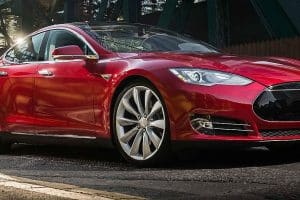
In a bombshell video dropped just days ago, renowned automotive YouTuber Doug DeMuro crowned the 2012 Tesla Model S as the undisputed #1 most important car of the last 30 years. “Unquestionably in my mind… it’s not even a question,” DeMuro declared, emphasizing how this electric sedan didn’t just arrive—it reshaped the entire auto industry. As a car enthusiast who’s followed EVs since the early days, I couldn’t agree more. In this deep dive, we’ll unpack DeMuro’s bold claim, compare the Model S to its predecessors, explore its seismic industry impact, and look at why it still matters in 2026.

Elon Musk Triples Down on Cybercab: Production Starts April 2026 – Realistic Expectations or Ambitious Dream?

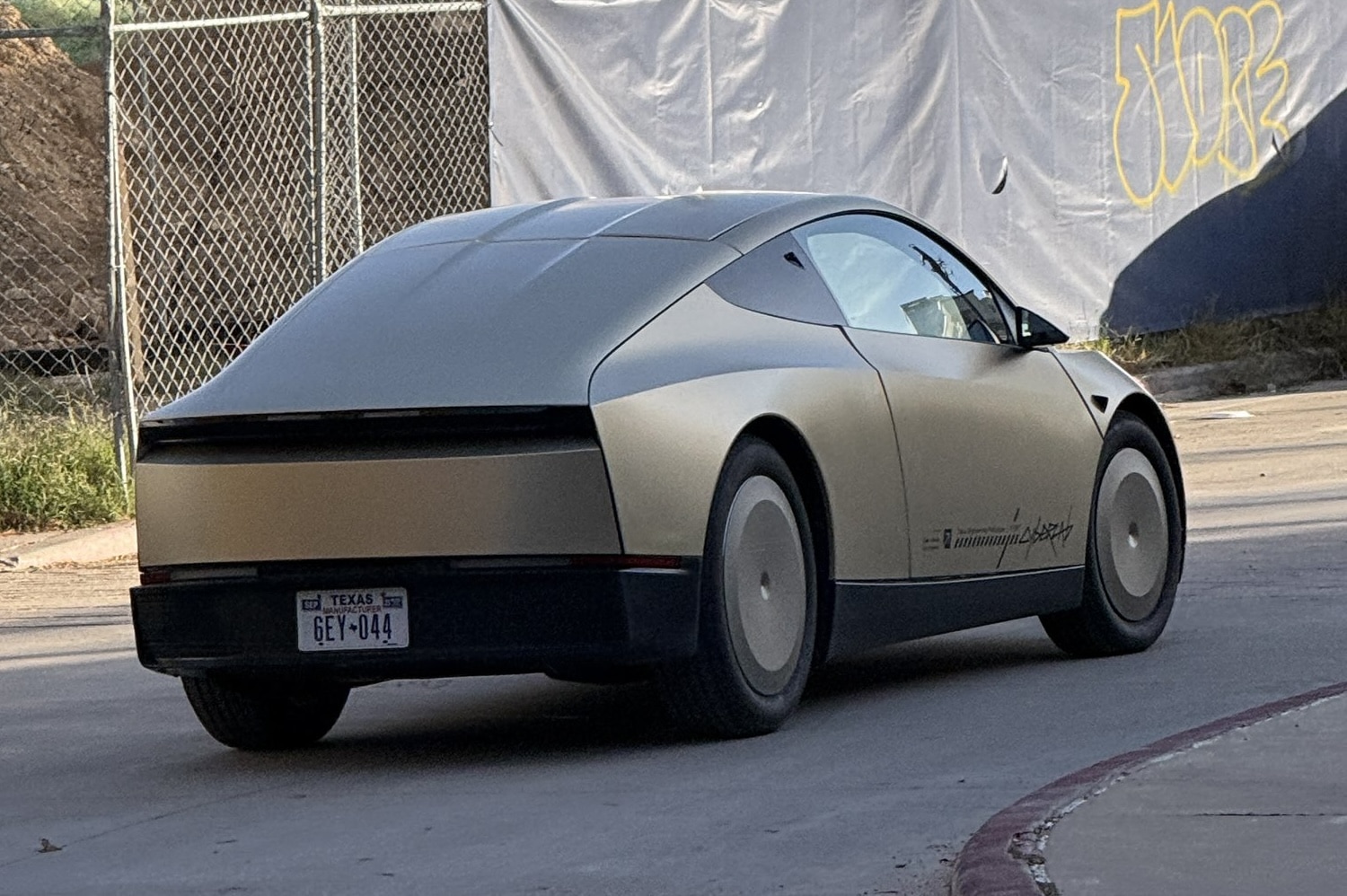
As a veteran EV analyst and Tesla enthusiast who’s been tracking Elon Musk’s bold predictions for over a decade, I’ve seen the highs of Model 3 ramps and the frustrating lows of perpetual Roadster delays. Today, on February 16, 2026, Musk has once again staked Tesla’s future on the Cybercab robotaxi, emphatically stating that production kicks off in April – no pedals, no steering wheel, pure autonomy. This marks the third time in six months he’s doubled down on this timeline, signaling uncharacteristic consistency amid Tesla’s history of slippage. But with Cybercab poised to anchor Tesla’s robotaxi empire, is this the breakthrough we’ve waited for, or just another chapter in the “Elon Time” saga? Let’s dive deep.

Elon Musk’s Boring Company Set to Tunnel Universal Orlando: Twin Tubes to Epic Universe and Beyond

As a longtime follower of Elon Musk’s audacious infrastructure ventures—from Hyperloop dreams to the sprawling Vegas Loop—I’ve been eagerly awaiting updates on The Boring Company’s latest gig: revolutionizing transport at Universal Orlando Resort. With Epic Universe now open since May 22, 2025, and drawing massive crowds, the need for seamless connectivity between Universal’s north campus (think Islands of Adventure and Volcano Bay) and this shiny new park has never been more urgent. Newly released bidding documents paint a vivid picture of twin tunnels, Tesla-powered rides, and ambitious timelines. But is this the future of theme park transit, or another Musk moonshot facing Florida’s sinkhole-riddled subsurface? Let’s dig in.

Tesla Unleashes xAI’s Grok AI Across Europe: A New Era of Hands-Free, Witty Driving Assistance

As a seasoned Tesla enthusiast and EV blogger who’s tracked Elon Musk’s ventures from the early Roadster days to the Cybertruck revolution, I’m thrilled to dive into the latest bombshell: Tesla is now rolling out xAI’s Grok AI assistant to vehicles across Europe. This isn’t just another software tweak—it’s a game-changer that infuses your Tesla with real-time intelligence, personality-packed conversations, and seamless navigation, all while keeping your hands firmly on the wheel (or not, if Full Self-Driving is engaged). With the rollout hitting nine key markets right now and more on the horizon, European Tesla owners are about to experience driving like never before.

Elon Musk’s Epic Pivot: SpaceX Swallows xAI, Bankers Tackle $18 Billion Debt Bomb Before Historic IPO

In the high-stakes world of Elon Musk’s empire, where rockets pierce the heavens and AI dreams challenge the stars, the latest bombshell is a game-changer. SpaceX has officially merged with xAI, ballooning into a colossal $1.25 trillion behemoth, but not without inheriting a staggering $18 billion debt pile from Musk’s AI venture. Now, Wall Street’s finest—led by Morgan Stanley—are scrambling to refinance that debt mountain ahead of what could be the largest IPO in history. Is this Musk’s masterstroke for interplanetary AI dominance, or a risky debt-fueled house of cards? As a blogger who’s tracked Musk’s ventures from Tesla’s early days to Starship’s fiery tests, I see this as a brilliant, if audacious, consolidation play. Let’s dive deep into the details, implications, and what it means for investors like you.

SpaceX Crew-12 Soars to New Heights: Historic Falcon 9 Launch and First-Ever Landing at LZ-40 Ushers in Reusability Revolution

What a way to kick off the year! On February 13, 2026, at precisely 5:15 a.m. Eastern Time, SpaceX etched another milestone into the annals of spaceflight history. A Falcon 9 rocket thundered off Space Launch Complex 40 (SLC-40) at Cape Canaveral Space Force Station, propelling the Crew Dragon Freedom toward the International Space Station (ISS). But this wasn’t just any crew rotation—it doubled as the debut of Landing Zone 40 (LZ-40), SpaceX’s shiny new booster touchdown pad right next to the launch site.

U.S. Smuggles Thousands of Starlink Terminals into Iran: Defying the Regime’s Digital Darkness

As a tech policy analyst and blogger with over a decade tracking the intersection of satellite internet, censorship battles, and U.S. foreign policy in repressive regimes, I’ve seen technology emerge as the ultimate equalizer in fights for freedom. The latest revelation from The Wall Street Journal—that the Trump administration covertly smuggled around 6,000 Starlink terminals into Iran following a savage crackdown on protests—is nothing short of a geopolitical thriller. This isn’t just about beaming internet from space; it’s a calculated strike against Tehran’s iron-fisted control over information, echoing Cold War-era radio broadcasts but with Elon Musk’s satellites as the delivery system. In this deep dive, we’ll unpack the protests’ roots, the smuggling op’s mechanics, internal U.S. debates, and why this could reshape global digital resistance.

Load more