Category: SpaceX

Seven Years On: The Tesla Roadster’s Cosmic Legacy and the Explosive Rise of SpaceX and Tesla

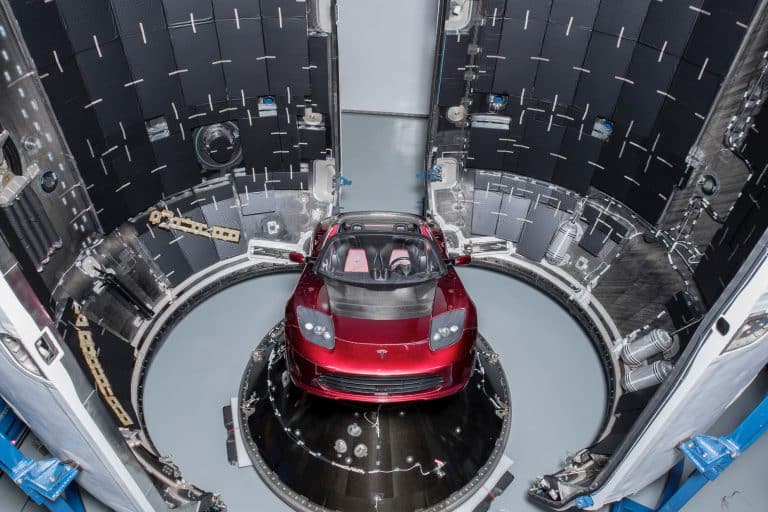
In the annals of space exploration, few moments capture the imagination quite like the Falcon Heavy’s maiden flight on February 6, 2018. Strapped atop this behemoth rocket wasn’t a satellite or scientific payload, but Elon Musk’s cherry-red Tesla Roadster, complete with a mannequin named Starman at the wheel, blasting David Bowie’s “Space Oddity” into the void. Critics called it a stunt; visionaries saw it as a declaration of intent. Fast-forward seven years to 2026, and that “stunt” has aged like fine wine, symbolizing the audacious risk-taking that propelled SpaceX and Tesla from precarious upstarts to trillion-dollar titans reshaping industries.

Elon Musk’s Masterclass in M&A: SpaceX Acquires xAI via Triangular Merger, Dodging Billions in Debt and Liabilities

As a tech and space industry veteran who’s tracked Elon Musk’s empire-building for over a decade, I can confidently say this week’s bombshell – SpaceX’s acquisition of xAI – isn’t just the largest M&A deal in history at $1.25 trillion; it’s a textbook example of surgical corporate strategy. Valuing SpaceX at $1 trillion and xAI at $250 billion, the deal consolidates Musk’s AI ambitions under his rocket powerhouse without the messy entanglements of debt, lawsuits, or taxes. But how? Enter the triangular merger – a structure so clever it feels like Musk pulled it from a sci-fi playbook. In this deep dive, we’ll unpack the mechanics, the wins, the risks, and what it means for SpaceX’s looming IPO and the future of orbital AI.

Elon Musk Crushes Starlink Phone Rumors: SpaceX Focuses on xAI Merger and Satellite Dominance

In the ever-buzzing world of Elon Musk’s tech empire, rumors of a “Starlink phone” have been swirling like satellites in low Earth orbit. Just yesterday, Reuters dropped a bombshell report suggesting SpaceX was gearing up to launch a direct-to-satellite mobile device to supercharge revenue ahead of a potential IPO. But true to form, Musk wasted no time shutting it down—twice—on X, declaring, “We are not developing a phone” and accusing Reuters of “lying relentlessly.” As a space tech blogger who’s tracked SpaceX’s meteoric rise for over a decade, this latest drama underscores a bigger picture: SpaceX is laser-focused on its core missions amid massive expansions like the recent xAI merger. Let’s dive deep into what really happened, why it matters, and what it means for the future of connectivity.

Starlink Phone: SpaceX’s Game-Changing AI-Optimized Satellite Smartphone on the Horizon?

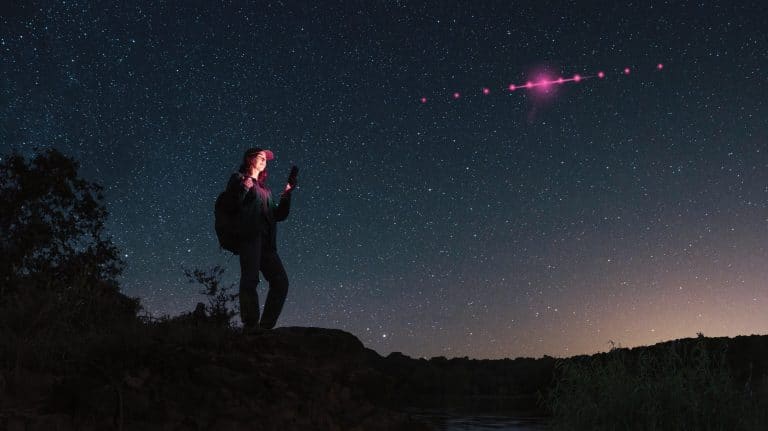
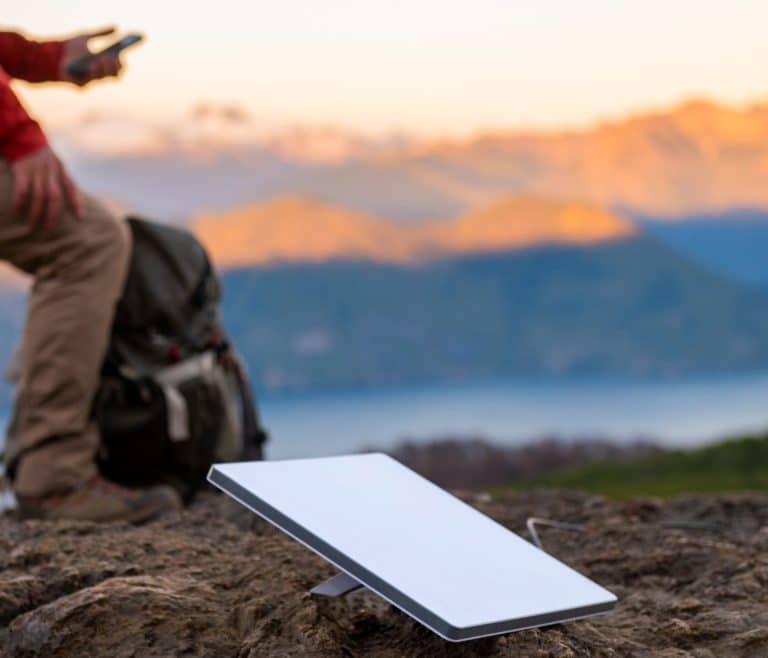
In the ever-evolving world of space technology, SpaceX continues to push boundaries beyond rockets and reusable spacecraft. The latest buzz from Reuters reveals that Elon Musk’s powerhouse is seriously considering a Starlink-branded phone – a dedicated mobile device designed to connect directly to the Starlink satellite constellation, bypassing traditional cell towers entirely. ❶ ❷ This isn’t just idle speculation; it’s a strategic pivot that could redefine global connectivity, especially as Starlink already dominates SpaceX’s revenue stream. As a space tech blogger who’s tracked Musk’s ventures for over a decade, I see this as the natural evolution of Starlink’s direct-to-device (D2D) ambitions – blending satellite internet with AI prowess in a handheld form factor.

SpaceX’s Bold Leap: FCC Accepts Filing for 1 Million Satellites to Power Orbital AI Data Centers

Imagine a sky filled not just with stars, but with a million tiny supercomputers orbiting Earth, guzzling endless solar power to crunch AI workloads that would cripple terrestrial data centers. That’s the audacious vision SpaceX just lodged with the FCC – and on February 4, 2026, the agency accepted it for review, kicking off a public comment period that could reshape computing, space policy, and humanity’s cosmic ambitions.

SpaceX Acquires xAI: Elon Musk’s Masterstroke Unites Rockets, AI, and the Stars

In a move that’s straight out of science fiction but grounded in Elon Musk’s relentless vision, SpaceX has officially acquired xAI on February 2, 2026. ❶ ❷ This isn’t just a corporate merger—it’s the forging of a vertically integrated powerhouse blending cutting-edge rocketry, satellite networks, and frontier AI capabilities. Valued at a staggering combined $1.25 trillion ahead of a potential IPO, this acquisition signals Musk’s bold pivot toward space-based AI, solving Earth’s energy crises while accelerating humanity’s multiplanetary future. ❸

SpaceX and xAI Merger Talks Heat Up: Elon Musk’s Masterplan for AI in Orbit and a $1.5 Trillion IPO?

As a seasoned tech analyst and blogger specializing in Elon Musk’s sprawling empire—from reusable rockets to neural networks—I’ve been tracking the intersections of space exploration, artificial intelligence, and bold corporate maneuvers for over a decade. The latest buzz? SpaceX, the rocket powerhouse valued at around $800 billion, is reportedly in advanced discussions to merge with xAI, Musk’s AI startup that’s pushing the boundaries of Grok and beyond. If this deal materializes as soon as this week, as some reports suggest, it could reshape the tech landscape, blending Starship launches with orbital data centers and creating a behemoth primed for one of history’s largest IPOs. But is this genius consolidation or a high-stakes gamble? Let’s dive deep.

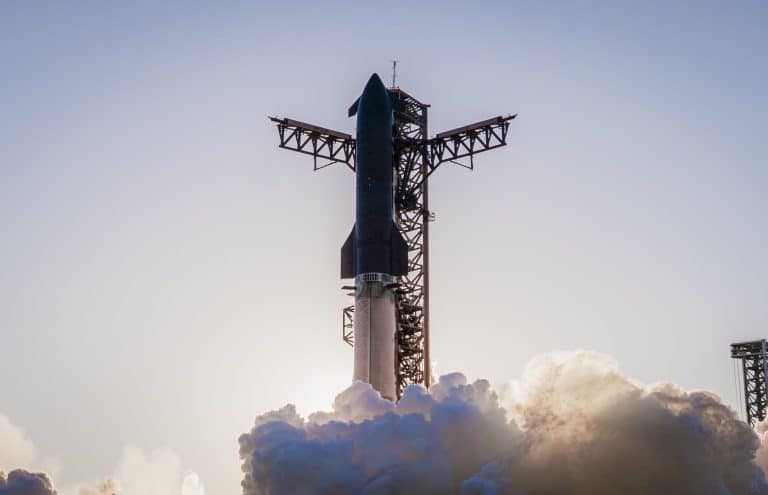
Starship Flight 12: Elon Musk’s Explosive Update – V3 Debut in Just Six Weeks Ushers in a New Era for SpaceX

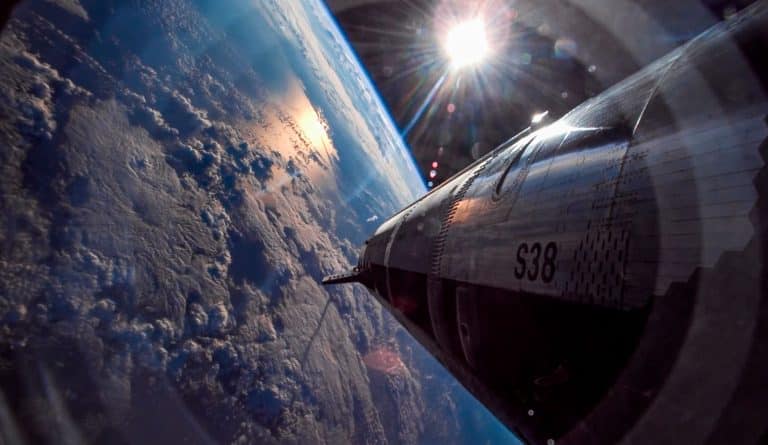
As a space industry veteran who’s tracked SpaceX’s meteoric rise from Falcon 1 failures to reusable rocket dominance, few announcements get my pulse racing like Elon Musk’s latest X post. On January 26, 2026, Musk dropped a casual bombshell: Starship’s next launch, Flight 12, is slated for about six weeks – potentially netting an early March liftoff from Starbase, Texas. Accompanied by a striking photo capturing the upper stage moments before separation from the Super Heavy Booster, this update signals the debut of Starship Version 3 (V3) and its game-changing Raptor 3 engines. For enthusiasts and analysts alike, this isn’t just another test flight; it’s a pivotal leap toward fully reusable, Mars-capable rocketry.

SpaceX’s Stellar Ascent: Revolutionizing Military Innovation and Beyond

In recent times, we’ve witnessed SpaceX ascend from an innovative private space enterprise to a critical player in U.S. defense strategy. This transformation has been markedly acknowledged by the Trump administration, particularly through the praise of Defense Secretary Pete Hegseth. In this blog post, we’ll delve into SpaceX’s burgeoning role within U.S. military innovation, explore the implications of leveraging Elon Musk’s agile methodologies, and examine how SpaceX plans to expand its cosmic ambitions while reinforcing national security priorities.

The Satellite Skies: Will American Airlines Fly with Starlink or Leo?

In the rapidly evolving world of satellite internet, airlines are faced with choices that could significantly influence passenger satisfaction and connectivity. Recent discussions have centered around American Airlines’ potential decision to diverge from SpaceX’s Starlink in favor of Amazon’s Project Kuiper, also known as Leo. This development has stirred reactions from industry experts, including SpaceX’s outspoken CEO, Elon Musk. Let’s delve into this evolving story and what it means for the future of in-flight connectivity.

Load more