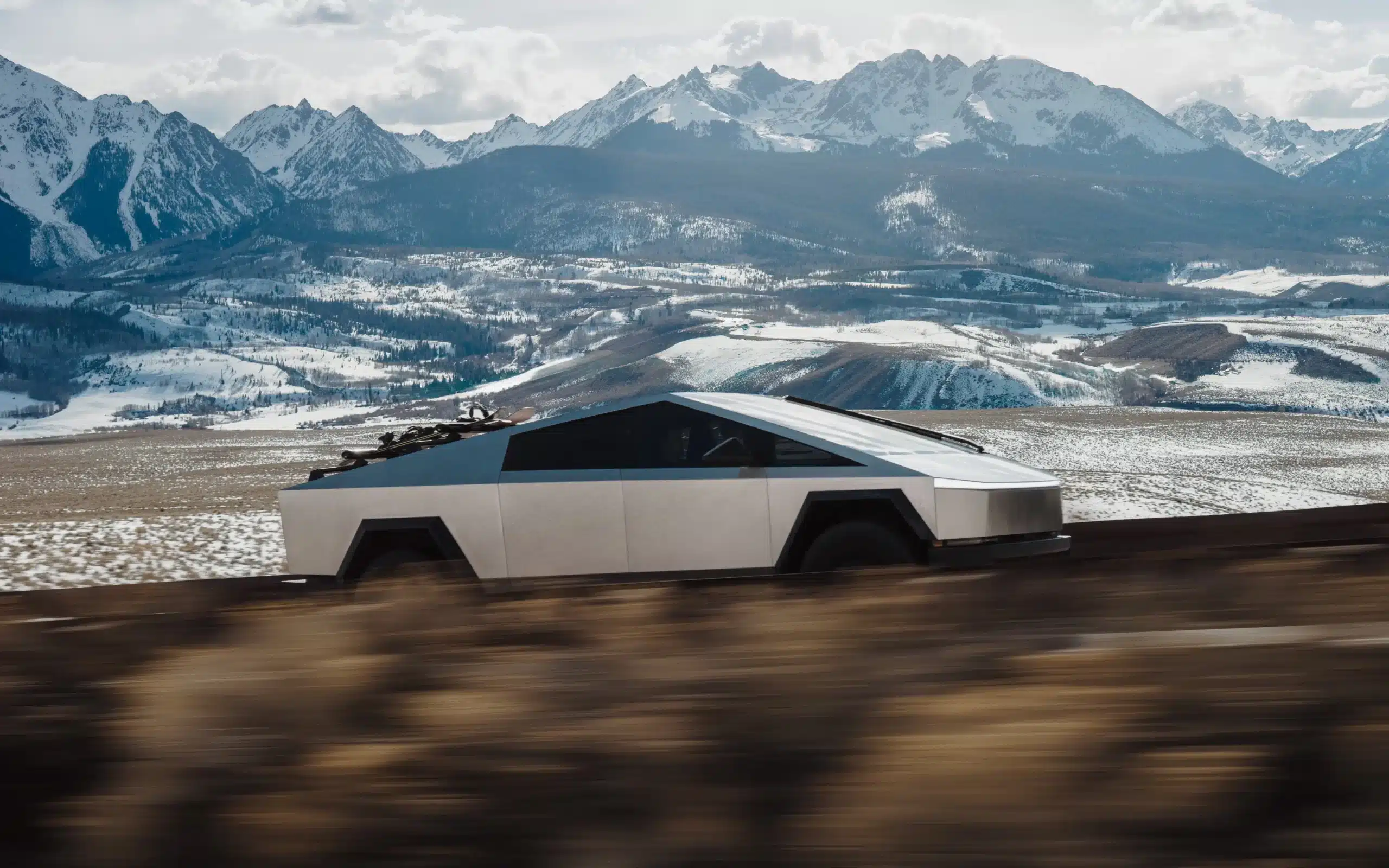
Tesla’s Cybertruck Recall: Navigating the Light Bar Adhesive Issue
Key Takeaways
- Tesla recalls 6,197 Cybertrucks due to a light bar adhesive issue.
- NHTSA identified that the light bar was incorrectly attached to the windshield.
- Tesla discovered the root cause was the use of an incorrect surface primer, the BetaPrime.
- Tech testing was conducted to address the light bar adhesion problem over several months.
- 619 warranty claims and one field report emerged related to this adhesion issue.
- No reported injuries or deaths have resulted from this recall issue.
- Customers will have the option for inspections and possible replacements at no charge.
- This marks the third recall for Cybertrucks this year, indicating ongoing quality control challenges.
Tesla’s ambitious journey with the Cybertruck has hit another road bump. The recent recall of 6,197 units due to a light bar adhesive issue underscores the challenges Tesla faces in maintaining quality while pushing technological boundaries. This blog post will delve into the specifics of the recall, analyze its implications, and explore the broader quality control concerns Tesla is navigating this year.
Understanding the Recall
The Core Issue
The recent recall revolves around the optional off-road light bar accessory on the Cybertruck. According to the National Highway Traffic Safety Administration (NHTSA), the main issue is the incorrect application of the light bar to the windshield. Tesla identified that the light bar was mistakenly affixed using the BetaPrime primer, which is not suitable for the glass surface.
Investigative Measures
Tesla noticed the adhesion problem back in February and undertook extensive testing to diagnose the issue fully. By October, they completed a comprehensive engineering study, determining that while the primer was not defective, it was inappropriately chosen for this application.
The Scale of the Problem
Since discovering the problem, Tesla has logged 619 warranty claims and a single field report related to adhesion failure, but fortunately, no injuries or deaths have been reported.
Addressing the Recall
Tesla’s Action Plan
In addressing the issue, Tesla is offering no-cost inspections and a replacement or retrofit of the light bar. Specifically, they will replace any damaged or delaminated light bars with new ones using a combination of adhesive tape and a positive mechanical attachment for better security.
Customer Impact
For Cybertruck owners, this means a straightforward recall experience. Tesla’s commitment to resolving the issue at no charge reflects their dedication to customer satisfaction and safety.
Tesla’s Quality Control Challenges
Pattern of Recalls
This recall is the third for the Cybertruck this year, revealing a pattern that suggests ongoing quality control issues. Previous recalls included problems with peeling exterior trim panels and overly bright front parking lights.
- March Recall: This involved concern over exterior trim panels, which could detach during driving. Tesla addressed this with free replacements.
- October Recall: An issue with front parking light brightness was resolved through an Over-the-Air software update, illustrating Tesla’s innovative approach to problem-solving.
Implications for Tesla
These recurring issues highlight Tesla’s struggle to balance rapid innovation with rigorous quality control. As the company continues to innovate, the importance of maintaining stringent quality assurance processes becomes increasingly apparent.
Looking Ahead
Future Recommendations
- Enhanced Quality Assurance: Tesla might consider strengthening its quality assurance processes to mitigate further recalls.
- Improved Testing Protocols: Expansion of pre-release testing could prevent issues from reaching the consumer.
- Proactive Communication: Continued transparency with consumers regarding issues and resolutions will foster trust and reinforce Tesla’s commitment to safety and quality.
While the issues with the Cybertruck light bar are an immediate concern for Tesla, the company’s proactive recall strategy and commitment to customer satisfaction demonstrate resilience and accountability. As Tesla continues to blaze trails in the electric vehicle market, ensuring robust quality control systems will be essential to sustaining growth and consumer trust.