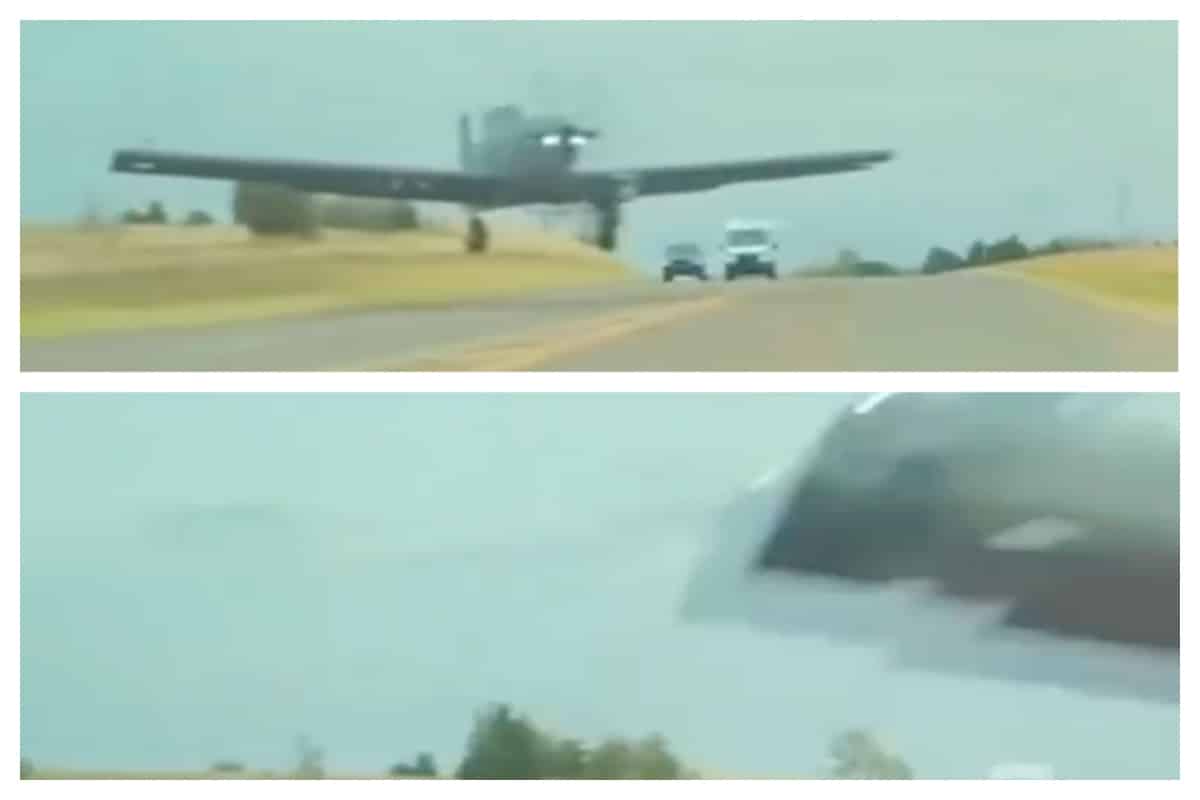
Tesla Dashcam Heroics: Navigating the Oklahoma Plane Crash
Key Takeaways
- A small aircraft crashed on an Oklahoma highway during a training mission due to engine failure.
- A Tesla Dashcam captured the near-miss as the vehicle swerved to avoid an incoming plane.
- David Bellow, who shared the footage, speculates that Tesla’s Full Self-Driving (FSD) may have executed the maneuver, though this is unconfirmed.
- Hints suggesting FSD involvement include the car’s swift reaction and the activation of a “Jump to Event” button in the video.
- Despite the near-accident, it’s unclear whether the avoiding action was due to FSD or manual control by the driver.
In the ever-evolving landscape of technology and transportation, moments of crisis can often illuminate the potential of advanced systems. Such a moment occurred recently when a Tesla captured the astonishing scene of a plane crash on an Oklahoma highway. This blog post delves into the intricacies of the incident, the role of Tesla’s Full Self-Driving (FSD) technology, and the wider implications for road safety and autonomous vehicle technology.
The Incident: A Near Catastrophe
On October 23, a routine training mission turned extraordinary when an Oklahoma National Guard OA-1K Skyraider II turboprop plane suffered engine failure, forcing it to crash land on a highway. Miraculously, both crew members escaped unharmed, and the incident was captured in stark detail by a Tesla Dashcam. In footage shared by David Bellow, the vehicle is seen dramatically swerving to avoid the crash, thus sparking discussions about the capabilities of Tesla’s FSD technology.
Was It FSD or Human Skill?
The central mystery in this narrative is whether the Tesla’s impressive maneuver was a product of its FSD suite or a manual intervention. The video, which has since gone viral, shows the car deftly evading the aircraft, an act any human might initiate. However, Bellow’s contention that FSD might have played a part introduces a fascinating debate.
Hints of Full Self-Driving Involvement
- Swift Reaction: The swerving was almost instantaneous, aligning with FSD’s capabilities to make split-second decisions.
- Jump to Event Button: The presence of a “Jump to Event” feature suggests the vehicle detected a significant event, possibly indicating FSD engagement.
Despite these suggestive hints, the community remains divided, as neither Tesla nor the vehicle’s owner has confirmed FSD’s role in the event.
Understanding Tesla’s Full Self-Driving Capabilities
To appreciate the scenario more fully, it’s essential to understand how Tesla FSD works:
- Sensor Suite: Utilizes a combination of cameras, ultrasonic sensors, and radar to perceive the environment.
- Neural Network: Processes data in real-time, assessing potential hazards and planning routes accordingly.
- Autonomous Features: From summoning the vehicle in a parking lot to navigating highways, Tesla’s FSD aims to minimize human intervention in driving.
The Road Ahead for Autonomous Technology
While the Oklahoma incident stops short of providing conclusive evidence of FSD’s capabilities in crises, it underscores the exciting potential of autonomous technology in enhancing road safety. As more situations like this occur, Tesla and other tech companies must prioritize transparency and constant improvement in their systems.
Key Considerations
- Regulatory Challenges: As autonomous technology evolves, it will face scrutiny regarding safety standards and ethical considerations.
- Consumer Trust: Trust in driverless technology is crucial and requires consistent performance accountability and public education.
A Glimpse into the Future
The Oklahoma plane crash incident, captured so vividly by the Tesla Dashcam, offers a window into the future of driving. Whether guided by human hand or autonomous software, the capabilities shown in the video highlight the evolving symbiosis of human ingenuity and technological prowess. As we move forward, it will be paramount to embrace both the potentials and pitfalls of this journey into autonomy.