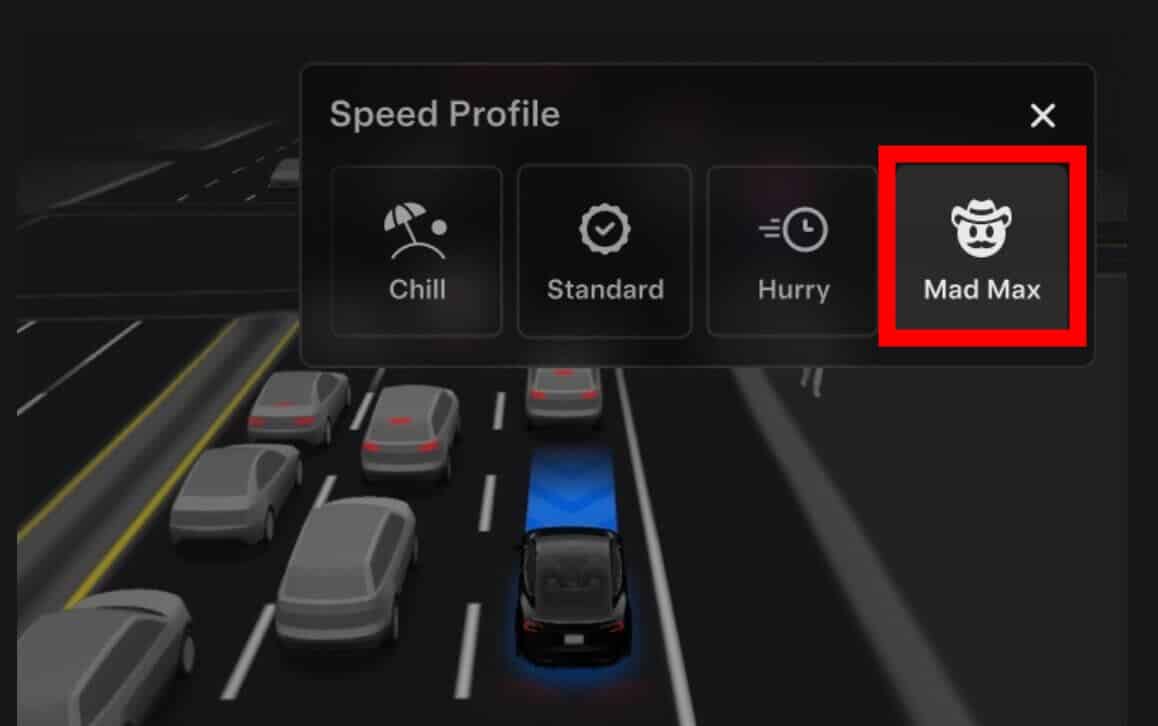
Understanding Tesla’s “Mad Max” Mode and Its Implications
Key Takeaways
- Tesla introduced a new aggressive driving mode called “Mad Max” in Full Self-Driving v14.1.2.
- The NHTSA is seeking more information from Tesla regarding the Speed Profile of “Mad Max.”
- “Mad Max” allows for higher speeds and more frequent lane changes compared to the previous “Hurry” mode.
- Drivers have full responsibility for compliance with traffic laws while using “Mad Max” mode.
- Other available driving modes include “Sloth” and “Standard,” catering to drivers preferring less aggressive styles.
Tesla’s relentless innovation in autonomous driving technology has recently hit a new high—or rather a new speed—with the launch of its “Mad Max” mode in the Full Self-Driving (FSD) v14.1.2. This new driving mode has sparked plenty of conversations not only among Tesla enthusiasts but also among regulatory bodies like the National Highway Traffic Safety Administration (NHTSA). In this comprehensive blog post, we will delve into the main features and implications of the “Mad Max” mode, the NHTSA’s response, and how this new mode fits into Tesla’s broader suite of driving profiles.
Key Features of Tesla’s “Mad Max” Mode
“Mad Max” is the latest addition to Tesla’s array of Speed Profiles within its Full Self-Driving options. Here’s a closer look at what this mode entails:
- Enhanced Speed and Responsiveness: “Mad Max” surpasses the former “Hurry” mode, offering higher speeds and more responsiveness. It’s designed for aggressive driving conditions, making it suitable for demanding traffic scenarios like rush hour.
- Frequent Lane Changes: One of the distinguishing features of this mode is its proclivity for more frequent lane changes. This is ideal for drivers who need to navigate through tight and fast-moving traffic.
- Driver Responsibility: Despite its advanced features, the mode underscores the important role of the human driver. Tesla emphasizes that users must remain vigilant and ensure compliance with all applicable traffic regulations.
The NHTSA’s Role and Concerns
The introduction of “Mad Max” has caught the attention of the National Highway Traffic Safety Administration. Here’s what we know:
- Regulatory Scrutiny: The NHTSA is actively seeking more data from Tesla regarding the operational specifics of the “Mad Max” mode. Their interest primarily revolves around understanding its intensity and ensuring it aligns with safety norms.
- Public Safety: At the core of NHTSA’s involvement is the commitment to public safety. They are working to ensure that while innovation progresses, it does not compromise on the safety of road users.
- Guidelines for Future Technologies: The agency’s interest might set a precedent for how emerging FSD technologies will be regulated in the future.
Other Driving Modes in Tesla’s FSD System
Tesla’s driving profile suite is designed to cater to diverse driver preferences. Here’s how:
- Standard Mode: This mode offers a balanced driving experience, merging performance with modesty in responsiveness—optimal for those who prefer steady and predictable driving patterns.
- Sloth Mode: As the name suggests, this mode is conservative, suitable for new or cautious drivers who are uncomfortable with speedy maneuvers and frequent lane changes.
Expert Opinions: A Balance of Innovation and Responsibility
The development of “Mad Max” mode highlights Tesla’s prowess in pushing technical boundaries. However, it also brings to the forefront the crucial aspect of responsibility:
- Innovation Pioneers: Tesla’s “Mad Max” mode is a testament to their consumer-centric approach, offering drivers options that cater to their unique driving styles and needs.
- Ethical Transparency: With increasing concerns over speeding and aggressive driving, Tesla must ensure transparency in how these modes function—and more importantly—how they can coexist safely with human vigilance.
- Future Directions: The dialogue between Tesla and regulators like the NHTSA could shape not just corporate practices but also legal frameworks governing autonomous driving technologies.
Tesla’s introduction of the “Mad Max” mode is an impressive stride forward in autonomous driving. While it embodies innovation and adaptability, it also requires an enhanced focus on safety and regulatory compliance. As Tesla continues to innovate, maintaining an open dialogue with regulatory bodies and the public will be essential to ensure that technological advancements are harmoniously integrated into daily life.