The Future of Space Travel: SpaceX’s Ambitious Plans for Starship’s Catch Attempt
Key Takeaways
- Elon Musk announced plans for the first catch attempt of the Starship in upcoming flights.
- Starship successfully completed its tenth test flight, meeting all mission objectives, including payload deployment.
- The catch attempt might take place in 2025 or potentially be delayed to 2026.
- SpaceX has yet to catch the Super Heavy Booster during this launch cycle, but plans to catch Starship in future flights.
- V3 rockets will be used through 2026, with V4 expected to carry humans to space eventually.
SpaceX continues to redefine space exploration with its ambitious goals and innovative technology. One of the company’s most intriguing endeavors is the planned catch attempt of the Starship, which promises to revolutionize the way we understand space travel. In this blog post, we’ll delve into the intricacies of this mission, explore the evolution of the Starship program, and discuss what lies ahead for SpaceX.
A New Milestone in Space Exploration
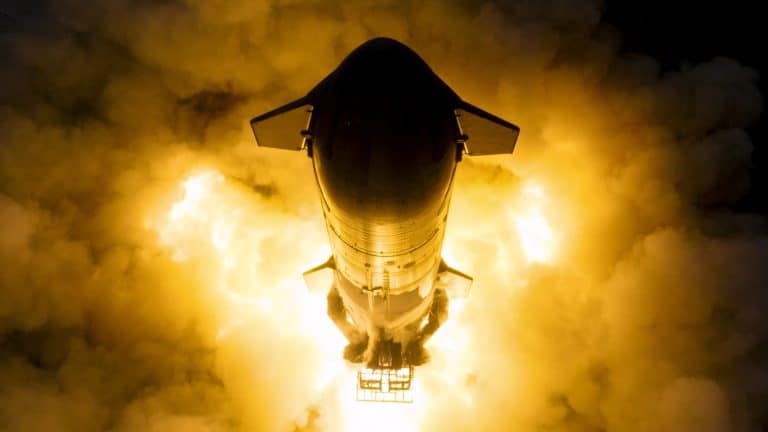
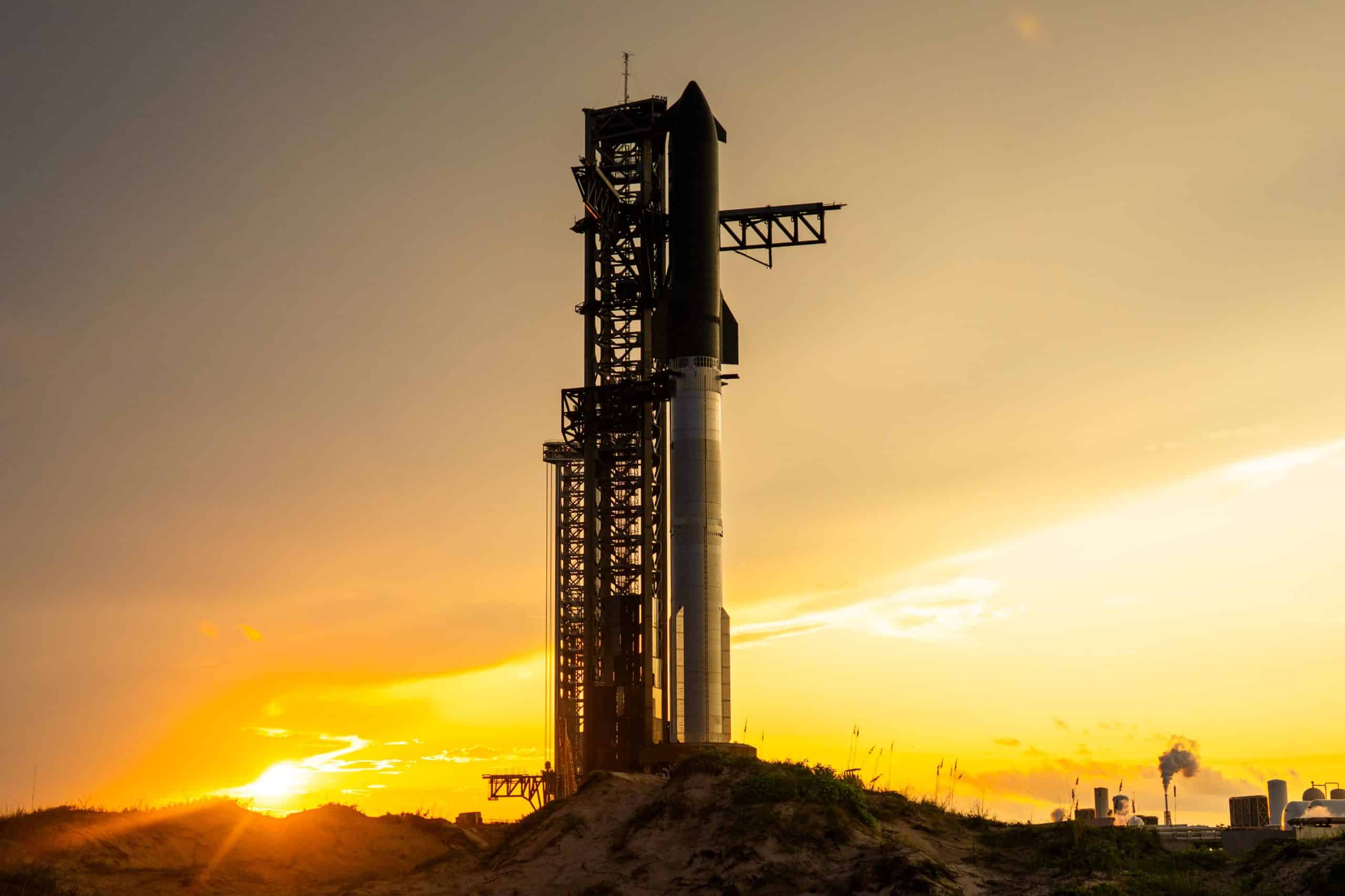
SpaceX’s Starship recently accomplished a significant milestone with its tenth test flight, successfully achieving all mission objectives. The payload deployment was a key component of the test, marking a new era in SpaceX’s journey towards interplanetary travel. However, one of the most exciting elements in the pipeline is the plan for a Starship catch attempt, a move that could dramatically change how rockets are recovered.
Understanding the Starship Catch Attempt
Elon Musk’s announcement about attempting to catch the Starship represents a groundbreaking approach to rocket recovery. This method, if successful, could significantly reduce costs and increase the efficiency of space missions by allowing for the reuse of key components.
Key Details About the Catch Attempt
- Timeline: The catch attempt is tentatively scheduled for 2025, with some possibilities of being pushed to 2026. This timeline largely depends on the success of preceding flights and technological developments.
- Objectives: The main goal is to successfully capture the Starship in a manner that allows for its reuse, similar to how SpaceX currently recovers Falcon 9 rockets.
The Evolution of Starship Technology
Starship has been through a rigorous developmental phase, with each test flight contributing valuable data:
- V2 Rockets: The current version of the Starship being tested, offering significant advancements but with some limitations in payload-to-orbit capacity.
- V3 Rockets: Set to be the standard through 2026, these rockets promise enhanced capabilities and are pivotal in the lead-up to the catch attempts.
- V4 Rockets: Although still on the horizon, V4 rockets are poised to carry humans to space, marking a significant leap forward in SpaceX’s mission.
Challenges and Opportunities
SpaceX faces numerous challenges as it heads towards these ambitious goals.
- Technological Hurdles: Perfecting the catch mechanism is complex, requiring advancements in precision landing and control technology.
- Accelerated Testing Schedule: To reach the proposed timeline for the catch attempt, SpaceX must increase its testing rate significantly.
The Road Ahead
The journey of SpaceX is a testament to human ingenuity and ambition. As preparations continue for the first Starship catch attempt, the world waits in anticipation. This mission holds the potential to forever alter the landscape of space travel, making it more sustainable and accessible.