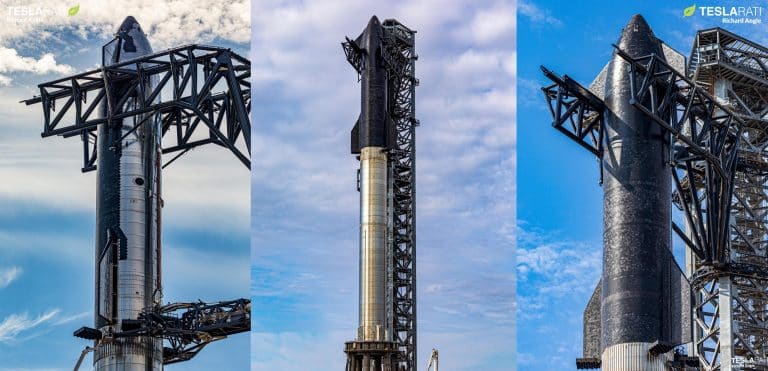
Starship Flight 10: A Triumph Amidst Mixed Media Narratives
Key Takeaways
- Starship Flight 10 was a significant success, achieving all major objectives with no unexpected failures.
- The mission provided critical data for future designs of Starship and Super Heavy, stressing the limits of capabilities.
- Media coverage was mixed, with some outlets highlighting past failures while others celebrated the successful flight.
- The New York Times and Fox News reported positively, contrasting with the negative slant from BBC and CNN.
- Coverage tendencies suggest a persistent bias against Elon Musk’s companies, despite successes like Flight 10.
SpaceX’s Starship Flight 10 has marked a monumental milestone in aerospace achievements. With the successful completion of all major objectives, this flight proves pivotal not just for future missions but also for redefining the narrative around Elon Musk’s ambitious space endeavors.
Understanding Starship Flight 10’s Objectives and Outcomes
Starship Flight 10 stands as a testament to SpaceX’s resolve and engineering ingenuity. This mission was meticulously designed to achieve specific objectives, integral for the advancement of human spaceflight capabilities.
Key Objectives Achieved
- Successful Landing: One of the most celebrated achievements of Flight 10 was the successful landing of both the Super Heavy booster and the Starship Upper Stage. This marked an essential stride in reusable rocket technology.
- Data Collection: The mission provided critical data by stressing the limits of Starship’s capabilities. These insights are invaluable for refining the architecture of the next-generation Starship and Super Heavy designs.
- Validation of Systematic Improvements: Previous flights faced challenges with rapid unscheduled disassemblies. Flight 10 not only overcame these challenges but did so with significant headway, showing marked improvement in system reliability.
Mixed Media Coverage: Sifting Through the Bias
While the achievements of Starship Flight 10 are clear, the media’s portrayal of these events reveals an intriguing dichotomy. Media outlets varied widely in their coverage, painting different narratives around the same event.
Positive Perspectives
- The New York Times: Lauded the flight as nearly flawless, acknowledging the technical triumphs of SpaceX.
- Fox News: Emphasized the success of the mission after numerous challenges, focusing on the breakthrough reached during this flight.
Critical Frames
- BBC: Opted to underscore past failures in its coverage, perhaps overshadowing the current success.
- CNN: Highlighted a series of mishaps leading up to this success, framing the achievement amidst prior challenges.
The Media Bias Phenomenon
It is no stranger to anyone following technology and innovation that Elon Musk’s ventures often receive polarized coverage. This incident offers yet another example of a persistent media bias.
Why Does This Bias Exist?
Multiple factors could account for this phenomenon:
- Disruptive Innovation: Companies that disrupt the status quo often face scrutiny as they challenge entrenched industries and ideologies.
- Public Figures: The public personas of leaders like Elon Musk can lead to polarized perceptions, influencing how media outlets choose to frame their narratives.
- Complexity of Space Technology: Simply put, space missions involve complexities that are tough to convey succinctly, often leading to oversimplifications in reporting.
Charting the Future Course
Despite the varying media sentiments, SpaceX’s Starship Flight 10 undeniably lays a solid groundwork for future missions. The data harnessed from this flight will guide the enhancements of spacecraft capabilities, invigorating the dream of interplanetary colonization.
Implications for Future Missions
- Enhanced understanding of aerodynamic performance will inform safer and more cost-efficient designs.
- Further validation of reusability will cement the economic viability of regular space exploration.
- It brings us a step closer to the ambitious Mars colonization project envisioned by SpaceX.