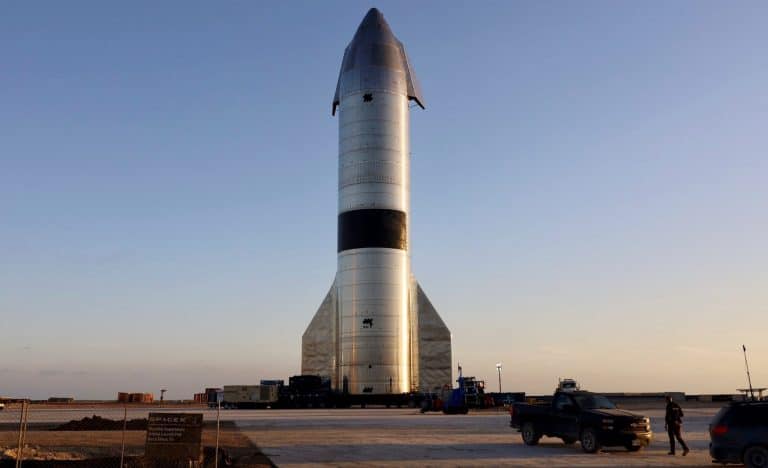
SpaceX’s Starship Triumph: Tenth Test Flight Marks a Major Milestone
Key Takeaways
- SpaceX successfully completed its tenth Starship test flight after multiple delays, achieving ideal launch conditions.
- The mission objectives included splashdowns of both the booster and Starship, with successful payload deployment of Starlink simulators.
- The booster splashed down in the Gulf of America, while Starship’s splashdown occurred in the Indian Ocean, marking a milestone for the program.
- This flight was one of the most successful in Starship history, notably with no vehicle loss.
- SpaceX plans to launch Starship again in about eight weeks, pending data collection from this flight.
SpaceX has once again pushed the boundaries of space exploration with the remarkable success of its tenth Starship test flight. Despite the mission’s initial setbacks and delays, it culminated in a triumphant demonstration of engineering prowess and strategic planning. This blog explores the implications of this milestone and what it signifies for the future of space travel.
Unfolding the Mission: Overcoming Delays with Precision
Originally slated for a Sunday night launch, SpaceX faced two postponements before executing the mission on a Tuesday night. These delays, rather than hindering progress, provided optimal conditions that contributed to the mission’s success. The exact timing allowed SpaceX to achieve several key objectives crucial for Starship’s continual development.
Mission Objectives: Creating a Ripple in Space Exploration
The tenth Starship test flight was not just about reaching space; it was about doing so with purpose. The objectives included:
- Splashdown of the Booster: The Super Heavy booster made a controlled descent back to Earth, with a planned splashdown in the Gulf of America.
- Payload Deployment: For the first time, Starship deployed eight Starlink simulation modules, functioning like a sophisticated PEZ dispenser.
- Starship’s Splashdown: The flight concluded with Starship itself splashing down safely in the Indian Ocean. This marked a shift from past tests, where vehicle loss was commonplace.
Breaking New Ground: Evaluating the Successful Deployment
The payload deployment of Starlink simulators not only demonstrated SpaceX’s ability to launch satellites but did so in a precise and innovative manner. Each simulator exited through a small slit, showcasing SpaceX’s engineering ingenuity. This mechanism ensures efficiency and safety, paving the way for future satellite deployment missions.
Setting Records: A Flight Without Losses
In the chronology of Starship flights, this mission is historic, notably as the fifth instance without vehicle loss. Achieving this not only highlights the increased reliability of the technology but ultimately fortifies trust in SpaceX’s vision for sustainable space travel.
Looking Ahead: The Future of Starship
As SpaceX reflects on this successful mission, preparations are already underway for the next Starship launch, anticipated in roughly eight weeks. The upcoming phase will utilize data amassed during this flight, aiming to refine processes and enhance outcomes.
Insights and Opinions: What Lies Ahead for SpaceX?
The tenth Starship test flight is more than just another mission accomplished; it’s a testament to innovation, resilience, and meticulous planning. SpaceX’s approach underscores the importance of adaptive strategies and continuous improvement. As the aerospace industry closely watches this program’s development, SpaceX’s Starship continues to steer humanity toward an era where space is within our grasp.