Tesla’s Turn Signal Stalk: A Return to Familiarity in China’s Model 3
Key Takeaways
- Tesla is reintroducing the turn signal stalk for Model 3 in China after removing it with last year’s refresh.
- The replacement will cost ¥ 2,499 (approximately $350) for drivers who prefer the stalk over the button system.
- Installation can be done at Tesla Service Centers or by owners, but the company advises professional installation to avoid damages.
- This change reflects Tesla’s responsiveness to customer feedback regarding the button system’s usability.
- The push towards a minimalistic cockpit design signals Tesla’s future direction towards fully autonomous driving.
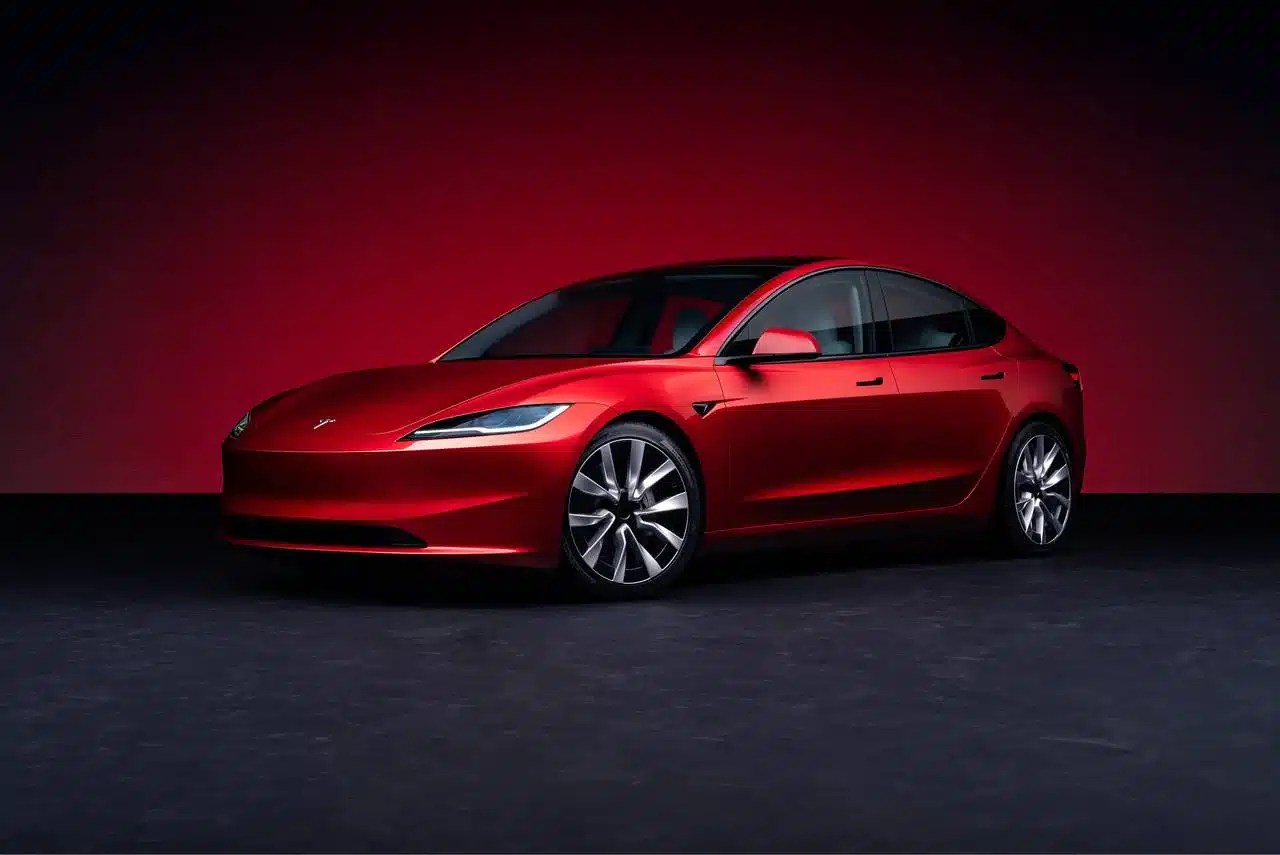
In a move that has generated considerable buzz among automotive enthusiasts, Tesla is set to bring back the traditional turn signal stalk for the Model 3 in China. This decision comes after its removal during a refresh last year that introduced the “Highland” edition of the vehicle, which controversially replaced the stalk with steering wheel-mounted buttons. While some embraced the change for its futuristic feel, others longed for the simplicity and intuition of the original design.
A Welcome Return: The Cost and Process
For those in China wanting to revisit the reliable stalk, Tesla has priced this nostalgia-driven modification at ¥2,499, equivalent to about $350. This fee covers the replacement of the steering wheel buttons with the traditional turn signal stalk, a process that can be undertaken at one of Tesla’s authorized Service Centers. Although owners are technically free to make the modification themselves, Tesla advises against it due to the complexity and potential for damage inherent in self-installation.
Gauging the Response: User Feedback on the Button System
The introduction of the button-based system was met with mixed reviews. Some drivers welcomed the minimalistic approach, finding it a fitting match for Tesla’s clean, uncluttered cabin aesthetic. However, others found the adjustment challenging, citing muscle memory and instinctive reactions built from years of using stalks in conventional vehicles. The reintroduction of the stalk suggests a level of corporate listening rare in the automotive industry, highlighting Tesla’s adaptability and willingness to pivot based on consumer input.
Minimalism and Autonomy: Tesla’s Vision for the Future
Tesla’s move towards a more minimal cockpit is more than a nod to design trends; it is a strategic step toward a future dominated by autonomous vehicles. By reducing driver inputs to the bare essentials, Tesla is preparing its user interface and experience for a time when manual driving becomes obsolete. In this context, the temporary reinstatement of the turn signal stalk is not just a business decision—it’s a calculated response to consumer demand during the transitional phase towards full autonomy.
Looking Forward: The Road Ahead for Tesla Owners
- Current Availability: As of now, the stalk replacement is available only for Model 3 vehicles manufactured after February 7, 2025. Tesla has plans to extend this service to earlier models, ensuring broader access across its customer base.
- Benefits of Professional Installation: Opting for Tesla’s professional installation service eliminates the risk of self-imposed damages and ensures that the modification adheres to Tesla’s stringent quality standards.
- A Tactical Decision: By reinstating the stalk option, Tesla not only addresses immediate customer concerns but also reinforces its commitment to user-focused innovation, a cornerstone of its brand philosophy.