Tesla Signals Where Robotaxi Network May Expand Next
Key Takeaways
- Tesla is expanding its Robotaxi service in the San Francisco Bay Area and Austin, Texas.
- The service in Austin operates without a driver, while California rides have a driver present due to regulations.
- Elon Musk aims for 50% of the U.S. population to access Robotaxi by the end of the year, pending regulatory approvals.
- Tesla is actively hiring in major U.S. metropolitan areas, hinting at potential expansion.
- Job postings indicate interest in cities like Palo Alto, Brooklyn, Houston, and Miami for future Robotaxi services.
- The targeted cities are key tourist destinations, likely to attract customers looking for rides during vacations.
As Tesla continues to break barriers in the automotive industry, its Robotaxi service stands at the forefront of the future of transportation. This service is a significant step towards Elon Musk’s vision of an autonomous future, aiming to transform urban commute and travel experiences across the United States. In this blog post, we’ll delve into Tesla’s strategic expansion, the regulatory landscape, and the exciting potential this holds for millions of Americans.
Tesla’s Strategic Expansion
Journey So Far: San Francisco Bay Area and Austin, Texas
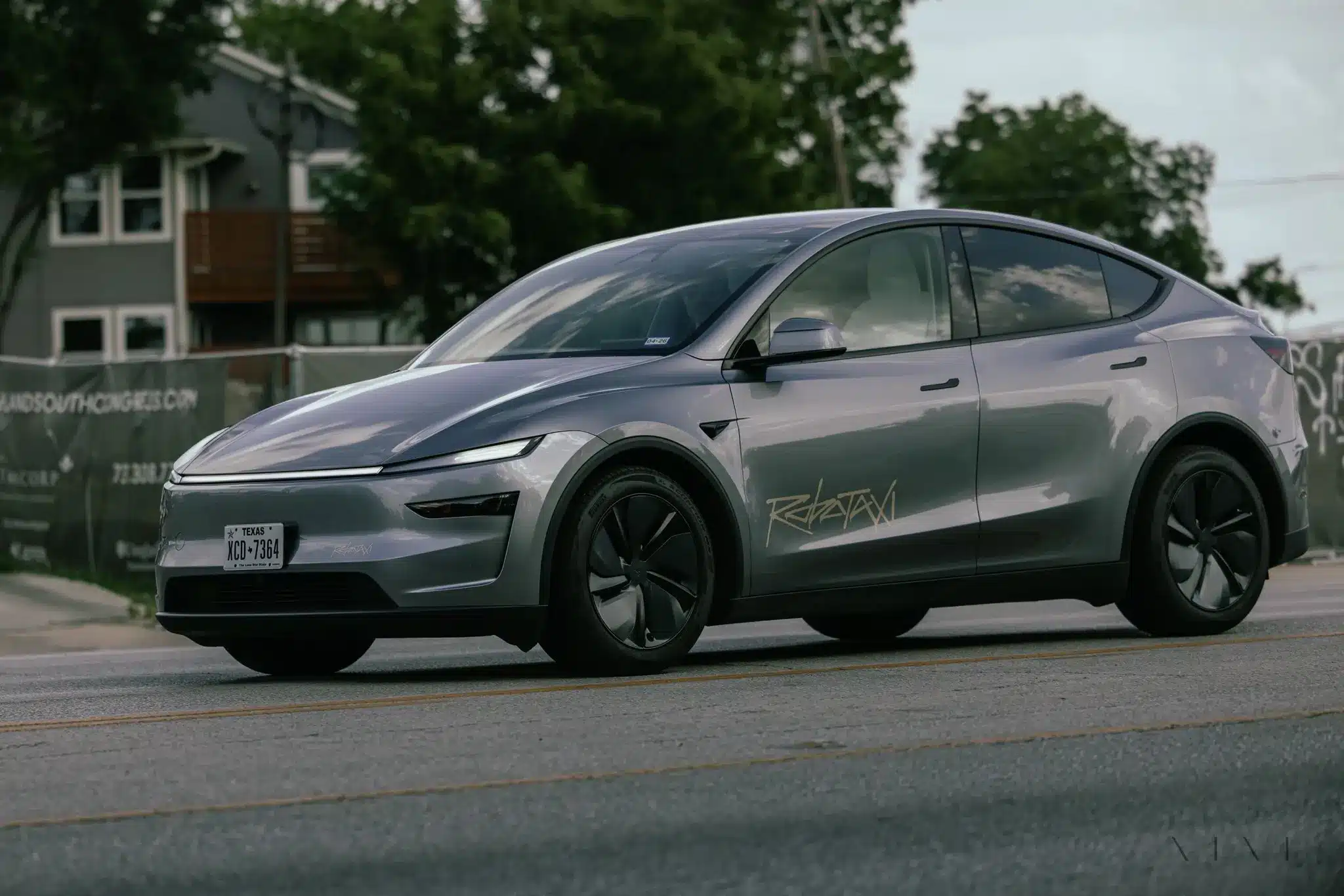
Tesla’s expansion into the San Francisco Bay Area and Austin, Texas marks a pivotal moment in its autonomous driving journey. These locations have been strategically selected for their technological ecosystems and diverse populations. In the Bay Area, Tesla’s Robotaxi service operates with drivers due to California’s regulatory requirements, while Austin enjoys a fully autonomous, no-driver service, illustrating the differences in regional legislation and public acceptance levels.
Ambitious Plans for 2025
Elon Musk’s bold declaration to make the Robotaxi service accessible to 50% of the U.S. population by the end of the year underscores Tesla’s ambitious growth strategy. Achieving this goal is contingent upon obtaining the necessary regulatory approvals, a challenge Tesla is ready to face head-on. This expansion is not just about putting more cars on the road; it’s about redefining what urban mobility means in the 21st century.
Future Expansion: Target Cities and Job Opportunities
Tesla’s expansion blueprint includes notable U.S. metropolitan areas such as Palo Alto, Brooklyn, Houston, and Miami. These cities are not just bustling urban centers but also key tourist hubs, providing an ideal testing ground for Tesla’s ride-hailing services. Tesla’s recent job postings underscore its commitment to doubling down on expanding its workforce to meet the demands of these promising markets.
Navigating the Regulatory Landscape
Regulatory Differences: Austin vs. California
One of the critical challenges in deploying autonomous vehicles lies in navigating the regulatory landscape. In Austin, Tesla’s Robotaxi operates without a human driver, showcasing the city’s more liberal approach to autonomous driving technology. In contrast, California’s regulations necessitate a driver behind the wheel, reflecting a more cautious approach to ensuring passenger and pedestrian safety.
Overcoming Regulatory Hurdles
To achieve Musk’s objective, Tesla must work closely with federal and state regulators to ensure safety and compliance. This collaboration involves demonstrating the reliability and safety of Tesla’s AI and autopilot systems. It’s a complex process, but successful navigation will set a precedent for future autonomous vehicle initiatives worldwide.
The Future of Urban Mobility
Tourist Hotspots: Key to Tesla’s Strategy
Targeting tourist hotspots is a brilliant move by Tesla, aiming to capture a customer base actively seeking convenient and innovative travel solutions. Cities like Miami and Las Vegas attract millions of tourists yearly, creating an ideal environment for showcasing the benefits of autonomous mobility. As these Robotaxi services become integrated into the travel plans of millions, they can significantly reduce the environmental impact typically associated with traditional transportation.
Beyond Ridesharing: Tesla’s Broader Vision
Tesla’s Robotaxi is more than just a ride-hailing service; it’s a glimpse into the future of autonomous transportation networks. Envision a world where traffic congestion is drastically reduced, parking issues are a thing of the past, and the environmental footprint of urban commuting is minimized. This vision aligns with Tesla’s broader mission to accelerate the world’s transition to sustainable energy.
Tesla’s Robotaxi venture is not merely an addition to the ride-sharing landscape; it’s a transformative force aimed at reshaping urban transportation dynamics. As Tesla navigates the complexities of regulatory landscapes and expands its footprint across major U.S. cities, the potential for a more connected and autonomous future is within reach. With innovation at its core and a relentless drive towards expansion, Tesla is on the brink of revolutionizing how we perceive and interact with urban mobility.