Tesla Starts Robotaxi Certification Process in Arizona
Key Takeaways
- Tesla is in discussions with Arizona regulators to certify its driverless Robotaxi service.
- The company aims to expand its Robotaxi operations in Austin and launch in the San Francisco Bay Area soon.
- The Robotaxi program initially started in Austin with a fleet of Model Y vehicles and plans to expand to 1,000 vehicles.
- Tesla plans to introduce the Cybercab, a two-seater vehicle designed without a steering wheel, for its Robotaxi fleet.
- Tesla has filed for a transportation permit in California, focusing initially on pre-arranged rides for employees.
In the rapidly evolving landscape of autonomous vehicles, Tesla is once again steering the future towards innovation. The company’s pursuit of certifying its driverless Robotaxi service in Arizona marks a significant milestone. With the expansion plans for Austin, Texas, and the ambitious launch in the San Francisco Bay Area, Tesla is at the forefront of autonomous ride-sharing development. This blog explores the latest initiatives by Tesla, focusing on the Robotaxi program’s growth and its implications for the future of transportation.
The Ambitious Expansion Plan
Tesla’s push to certify its Robotaxi service in Arizona is a strategic move. By engaging with state regulators, the company aims to ensure compliance and smooth operational rollout. This initiative is part of a broader expansion plan that includes increasing operations in Austin and venturing into the lucrative markets of the San Francisco Bay Area.
Austin: The Testing Ground
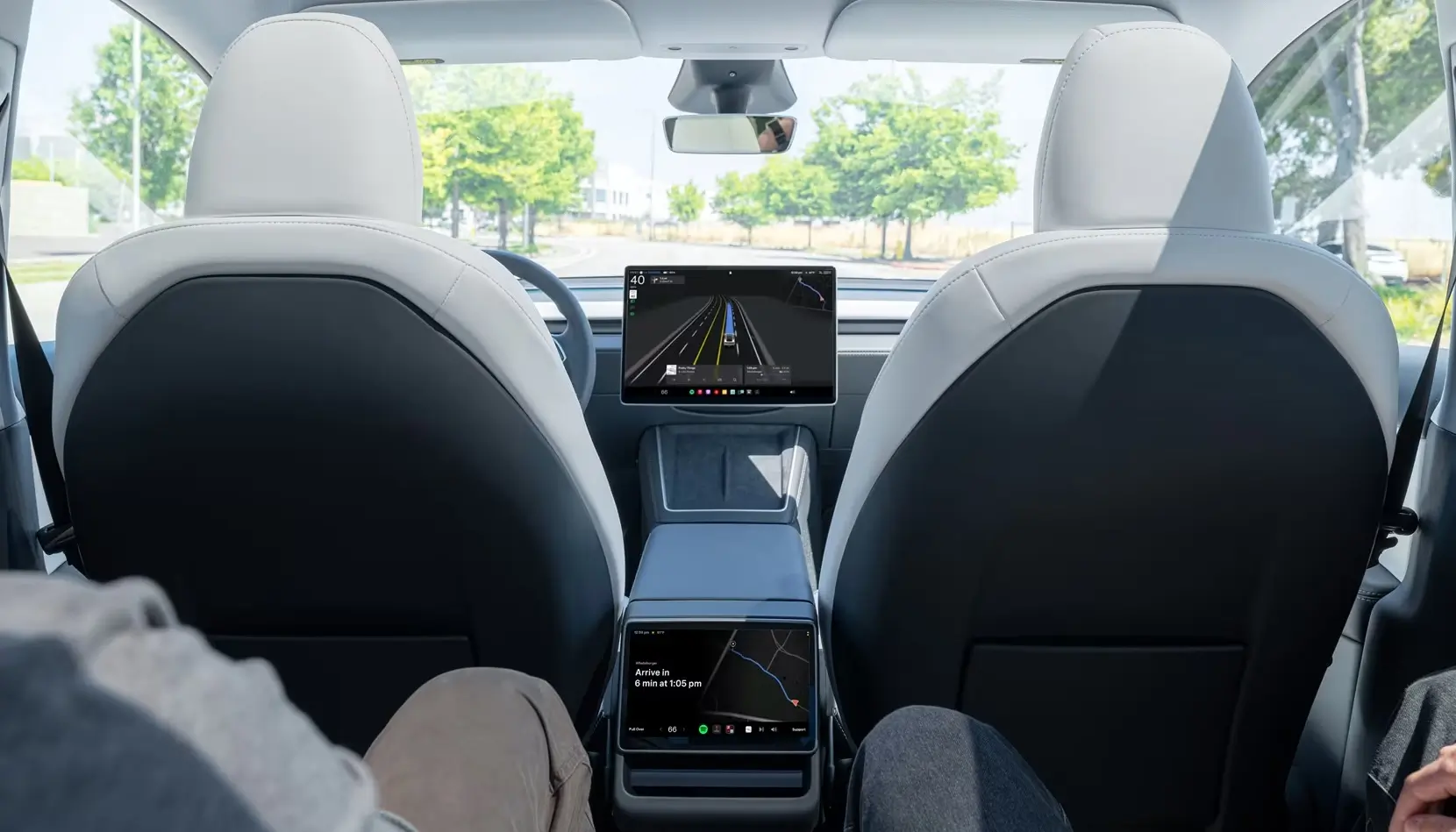
Austin, Texas, is where Tesla first launched its autonomous ride-hailing program. Starting with a limited fleet of Model Y vehicles, each monitored by a Tesla employee for safety, the program serves as a live pilot for refining technology and user experience. The goal is clear: expand the fleet to 1,000 vehicles in the coming months, solidifying Austin as a pivotal hub for autonomous transport.
San Francisco Bay Area: The Next Frontier
CEO Elon Musk has set sights on the high-tech corridor of the San Francisco Bay Area. Tesla aims to introduce the Robotaxi service within a month or two, pending regulatory approvals. The phased approach in California is evident with Tesla’s application for a transportation charter-party carrier permit, initially focusing on pre-arranged rides for its employees.
Introducing the Cybercab: A Glimpse into the Future
A central component of Tesla’s future autonomous fleet is the Cybercab, a revolutionary two-seater vehicle devoid of a steering wheel. Designed to enhance the Robotaxi experience, the Cybercab promises a new paradigm in ride-sharing, prioritizing passenger comfort with cutting-edge technology.
Key Differentiators of the Cybercab
- Design and Functionality: Unlike traditional vehicles, the Cybercab’s minimalist design focuses on passenger interaction and autonomous operation.
- Technological Integration: Equipped with advanced sensors and self-driving capabilities, the Cybercab exemplifies Tesla’s commitment to innovation.
Safety: A Paramount Concern
Despite the drive for innovation, safety remains Tesla’s utmost priority. The current pilot program, which involves staff in the passenger seat to oversee operations, highlights the cautious approach Tesla is taking. As the technology matures, continued emphasis on stringent safety protocols and enhancement will be crucial.
Insights and Implications
Tesla’s journey to expand its Robotaxi services is significant for several reasons:
- Regulatory Landscape: Working collaboratively with state regulators sets a precedent for Tesla as a responsible leader in autonomous technology.
- Consumer Adoption: The success of these initiatives could catalyze widespread acceptance and demand for autonomous vehicles.
- Economic Impact: With expanded services, new jobs in technology support and operations could emerge, driving economic growth.
Tesla’s foray into the autonomous ride-sharing domain is a testament to its innovation-driven approach and strategic market positioning. As the company progresses with its Robotaxi certification and expansion, it will not only redefine transportation but also set new benchmarks in autonomous vehicle operations worldwide.