Tesla Robotaxi Expands in Austin, Eyes Bay Area Launch Soon
Key Takeaways
- Tesla is expanding its Robotaxi pilot program in Austin, set to cover more of the city soon.
- Plans for a Robotaxi launch in the San Francisco Bay Area are underway, with potential regulatory approval in a month or two.
- Elon Musk emphasizes the importance of Robotaxis for Tesla’s long-term growth and profitability amid challenges in EV sales.
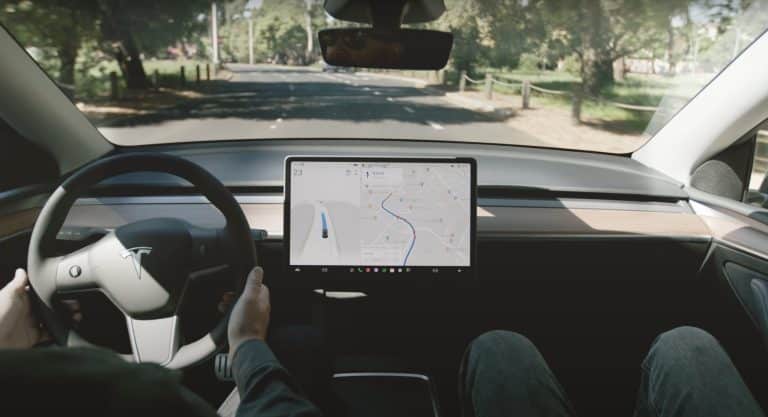
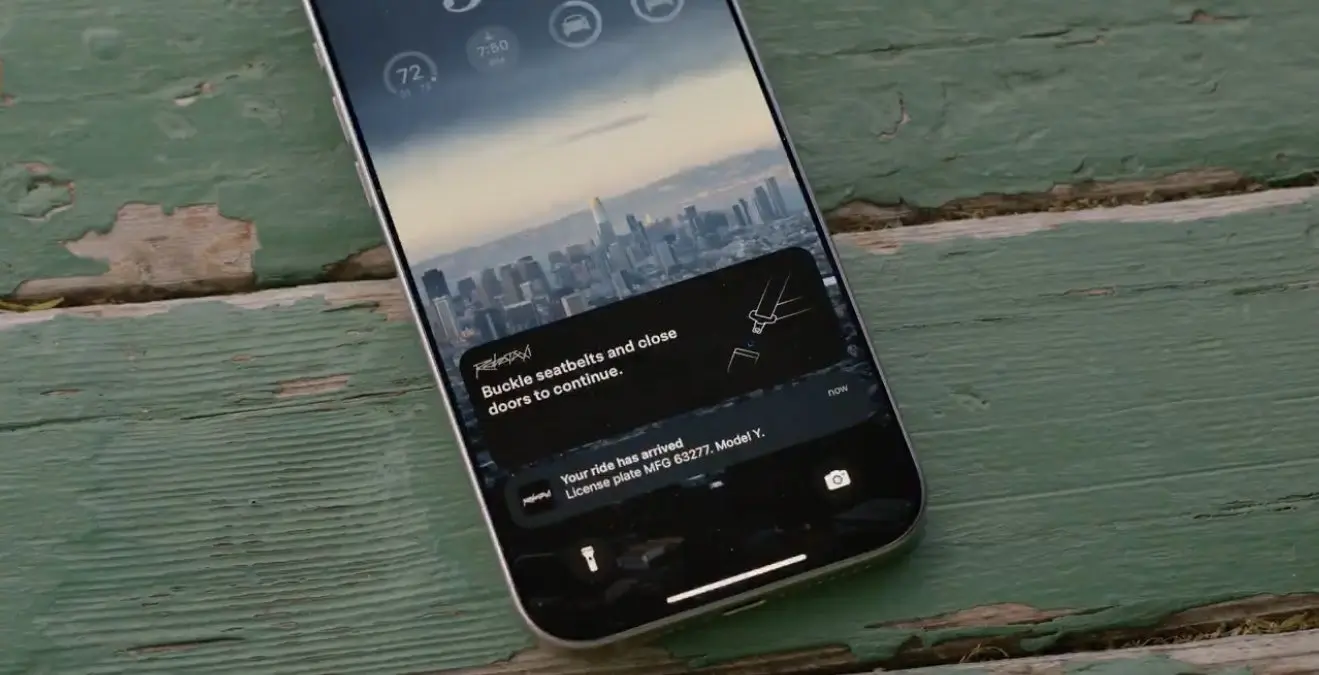
- Currently, a Tesla employee monitors vehicles during the pilot, with positive feedback from users on ride quality.
- The Austin pilot charges a flat fee of $4.20 per ride, although future monetization strategies remain unspecified.
As Tesla continues to innovate and set benchmarks in the electric vehicle industry, their latest venture into the realm of autonomous transportation is making waves. The recent expansion of Tesla’s Robotaxi pilot program signifies more than just a technological advancement; it underscores a monumental step towards reshaping urban mobility.
Understanding Tesla’s Vision for Robotaxis
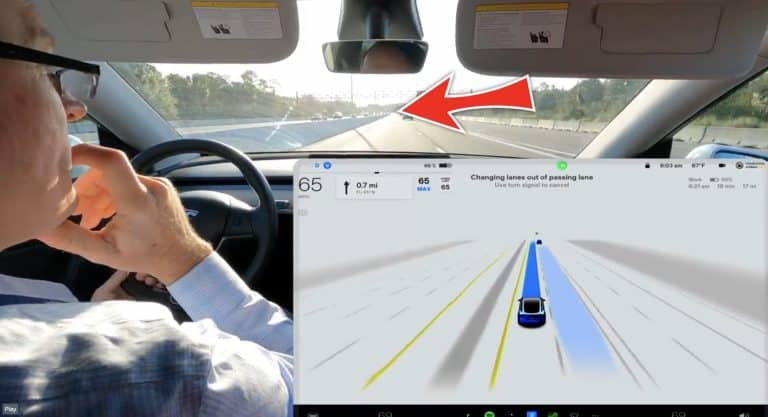
Tesla’s Robotaxi initiative is not merely an expansion of infrastructure; it’s a revolutionary move towards integrating AI-driven solutions in daily commuting. As the world grapples with urban congestion and environmental challenges, autonomous vehicles could emerge as a sustainable alternative.
1. Austin’s Robotaxi Pilot: An Inside Look
The expansion of the Robotaxi pilot program in Austin, Texas, allows Tesla to gather crucial insights into the operational dynamics and public reception of autonomous taxis. Here are key points about this development:
- Service Expansion: Initially limited to select areas, Tesla’s Robotaxi services are set to cover a larger part of Austin, commencing soon. This will provide more users the opportunity to experience autonomous transportation.
- Operational Oversight: Currently, Tesla employs personnel to monitor these vehicles, ensuring smooth operations and immediate human intervention if necessary. This human oversight has been crucial in maintaining the quality and reliability of service.
- User Feedback: The initial feedback from users in Austin highlights the smooth and comfortable ride quality, suggesting that Tesla’s autonomous driving technology is being well-received.
- Flat Fee Pricing: Tesla’s Austin pilot charges a consistent rate of $4.20 per ride, yet details on future pricing and monetization strategies remain unannounced.
2. Creating Buzz in the San Francisco Bay Area
Beyond Austin, Tesla sets its sights on the San Francisco Bay Area, a region synonymous with technological innovation. Here’s what to know about the Bay Area launch:
- Regulatory Hurdles: Tesla is actively pursuing regulatory approval with aims to launch their Robotaxis there in the coming months. This approval is a critical step in their expansion strategy.
- Symbolic Launch: Establishing a presence in the Bay Area is noteworthy as Tesla’s headquarters was situated in the area until recently. A return signifies Tesla’s enduring connection with Silicon Valley’s innovative spirit.
The Bigger Picture: Tesla’s Long-Term Strategy
Tesla’s foray into autonomous transportation isn’t an isolated initiative; it is a strategic move aligned with the company’s broader vision.
Vision and Profitability
- Elon Musk’s Perspective: Autonomy is key to Tesla’s roadmap for sustained growth and differentiation from competitors. Musk has long touted the potential profitability of self-driving technologies, viewing Robotaxis as pivotal for Tesla’s financial future.
- Market Differentiation: As electric vehicle sales face challenges globally, expanding autonomous capabilities could offer Tesla a distinct edge in the crowded automotive sector.
Challenges and Opportunities
- Monetization and Scalability: While the Austin pilot’s nominal flat fee serves as a trial benchmark, scalable pricing models that can support broader deployment both financially and operationally remain crucial for Tesla’s success.
- Technological Dependence and Innovation: As an AI-driven solution, Robotaxis depend on continuous advancements in machine learning and sensor technologies. Tesla must navigate these complexities adeptly to maintain its competitive edge.
Driving Towards an Autonomous Future
Tesla’s Robotaxi programs in Austin and the planned Bay Area expansion represent more than a technological milestone; they are indicative of a paradigm shift in urban transportation. As Tesla continues to pilot, refine, and expand its services, it forges a path towards a future where autonomous vehicles could fundamentally alter the landscape of city mobility.