Tesla Robotaxi Requires First Human Intervention During Test Drive
Key Takeaways
- The Tesla Robotaxi platform had its first true intervention requiring a safety monitor nearly 60 hours after launch.
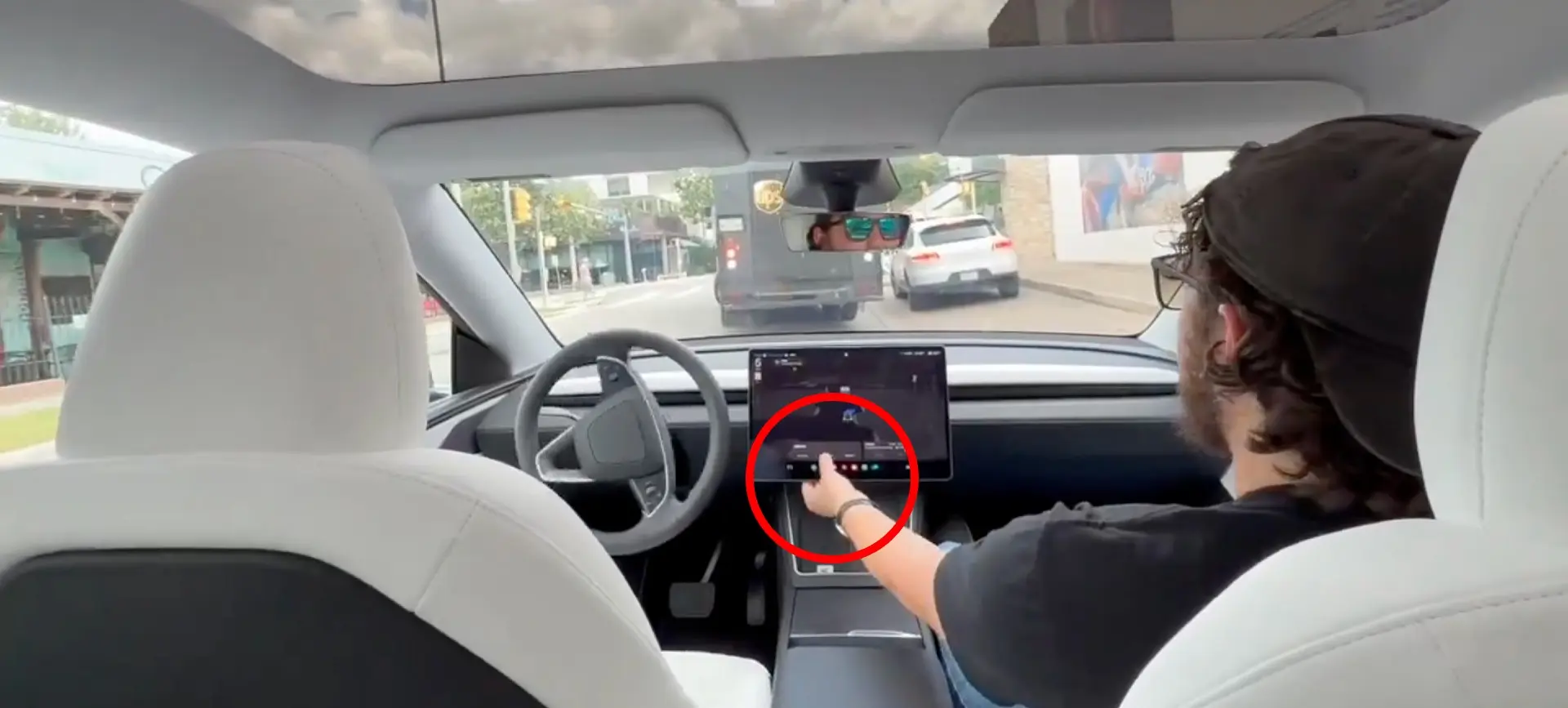
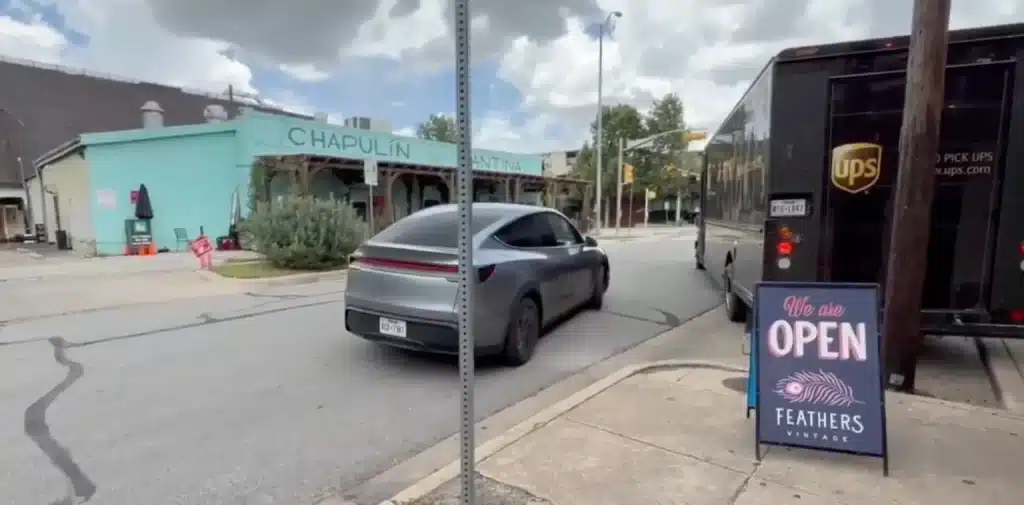
- A specific incident involved a UPS truck parallel parking, which confused the Robotaxi and led to the monitor’s intervention.
- While minor issues have been observed in the Robotaxi fleet, this was the first noteworthy error that required human oversight.
- CEO Elon Musk emphasizes safety as a priority during the Robotaxi rollout, indicating that human monitors will remain necessary for now.
- Incidents like this highlight the growth phase of autonomous technology, with Tesla learning from rare occurrences to improve safety.
Tesla’s Robotaxi platform has officially hit a significant milestone—and encountered its first major challenge—since its launch over 60 hours ago. While autonomous vehicles represent the forefront of technological advancement, they are not without their pitfalls. Let’s delve deeper into the first true intervention this revolutionary technology faced and explore what it means for the future of autonomous driving.
A Prelude to Interventions: Tesla’s First Major Hiccup
The Tesla Robotaxi, an ambitious venture into the realm of driverless vehicles, experienced its first substantial issue requiring a safety monitor to step in. In an unfortunate encounter, a UPS truck’s attempt to parallel park sent the Robotaxi into a state of confusion, prompting the in-car safety monitor to intervene swiftly. This incident underscores the importance of human oversight in trial phases, reminding us that despite their remarkable capabilities, autonomous vehicles are still in the developmental stages of learning to anticipate and react to complex real-world scenarios.
Understanding the Incident
- The Scene: A UPS truck attempting to parallel park unexpectedly in front of the Robotaxi.
- The Confusion: The Robotaxi’s inability to process the UPS truck’s maneuvering led to a necessary intervention.
- The Solution: The safety monitor, positioned in the passenger seat, quickly pressed the “Stop in Lane” button on the touchscreen, ensuring safety and preventing potential mishaps.
Safety as a Paramount Concern
Tesla’s commitment to safety remains unwavering, with CEO Elon Musk consistently highlighting this priority. Although the technology underpinning the Robotaxi is incredibly advanced, it is not yet infallible. Thus, human monitors are employed as a vital safety net during these early stages. This incident brings to light not just an isolated issue but offers important lessons for the entire industry as it strives for safer, more reliable autonomous solutions.
Growing Pains in Autonomous Tech
As we witness this pioneering phase in autonomous vehicle technology, understanding its challenges becomes crucial:
- Human-like Decisions: Autonomous vehicles like the Tesla Robotaxi are developing the ability to mimic human decision-making processes. However, they must navigate a fine line between mimicking and real-time adaptability, especially in unforeseen situations.
- Complex Real-world Scenarios: Vehicles must learn to interpret and respond to various driving dilemmas—some predictable, others not. The UPS incident is a case study in the unexpected scenarios these vehicles will encounter.
- Continual Learning and Adaptation: Tesla’s experience with interventions like this one signals a phase of growth and evolution, pushing the boundaries of what these machines can autonomously achieve.
Roadmap to the Future
The recent intervention points to a future where autonomous vehicles not only function independently but handle unplanned interactions smoothly, thereby reducing the need for human intervention entirely. Tesla, alongside other industry players like Waymo, is working tirelessly toward this vision. Here’s what can be anticipated moving forward:
- Technological Refinements: Addressing the algorithmic deficiencies that led to the confusion with the UPS truck.
- Enhanced Safety Protocols: Ensuring that if similar situations arise, the vehicles have improved protocols to manage them without necessitating human input.
- Broader Industry Impacts: As more data is gathered from these rare intervention cases, other automotive companies stand to benefit from Tesla’s findings, propelling the entire industry’s advancements forward.
Tesla’s first significant intervention with its Robotaxi platform is more than just a mere bump in the road; it’s an invaluable learning experience. It highlights the dual necessity of sophisticated modern technology and conventional human judgment during the pioneering stages of autonomous vehicles. With this critical insight, Tesla and the broader industry are driven to innovate and refine autonomous solutions, steadfastly advancing toward a fully autonomous future where safety and efficiency coexist seamlessly.