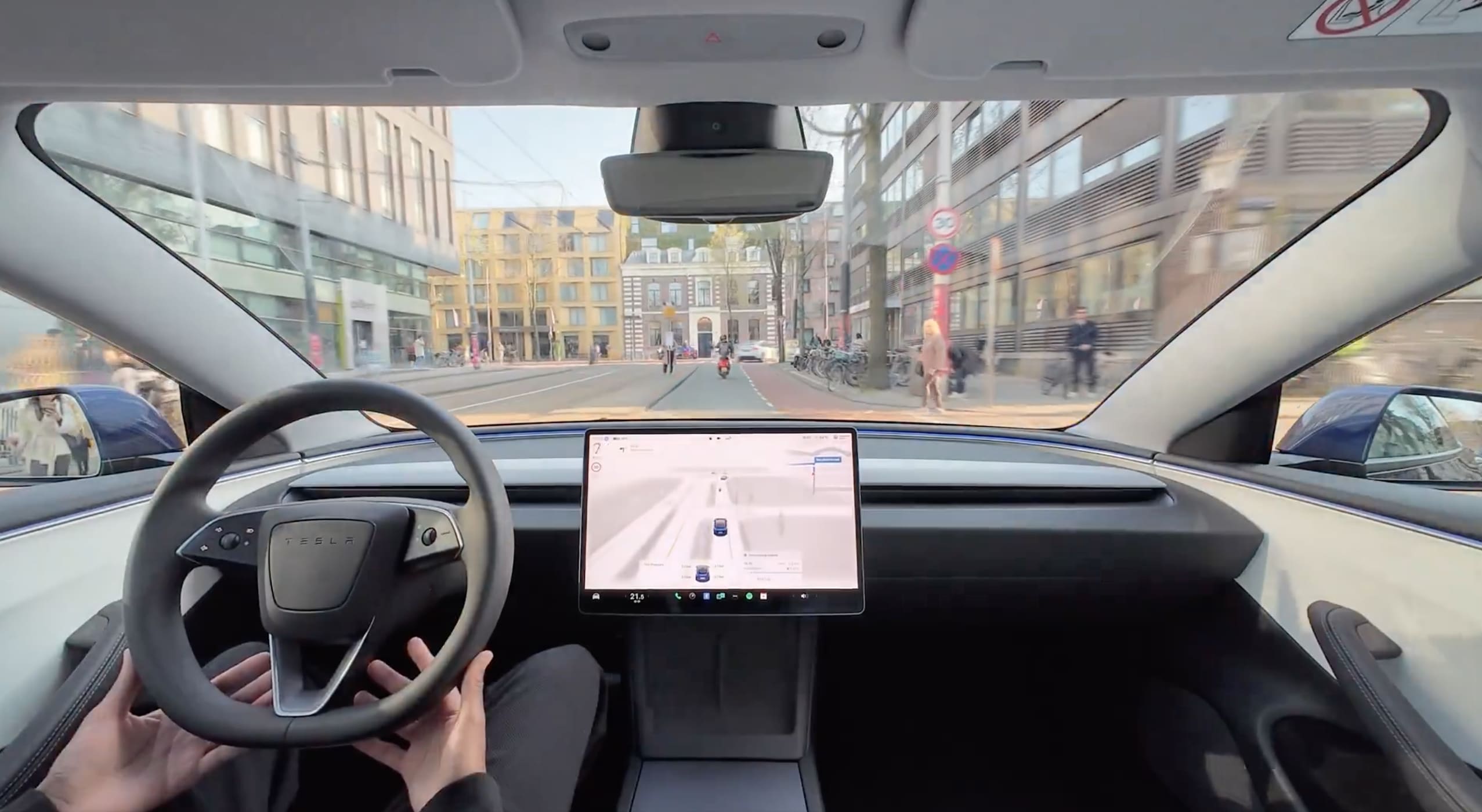
Navigating the Roadblocks: Tesla’s Journey Towards Full Self-Driving in Europe and Beyond
Key Takeaways
- Tesla’s Full Self-Driving technology is facing regulatory delays in Europe, according to CEO Elon Musk.
- Musk expressed frustrations with the slow approval processes from the Dutch government and EU officials.
- The delays in launching Full Self-Driving are believed to hinder the safety benefits it could provide over human driving.
- A completely driverless Robotaxi platform is set to launch in the U.S. soon, with public rides expected to start on June 22.
- The first driverless Robotaxi was recently spotted in Austin, where Tesla has obtained the necessary operational license.
In the rapidly evolving landscape of automotive innovation, Tesla has consistently been at the forefront, pushing boundaries with its cutting-edge technologies. Among its breakthrough innovations, Tesla’s Full Self-Driving (FSD) technology is a beacon of what the future of transportation might look like. However, as with any pioneering effort, Tesla’s FSD journey is fraught with challenges, most notably the regulatory hurdles it faces in Europe. Meanwhile, in the U.S., a different story unfolds with the imminent launch of Tesla’s Robotaxi platform. This blog post delves into these developments, examining the reasons behind the European delays, the anticipation around the U.S. launch, and what the future holds for Tesla’s autonomous driving efforts.
Understanding the Regulatory Landscape in Europe
The Road to Approval
Elon Musk, CEO of Tesla, has been vocal about his frustration with the slow approval processes in Europe, particularly citing delays from the Dutch government and broader EU governing bodies. The company had initially set its sights on launching the Full Self-Driving suite in Europe by 2025. However, the intricate web of regulatory requirements presents substantial roadblocks.
Reasons Behind the Delays
The primary reasons for these delays lie in the stringent safety and operational standards required by European regulators. Here are some key factors contributing to the slow progress:
- Diverse Regulatory Bodies: Each country within the European Union has its regulatory framework, often leading to a protracted and complex bureaucratic process.
- Safety Concerns: Given the nascent nature of autonomous technology, EU regulators prioritize comprehensive safety checks to protect citizens.
- Technological Assessment: Regulators require extensive testing and validation to ensure the technology meets high reliability standards.
These factors collectively contribute to what Musk deems as a hindrance to providing a safer alternative to human-driven vehicles.
The Promise of Safety Through Technology
One of the core arguments Musk presents is the safety enhancement that Tesla’s FSD could offer. Autopilot’s statistical data suggests that autonomous driving technologies have the potential to significantly reduce human error, a leading cause of road accidents. Despite the regulatory obstacles, this vision of increased roadway safety is a compelling argument in favor of speeding up the approval processes.
Tesla’s U.S. Expansion: The Robotaxi Revolution
A New Era of Ridesharing
While hurdles impede the European launch, Tesla’s Robotaxi platform is poised to make waves in the U.S. With the first driverless Robotaxi recently spotted in Austin, Texas, the anticipation is building for the platform’s official launch slated for June 22.
Initial Launch and Future Expansion
Tesla is strategically rolling out its Robotaxi service in Austin, having secured the necessary licenses to operate as an Autonomous Vehicle provider. The company has its sights set on expanding this service, with California likely next in line based on past reports.
The Road Ahead
Tesla’s journey towards Full Self-Driving and the launch of its Robotaxi platform reflects the broader narrative of technological disruption. The regulatory challenges in Europe highlight the cautious approach needed when integrating groundbreaking technologies into society. Conversely, the U.S. launch underscores a more flexible regulatory environment, fostering innovation.
For consumers and industry watchers, these developments are not just about reaching destinations without a driver but about revolutionizing how we perceive transit and safety. As Tesla navigates these challenges, the world watches, eager to embrace the future of autonomous travel.