Navigating the Chaos: Waymo’s Operational Halt Amidst Protest Turmoil
Key Takeaways
- Waymo has suspended driverless taxi operations in parts of LA and San Francisco due to violent protests.
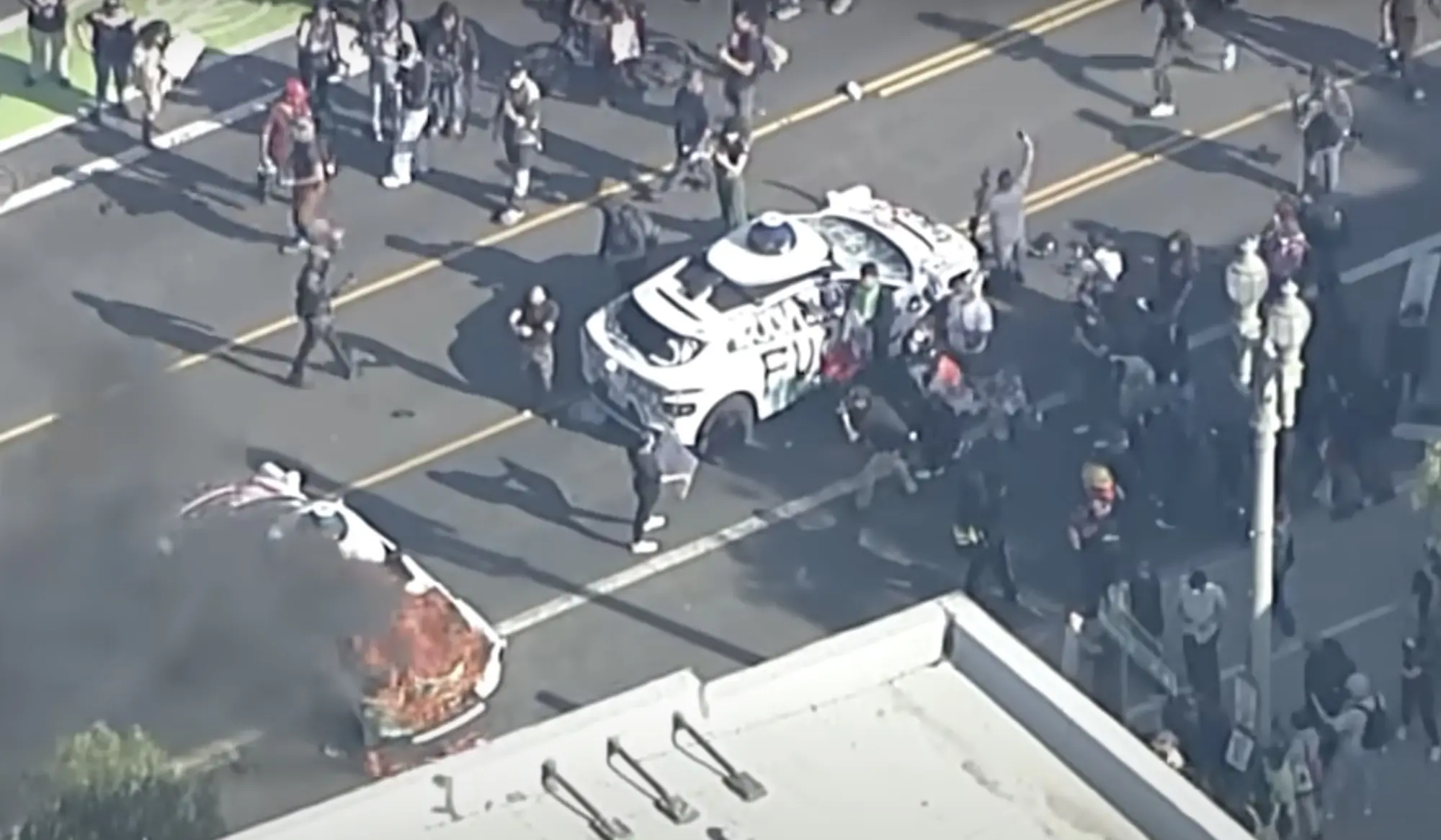
- Several Waymo Jaguar I-Pace robotaxis were vandalized and set ablaze during anti-ICE demonstrations.
- California Governor Gavin Newsom criticized the deployment of National Guard troops during the protests, calling it unconstitutional.
- Each Waymo robotaxi is valued between $150,000 and $200,000, highlighting the financial impact of the vandalism.
- The Los Angeles Police Department advised avoiding downtown areas due to hazards from burning lithium-ion batteries.
- Waymo claims there is no evidence its vehicles were specifically targeted during the protests, even though they were in close proximity.
In recent days, the bustling streets of Los Angeles and San Francisco have witnessed not only the energy of ongoing protests but also the abrupt cessation of technological advancement in transportation. Waymo, Alphabet’s autonomous vehicle arm, has taken the drastic step of suspending its driverless taxi services in select areas. This decision comes after an intense wave of protests against U.S. Immigration and Customs Enforcement (ICE) operations led to the damaging of several of its robotaxis. As the dust settles, many are left pondering the intricate relationship between public sentiment, cutting-edge technology, and corporate responsibility.
The Decision to Suspend: What Happened?
Waymo’s suspension of services was a strategic, albeit necessary, response to escalating violence during protests. Initially sparked by national tensions over immigration enforcement policies, the protests in California took a destructive turn, affecting local communities and businesses. This violent strand saw several Waymo Jaguar I-Pace vehicles vandalized, bringing to light the vulnerabilities of unmanned technology in unpredictable environments.
Understanding the Financial Repercussions
From a fiscal perspective, the vandalism presents a significant loss. These robotaxis, each valued between $150,000 and $200,000, embody substantial financial and technological investments. The destruction not only translates to immediate monetary losses but also impacts Waymo’s long-term operational strategy and investor confidence. The event underscores the broader economic implications of civil unrest on technological assets.
The Role of Civic Governance and Safety Concerns
Amidst the chaos, California Governor Gavin Newsom’s public critique of National Guard deployments during these protests highlights the complexity of state versus federal jurisdiction in maintaining law and order. Terming the decision as unconstitutional points towards a broader dialogue about governance, civil rights, and state autonomy.
Safety Precautions Undertaken
In light of the violence, the Los Angeles Police Department issued warnings about toxic fumes emanating from burning lithium-ion batteries—a unique hazard posed by damaged electric vehicles. This cautionary measure emphasizes the need for preparedness and risk management in urban planning, especially concerning emerging technologies.
Waymo’s Perspective: Targeted or Incidental?
In a statement, Waymo maintained there was no specific targeting of its vehicles, suggesting their destruction was collateral in a broader sweep of civil disobedience. This assertion raises important questions about the societal perceptions of autonomous technologies. Is there an undercurrent of resistance against emerging technologies perceived as symbols of corporate power or economic disparity?
Future Considerations: Learning and Adapting
This incident opens a myriad of discussions about the future integration of autonomous vehicles in society. How can companies like Waymo better equip their technologies to avoid such risks? More broadly, what is the social contract between tech innovators and the communities they serve?
Steps for Moving Forward
- Enhanced Risk Assessment: Waymo, and indeed the wider autonomous vehicle industry, must adopt comprehensive risk assessment protocols focusing on geographical and socio-political factors.
- Community Engagement: Building strong relationships with local communities could be pivotal in aligning technological progress with societal expectations.
- Policy Collaboration: Engaging with policymakers to establish frameworks that protect investments while respecting civic freedom can foster a more harmonious tech proliferation.
Bridging Technology and Society
The suspension of Waymo’s service amid protests offers a microcosm of the challenges faced at the intersection of technology and society. As autonomous vehicles edge closer to mainstream adoption, incidents like these serve as critical learning points for stakeholders across the spectrum. The road to the future is undoubtedly complex, but with careful consideration and communal collaboration, it can be navigated more smoothly.