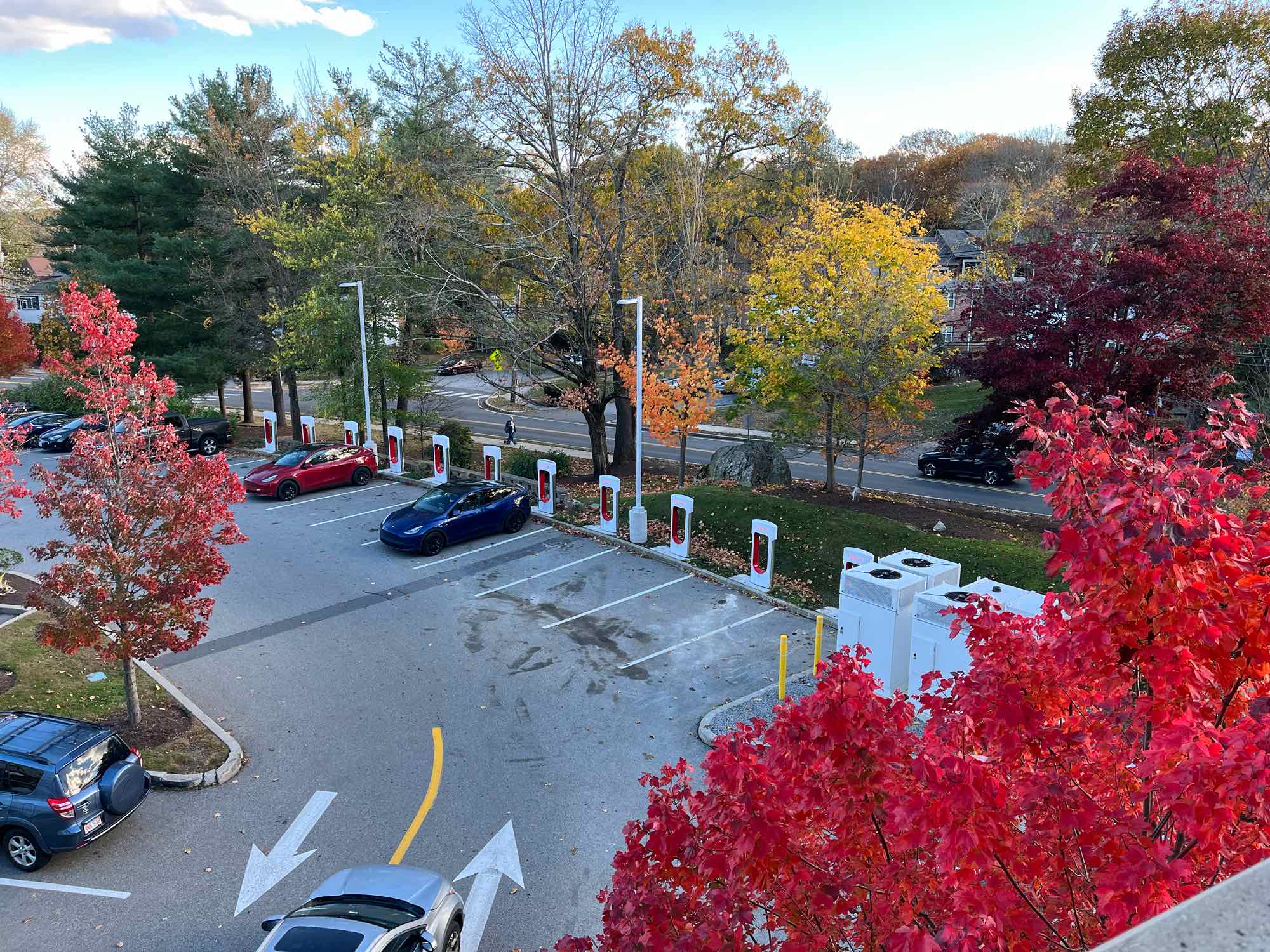
Tesla Superchargers Shutdown on the NJ Turnpike: What’s Behind the Decision?
Key Takeaways
- Tesla is required to shut down 64 Superchargers on the New Jersey Turnpike due to a new contract with a third-party provider.
- The NJ Turnpike Authority (NJTA) chose a different supplier despite Tesla’s Superchargers being open to all EVs and known for reliability.
- Elon Musk speculates that the decision may be influenced by political motivations or corruption, given past vocal criticisms of Tesla from politicians like Governor Tim Walz.
- Tesla has preemptively built 116 additional charging piles near the Turnpike to ensure continued access for drivers after the shutdown.
The decommissioning of Tesla’s Superchargers on the New Jersey Turnpike has sparked considerable discussion and speculation. This unprecedented move raises questions about the motivations behind the decision, political implications, and impacts on electric vehicle (EV) drivers. This blog post delves into the key issues surrounding the situation, providing insights and exploring potential future scenarios.
Understanding the Decision
Why are Tesla’s Superchargers Being Shut Down?
Tesla is set to decommission 64 Supercharger stations on the New Jersey Turnpike due to the New Jersey Turnpike Authority’s (NJTA) new contract with a third-party provider. This decision, announced recently, requires Tesla to dismantle its existing infrastructure along one of the nation’s busiest roads.
Choice of a New Supplier
The NJTA’s decision to select a different supplier comes as a surprise, given that Tesla’s Superchargers are not only accessible to all EVs but are also praised for their reliability. This shift in suppliers suggests a strategy shift possibly aimed at fostering competition or aligning with broader strategic goals that aren’t immediately clear to the public.
Elon Musk’s Response and Concerns
Elon Musk, Tesla’s outspoken CEO, has not shied away from expressing his concerns. Speculations around the decision indicate that there could be political motivations or even elements of corruption at play. Politicians such as Minnesota Governor Tim Walz have previously criticized Musk and Tesla, and it’s not entirely unlikely that these criticisms have influenced current developments.
The Impact on EV Drivers
Preparing for Change
Despite the setback, Tesla was aware of this potential outcome and has been proactive in mitigating the impact on its customers. The company has established 116 additional charging stations outside of the Turnpike, ensuring that drivers still have access to reliable charging solutions post-shutdown.
Broader Implications
The removal of Tesla Superchargers could influence EV drivers’ experiences on one of the most heavily used roadways in the United States. This decision may inconvenience drivers and could be perceived as a step backward in promoting electric vehicle adoption, particularly when accessibility and reliability are key factors for consumers considering the switch to EVs.
Future Considerations
The events in New Jersey might set a precedent for other states and regions. It’s essential to monitor how other authorities and stakeholders in the EV ecosystem respond to similar situations. The balance between fostering competition, ensuring fair access, and maintaining quality service will be critical in the ongoing transition to sustainable energy solutions.
The New Jersey Turnpike decision reflects the complexities and challenges within the rapidly evolving EV landscape. While Tesla’s infrastructure remains highly regarded, the competition is crucial in pushing innovation and development. For Tesla, frequent assessments, strategic expansions, and open discussions with stakeholders will be vital in maintaining its market leadership.