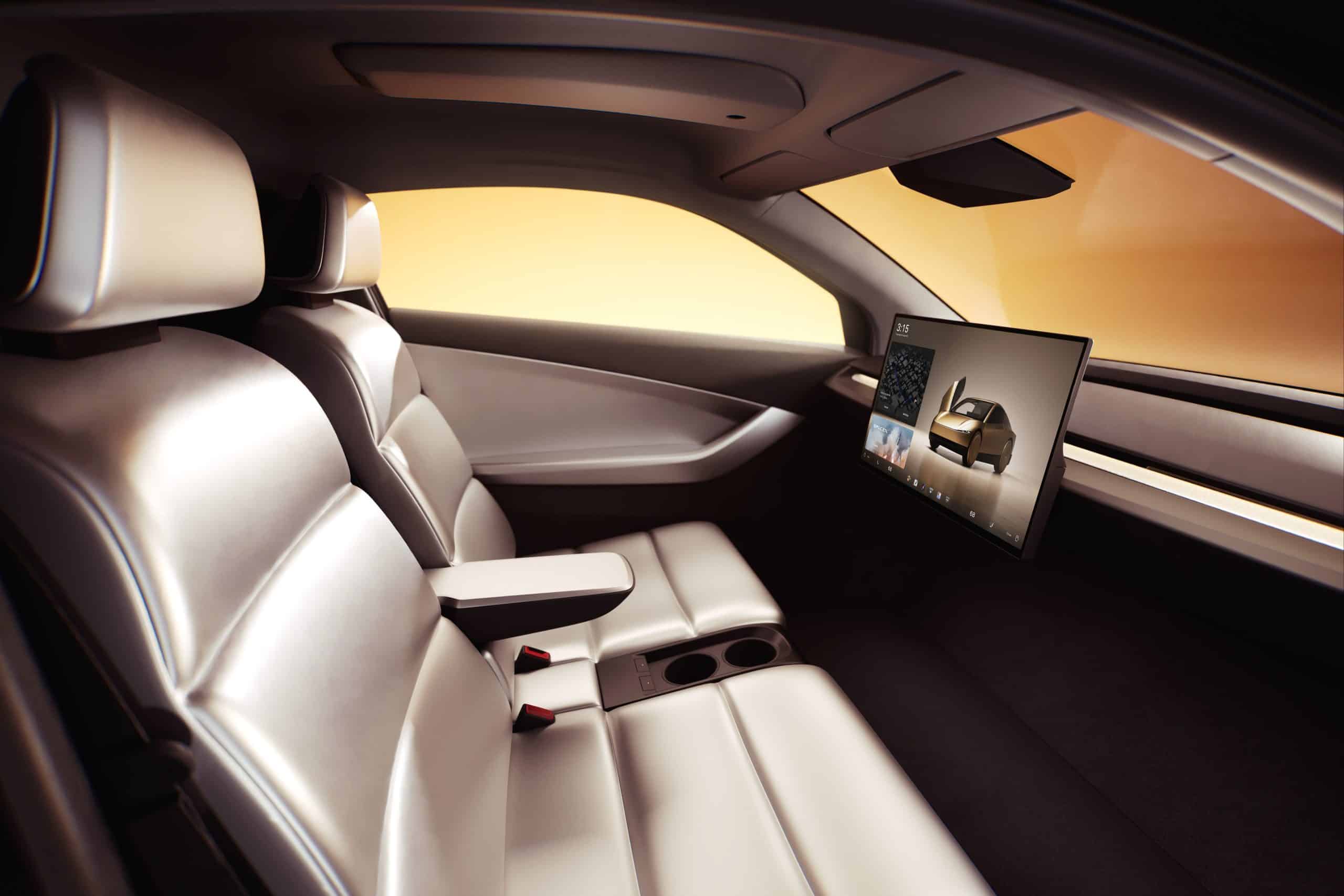
Robotaxi Not Even Released—But Already Branded a Failure by Critics
Key Takeaways
- Tesla Robotaxi’s launch is pending, with opinions deeming it a failure despite its unreleased state.
- Media coverage like Futurism leans heavily on criticism, citing Tesla critic Dan O’Dowd without balancing it with positive perspectives.
- Tesla’s FSD (Full Self-Driving) isn’t perfect, but still demonstrates significant safety advancements compared to the national average.
- Tesla has historically missed timelines but is taking a controlled approach with an initial private rollout in Austin.
- Tesla’s Vehicle Safety Report highlights Autopilot-enabled cars as being less accident-prone, showcasing advancements, though it differs from FSD.
- Criticism is aimed at Tesla whether it pursues a small-scale rollout or a full launch, showing the polarized views in the media.
- NHTSA’s request for information on Tesla’s tech is standard, recognizing Robotaxi as one of the first US driverless ride-sharing initiatives.
- The media’s preemptive negative judgment contrasts with the potential of Tesla Robotaxi as a transformative innovation.
The upcoming launch of Tesla’s Robotaxi has stirred significant debate in the automotive and tech industries, with media outlets splitting into factions of skepticism and cautious optimism. As Elon Musk’s ambitious project approaches its initial rollout in Austin, industry experts and everyday observers alike are fixated on whether Tesla can redefine urban mobility or if it will fall short of expectations.
The Current Landscape of Tesla’s Robotaxi
Tesla’s Robotaxi represents one of the most anticipated developments in autonomous vehicle technology. However, with intense scrutiny and significant media coverage, not all attention has been positive. Publications like Futurism have highlighted critical voices, notably Dan O’Dowd, a well-known critic of Tesla’s Full Self-Driving (FSD) program. Such perspectives often focus on perceived shortcomings and potential failures, drawing conclusions before the vehicle has even officially launched.
Evaluating Tesla’s Track Record
Full Self-Driving Capabilities
Tesla’s FSD technology, while not without flaws, has consistently demonstrated substantial safety advancements. According to Tesla’s Vehicle Safety Report, cars equipped with Autopilot are nearly ten times less likely to be involved in accidents compared to the national average. Though Autopilot is not exactly the same as FSD, this statistic underscores Tesla’s progress in developing safer driver assistance systems.
Managing Expectations and Rollout Plans
Historically, Tesla has faced criticism for missing ambitious timelines, especially in the realm of FSD. However, in a strategic pivot, Tesla plans a gradual Robotaxi rollout, initially deploying a controlled fleet of 10-20 Model Y vehicles for private users, specifically starting in Austin. This strategy contrasts with earlier promises of expansive public access but illustrates a more cautious approach aimed at ironing out issues before broader implementation.
Media Narrative: Criticism vs. Potential
The media coverage surrounding Tesla’s Robotaxi reveals a divided landscape. Skeptics voice doubts about Tesla’s ability to meet its targets, while proponents see it as a groundbreaking step toward a future of autonomous public transportation. This dichotomy highlights the polarized views that Tesla often evokes—each rollout or announcement scrutinized under a public magnifying glass.
NHTSA and Regulatory Considerations
Recent inquiries from the National Highway Traffic Safety Administration (NHTSA), seeking details on how Tesla’s technology handles visibility challenges, are standard procedural steps for pioneering initiatives like Robotaxi. These regulatory checks are crucial for ensuring safety and reliability, especially for one of the first US implementations of a driverless rideshare program.
Navigating the Road Ahead
Despite the preemptive judgments and media critiques, the potential of Tesla’s Robotaxi to revolutionize urban transportation remains significant. As Tesla navigates the challenges of innovation, controlled testing and regulatory collaboration will be vital in demonstrating the viability of driverless vehicle technology on a broader scale.
For Tesla enthusiasts and critics alike, the true test will be observed in real-world application and the company’s ability to deliver on its promise of a safe, reliable, and scalable autonomous taxi service.