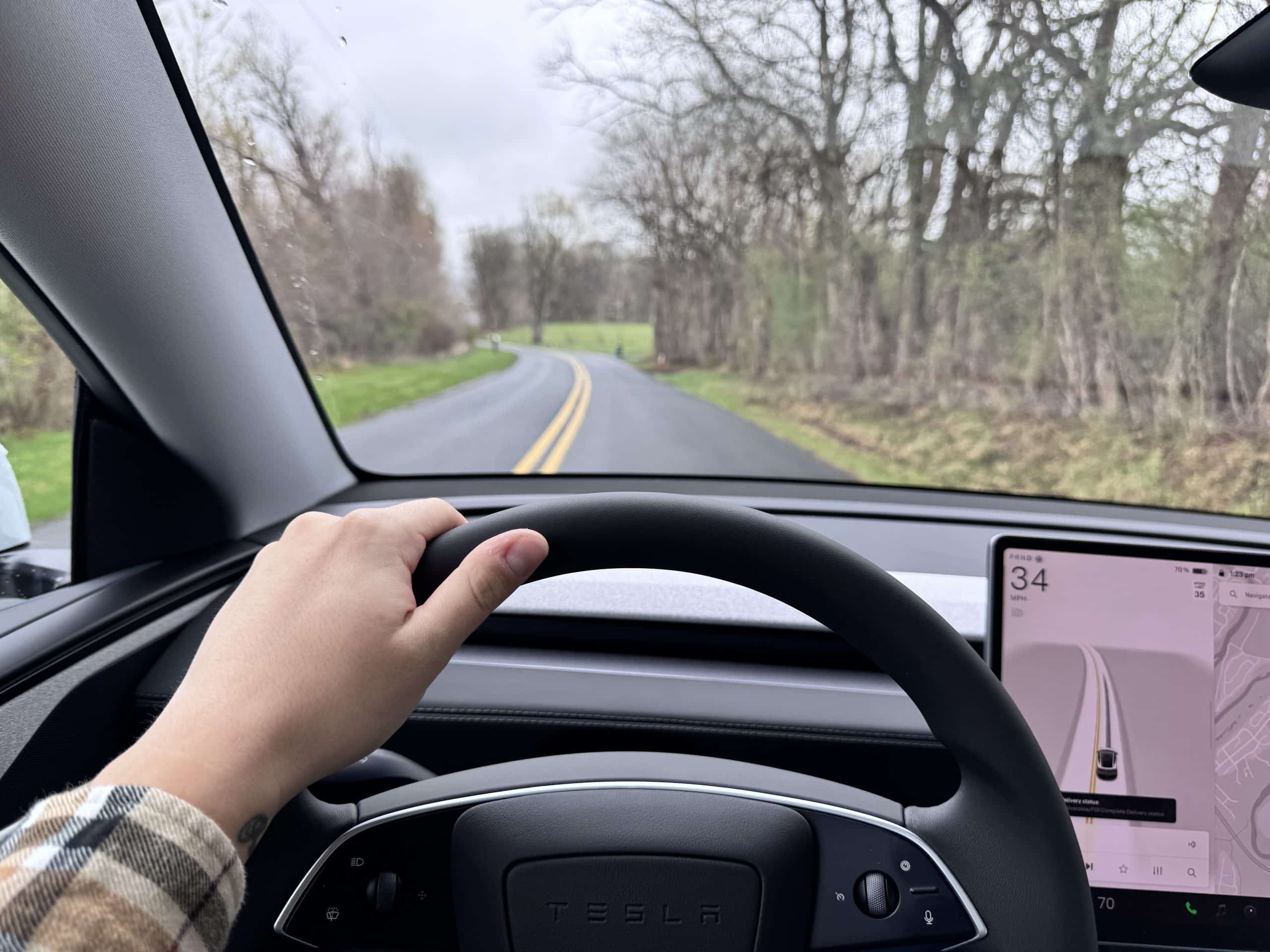
Tesla’s Full Self-Driving Just Became Way Less Annoying
Key Takeaways
- Tesla confirmed a fix for an annoying feature in their Full Self-Driving system.
- The system tracks driver attention through a cabin-facing camera to enhance safety.
- FSD previously nudged drivers for inattentiveness too quickly, even during minor adjustments.
- Drivers felt the alerts were triggered faster than the supposed seven-second limit.
- CEO Elon Musk acknowledged the issue, agreeing the alerts were too fast and annoying.
- Tesla’s Head of AI, Ashok Elluswamy, confirmed the change, calling it much needed.
- The adjustment is reportedly available in vehicles with Hardware 4, addressing the sensitivity of alerts.
- The prompt change came after vocal feedback from Tesla owners.
In recent developments, Tesla enthusiasts and owners have welcomed a crucial update to the car manufacturer’s Full Self-Driving (FSD) system. Known for pioneering advances in autonomous vehicle technology, Tesla has taken vital steps to address a long-standing grievance regarding its FSD system. The company has responded promptly to feedback by modifying a feature that many drivers found frustrating. In this blog post, we delve into this update, exploring its implications, functionality, and the future of Tesla’s autonomous driving technologies.
Understanding the Issue: FSD’s Overly Sensitive Nudges
The function and initial shortcomings
Tesla’s FSD system, an ambitious project aiming to enable fully autonomous driving, relies heavily on monitoring driver attentiveness. This is managed through a cabin-facing camera that observes eye movements to ensure safety and minimize risks. Previously, the system issued nudges to remind drivers to focus on the road if it detected inattention, even for trivial activities such as adjusting HVAC settings or Autopilot controls. These nudges were perceived as excessively sensitive, with many drivers reporting alerts being triggered faster than the intended seven-second limit.
Impact on the driving experience
While the intent behind these alerts was to enhance safety, the execution came across as intrusive to the driving experience. This led to significant feedback from Tesla drivers who felt that the alerts compromised convenience and assumed more control than necessary during routine adjustments.
Prompt Response from Tesla Leadership
Acknowledgment of the issue
Elon Musk, Tesla’s CEO, recognized this oversight and agreed with users that the system was indeed a bit too eager in delivering these nudges. His acknowledgment of this widespread concern marked the first step towards finding a solution.
Official confirmation of updates
Tesla’s commitment to continuous improvement surfaced through Ashok Elluswamy, the company’s Head of AI and Autopilot, who confirmed that modifications were not just eminent but necessary. This acknowledgment from Elluswamy highlighted Tesla’s willingness to adapt its technology in response to user feedback.
The Update: A Balanced Approach to FSD Alerts
Revised nudging parameters
The changes to Tesla’s FSD system, implemented particularly in vehicles equipped with Hardware 4, aim to strike a balance between safety and driving comfort. By recalibrating the sensitivity of alerts, Tesla has managed to reduce unwarranted interruptions, thereby significantly enhancing the user experience without compromising safety standards.
Technical advancements
The update underscores Tesla’s focus on leveraging its state-of-the-art hardware configurations. It utilizes enhanced algorithms capable of distinguishing between genuine inattention and harmless in-vehicle adjustments, striving for a judicious and user-friendly autonomous driving experience.
Implications for the Future of Autonomous Driving
Building trust through responsiveness
This timely intervention could be seen as a strategic move to build stronger relationships with Tesla’s user community. By actively responding to feedback, Tesla is not only fixing an isolated issue but is setting a precedent in the industry for user-centered innovation.
Future prospects of FSD technology
While this update represents a significant milestone, the path to fully realized autonomous driving is fraught with challenges beyond sensor calibration and responsiveness. Nevertheless, this change positions Tesla as a leader poised to tackle these issues with robust solutions, enhancing both vehicle safety and customer satisfaction.
Tesla’s latest update to its Full Self-Driving system is more than just a technical adjustment; it epitomizes the company’s adaptive approach to technology in response to real-time user feedback. By refining how FSD alerts operate, Tesla not only amplifies driving comfort but also reinforces its commitment to history in shaping the future of autonomous driving systems.