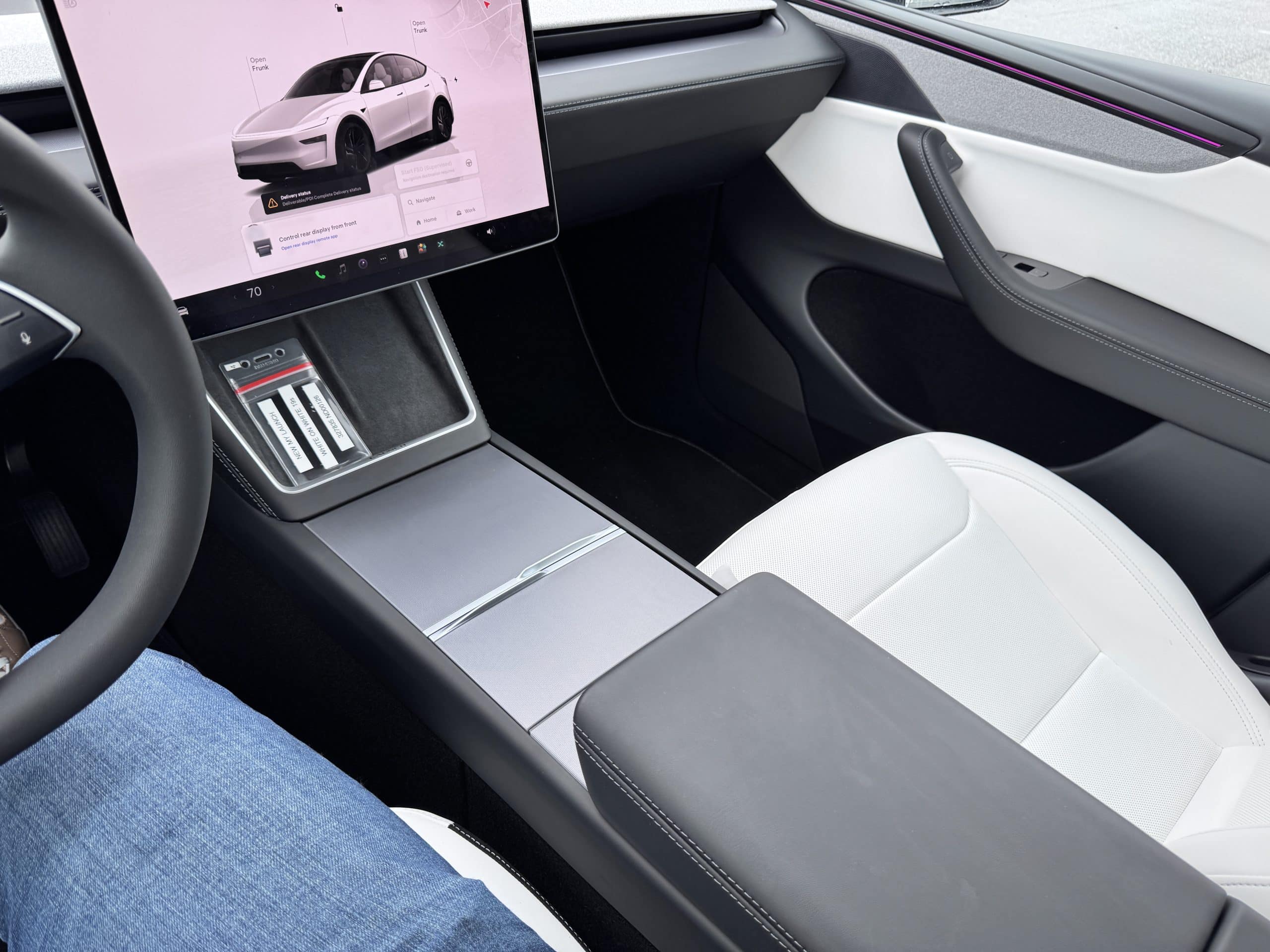
Tesla Showcases New Safety Innovation in Updated Model Y
Key Takeaways
- Tesla introduces a new safety feature in the Model Y aimed at saving lives.
- The in-cabin radar system focuses on detecting humans, especially children, who may be left in vehicles.
- Developed over several years, this radar system relies on detecting heartbeats instead of cameras.
- The new Model Y includes this radar system, designed to complement other safety features.
- Tesla released a new Model Y Owner’s Manual detailing advancements in safety technologies.
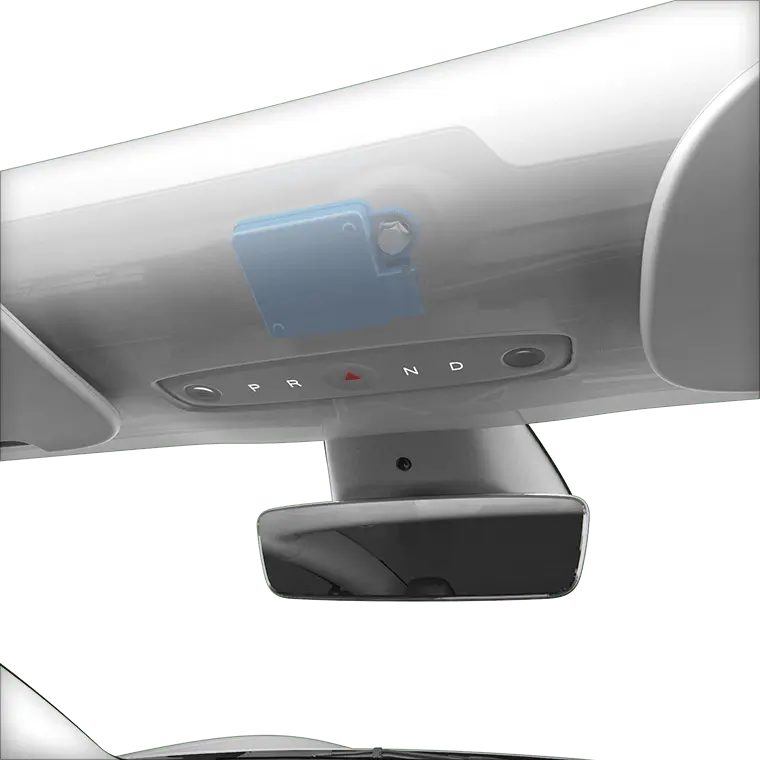
- The in-cabin radar is located above the rearview mirror, enhancing driver and occupant protection.
- A new feature of auto parking brake engagement is enabled when occupants exit the vehicle.
As Tesla continues its journey of technological advancement and sustainable mobility, safety remains a core pillar of its innovative ethos. The latest iteration in this commitment is the introduction of a groundbreaking safety feature in the Model Y: the in-cabin radar system. Designed to protect the most vulnerable occupants, this feature is a testament to Tesla’s dedication to preventive safety measures.
Understanding the New Safety Feature
Tesla’s newly unveiled in-cabin radar system is more than just an addition to the Model Y; it is a revolutionary step forward in automotive safety technology. This feature is primarily aimed at detecting the presence of humans, especially children, who may inadvertently be left behind in a vehicle – a scenario with potentially fatal consequences.
Key Functions Include:
- Human Detection: The radar system can detect human presence, focusing on identifying children who may be left inside the vehicle. This capability is a crucial addition to traditional car alarms and warnings, addressing a serious cause of vehicle-related accidents.
- Heartbeat Detection: Unlike conventional systems that rely on cameras, Tesla’s radar is designed to detect heartbeats. This highly sensitive technology can identify even the slightest signs of life, enabling timely interventions.
The Technology Behind the Innovation
Developed over several years, the in-cabin radar system embodies Tesla’s penchant for cutting-edge research and development. By moving beyond camera-dependent systems, this radar technology offers a more reliable and discreet method of ensuring safety within the cabin environment.
Advantages Over Traditional Systems:
- Non-Intrusive Monitoring: Since it operates without visible equipment within the cabin, it provides effective monitoring without compromising privacy.
- Enhanced Sensitivity: Heartbeat detection allows for discerning minute physiological signs, which is particularly useful in assessing the presence of unconscious occupants.
Complementing Existing Safety Features
The new Model Y is equipped with this in-cabin radar, making it a complementary addition to Tesla’s suite of safety features. Tesla’s Owner’s Manual, recently released, thoroughly details these advancements.
Key Safety Enhancements Include:
- Driver and Occupant Protection: Positioned above the rearview mirror, the radar plays an integral role in the overall enhancement of driver and occupant protection systems.
- Auto Parking Brake Engagement: This feature automatically engages when occupants exit, helping to safeguard against any potential rollaway incidents.
Implications for Tesla Owners
For Tesla owners and prospective buyers, this innovative feature furthers the brand’s commitment to ensuring that safety extends beyond standard driving conditions to include all aspects of the vehicular experience.
Practical Advice for Tesla Owners:
- Stay Informed: Familiarize yourself with the Model Y Owner’s Manual to make the most of the new safety technologies available to you.
- Prioritize Safety Features: When considering vehicle maintenance or upgrades, prioritize features that enhance passenger safety and security.
A Step Forward in Automotive Safety
Tesla’s in-cabin radar system marks a significant advance in vehicular safety, showcasing the potential of technology to save lives and prevent tragedies. By integrating such innovative features, Tesla once again sets a precedent in the automotive industry, promising a future where smart technology and safety go hand in hand.