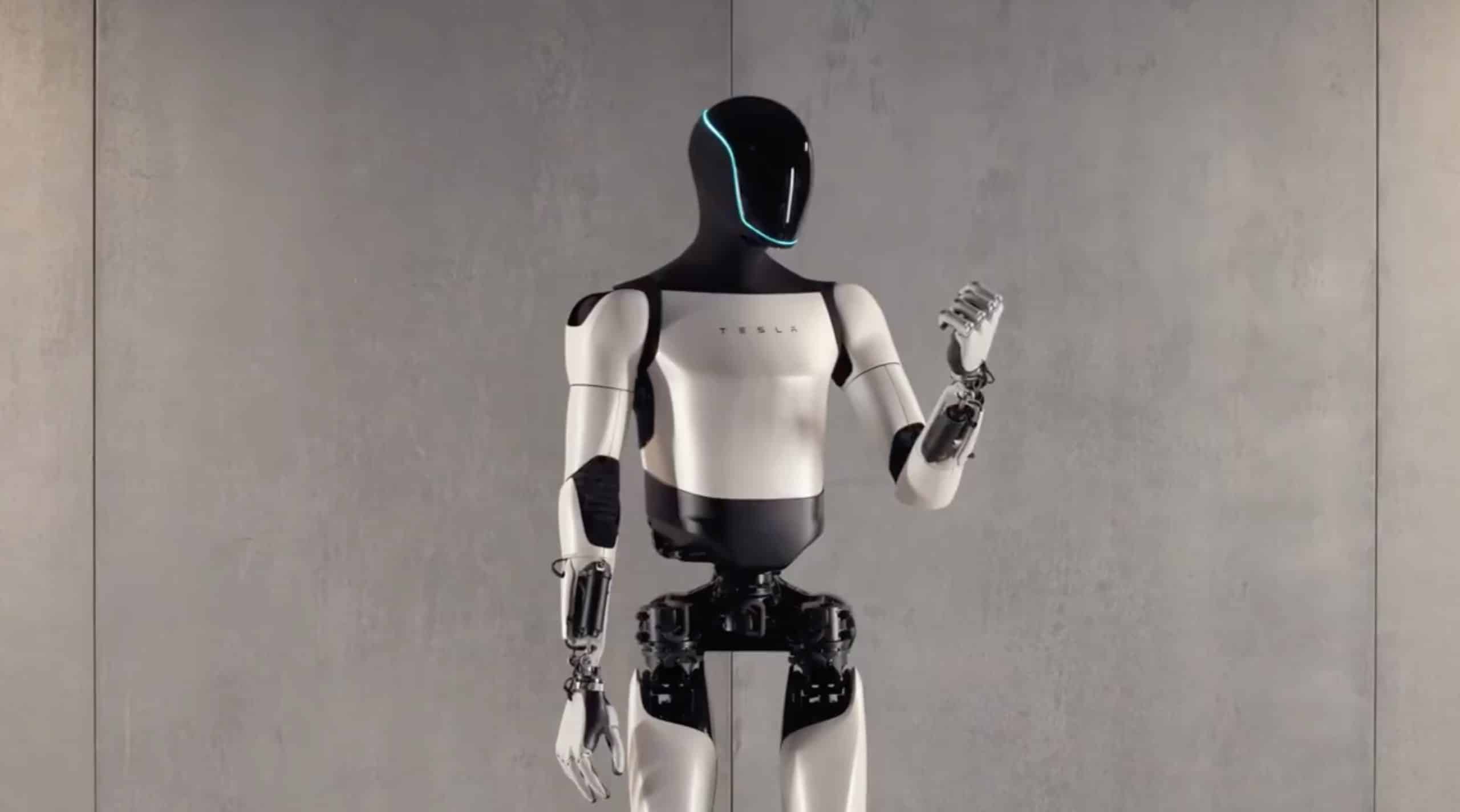
Tesla VP Reveals Insights Behind Latest Optimus Dance Demonstrations
Key Takeaways
- Optimus’ latest dance moves were showcased in two demos, with notable improvements in agility and control.
- Milan Kovac, Tesla VP of Optimus, highlighted that the robot’s movements were trained via simulation and required no additional training for the real world.
- A second demo shared by Elon Musk showed Optimus executing advanced ballet and modern dance moves, completely untethered.
- The demonstrations involved significant enhancements in the robot model, domain randomization, and the application of AI for real-world scenarios.
- Kovac emphasized Tesla’s progress beyond automotive, focusing on transformational real-world AI capabilities.
In a spectacular display of technological advancement and artistic prowess, Tesla’s Optimus Robot has danced its way into the spotlight. Recent demonstrations showcased the robot’s remarkable agility and control, drawing wide attention and raising the bar for humanoid robots. Let’s delve into the captivating progress of Optimus and explore how Tesla’s technological advancements are shaping the future of robotics and artificial intelligence.
The Evolution of Optimus’ Dance
Tesla recently captured global attention with two sensational demonstrations of its humanoid robot, Optimus. These showcases not only highlighted Optimus’ graceful dance moves but also underlined the significant progress Tesla has made in the field of robotics and AI.
From Simulation to Reality
One of the critical aspects of Optimus’ development has been the transfer of skills from virtual environments to the physical world. According to Milan Kovac, Tesla’s Vice President of Optimus, the robot’s movements were trained in simulation. This denotes a cutting-edge approach where the robot does not require additional training once it transitions from virtual simulations to real-world scenarios. This zero-shot transfer is revolutionary, overcoming traditional barriers in robotics training.
Untethered and Unleashed
The second demonstration, shared by none other than Tesla CEO Elon Musk, took the excitement a notch higher. In this showcase, Optimus performed advanced ballet and modern dance moves entirely untethered, highlighting the real-time agility and control that Tesla’s engineering has achieved. This performance was not just an exhibition of precision but a testament to the possibilities of AI-driven robotics.
Pioneering Technological Advancements
Tesla’s innovations with Optimus are not just limited to impressive dance moves. Let’s examine some pivotal advancements that have been reported:
- Enhanced Robot Model: Tesla has made substantial improvements to the Optimus robot model, focusing on more realistic simulations and robust real-world applications. This involves improvements in domain randomization and agile full-body control.
- Real-World AI Applications: Beyond patterning complex dance routines, Tesla’s enhancements signify a shift towards more practical applications, such as robust walking and real-world task execution.
Tesla’s Transformative Approach to AI
While Tesla is globally recognized as an automotive innovation leader, the developments around Optimus signify a broader vision. Kovac emphasized that Tesla’s commitment goes beyond cars, venturing into transformational real-world AI applications that could redefine interaction between humans and machines.
Key Takeaways
- Zero-Shot Transfer Learning: Optimus’ training model demonstrates the prowess of zero-shot learning, paving the way for future robots to adapt seamlessly from digital simulation to tangible environments.
- Real-Time Agility: Achieving complex dance routines in real time showcases rapid adaptability, vital for future integrations in varied fields.
- AI Beyond Automotive: With Optimus, Tesla accentuates its transformative role, employing AI to drive innovations that span across numerous industries.
Tesla’s Optimus Robot is much more than a technological marvel; it represents a future where AI and robotics harmonize to enhance human capabilities. As we witness the remarkable display of Optimus’ dance, it is clear that Tesla is not just innovating but reshaping the fundamentals of robotics and artificial intelligence. These developments raise intriguing possibilities for the future, inviting us to imagine a world where such humanoid robots could become integral partners in our daily lives, beyond the confines of automotive functions.