SpaceX Ramps Up Starlink Deployment to Keep Pace with Demand
Key Takeaways
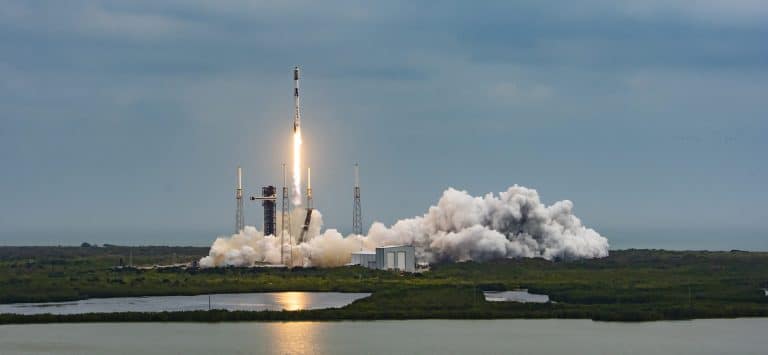
- SpaceX’s Starlink 6-93 mission launched 28 satellites, further expanding its constellation in low Earth orbit.
- Starlink played a crucial role during a blackout in Spain and Portugal, showing its reliability when traditional networks failed.
- The satellite broadband market is intensifying, with Amazon’s Project Kuiper emerging as a competitor, though Starlink remains ahead in scale.
- Starlink’s continued expansion solidifies its role in providing connectivity to remote and crisis-affected areas.
- Global interest in satellite communications is rising due to strategic and commercial needs.
- Geopolitical factors are influential, with countries like Ukraine exploring Starlink alternatives with the EU.
- Germany’s Bundeswehr plans to develop its own satellite constellation, facing challenges similar to other Starlink competitors.
In the frontier of technology and connectivity, SpaceX’s Starlink constellation emerges as a crucial player. With its recent Starlink 6-93 mission, SpaceX launched an additional 28 satellites, further extending its expansive constellation in low Earth orbit (LEO). This development signifies not just a technical advancement but also a strategic maneuver in the bustling satellite broadband market. Let’s delve into the broader implications of Starlink’s growth and its role in redefining global connectivity.
SpaceX: A Leading Force in Global Connectivity
As Starlink continues to grow its constellation, SpaceX is undeniably solidifying its role as a leader in the satellite communications landscape. The launch of 28 satellites during the Starlink 6-93 mission marks a significant addition to its network of over 7,200 satellites, reinforcing its capability to provide global broadband access.
Key Milestones of Starlink’s Expansion
- Operation Scale: Starlink’s network now encompasses thousands of satellites, ensuring extensive coverage and service reliability across various regions.
- Launch Efficiency: Utilizing SpaceX’s Falcon 9 rockets for deploying satellites has set a high standard for operational efficiency and cost-effectiveness in satellite launches.
- Technological Advancement: Starlink continuously pushes the envelope in satellite technology, ensuring its offerings are cutting-edge and responsive to the growing demands for connectivity.
Starlink’s Impact During the Iberian Peninsula Blackout
Starlink’s reliable performance during a widespread blackout in Spain and Portugal exemplifies its resilience and indispensable role in emergency scenarios. As traditional telecom networks faltered, Starlink witnessed a 35% surge in usage, demonstrating it as an essential alternative for uninterrupted communication.
Key Takeaways:
- Reliability in Crisis: Starlink’s ability to maintain connectivity during crises highlights its potential as a long-term solution for emergency and disaster management.
- User Dependence: The blackout scenario underlined users’ growing dependence on satellite internet for consistent access to information and services.
Satellite Broadband Market: Rising Competition
With the satellite broadband market intensifying, SpaceX faces stiff competition from players like Amazon’s Project Kuiper, AT&T, and T-Mobile. Yet, Starlink remains a frontrunner due to its well-established infrastructure and continuing expansion efforts.
Competition Landscape:
- Amazon’s Project Kuiper: Focuses on underserved rural areas, a mission echoing Starlink’s goals, yet challenged by Starlink’s head start and operational scale.
- Telecom Giants: Traditional telecom companies are exploring satellite solutions to broaden their service range, yet they encounter hurdles in matching satellite-leverage capabilities pioneered by SpaceX.
Geopolitical Influences and Future Directions
Starlink’s influence isn’t just commercial but also geopolitical. Countries like Ukraine are seeking European Union collaborations to develop alternatives, while Germany’s military, Bundeswehr, plans its satellite constellation.
Geopolitical Dynamics:
- National Security and Independence: These moves reflect a strategic push towards achieving autonomy in communications, crucial for national security.
- Challenges in Implementation: Establishing new constellations that rival Starlink’s scale requires significant investment and innovation, presenting substantial challenges to newcomers.
Bridging Connectivity Gaps
As global demand for robust internet connectivity surges, Starlink emerges as a pivotal cornerstone in bridging existing gaps. Its expansive reach and technological prowess position it as a formidable entity in satellite communications, balancing market dynamics and geopolitical challenges. Embracing innovation while navigating these complexities will be pivotal for maintaining its lead in the ever-evolving landscape of global connectivity.