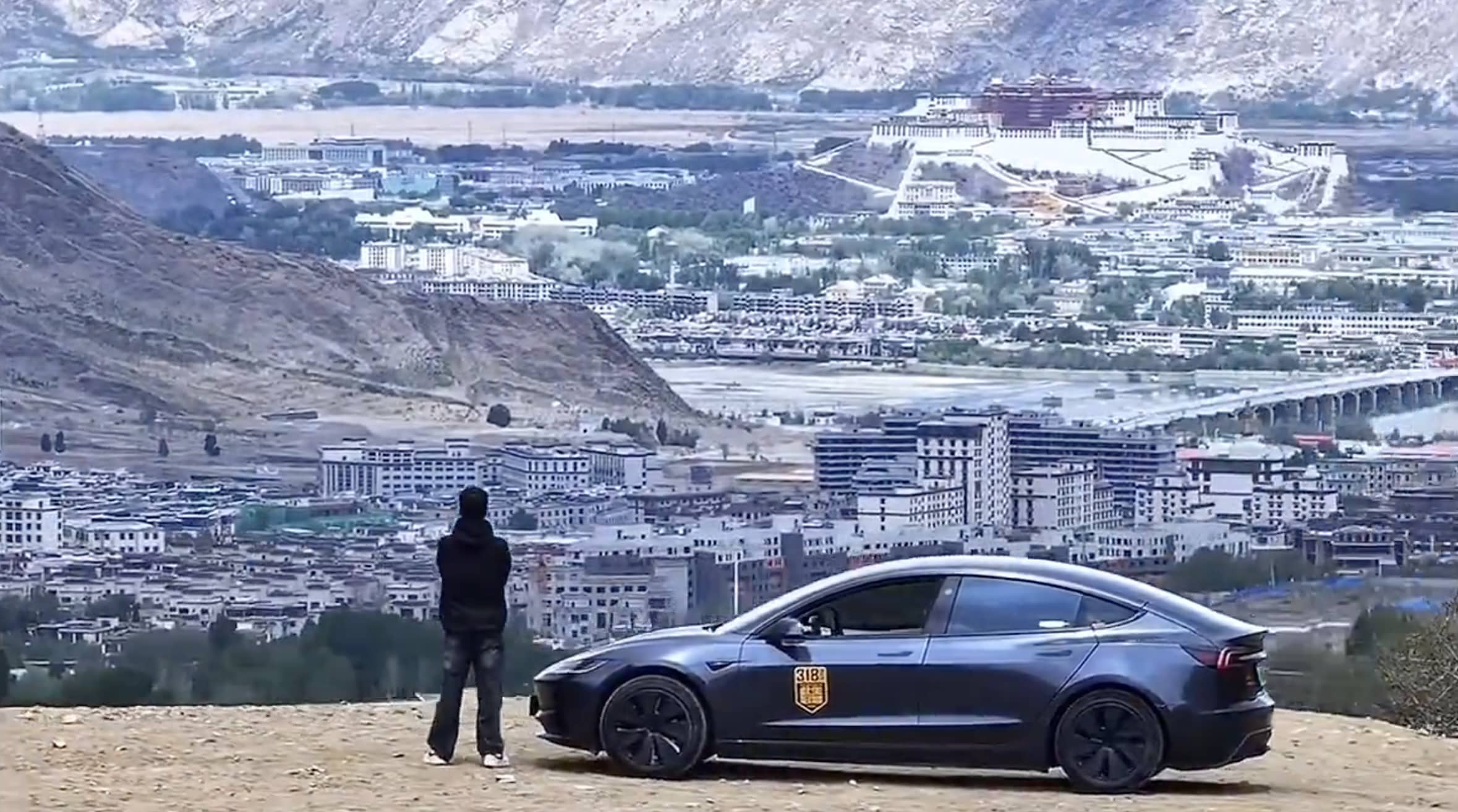
Conquering Heights: Tesla Model 3’s Epic FSD Journey to Everest Base Camp
Key Takeaways
- A Tesla Model 3 is undertaking a nearly 4,000-kilometer journey from Henan to Mt. Everest’s base camp using Full Self Driving (FSD).
- The journey is being livestreamed on Chinese social media, showcasing the capabilities of FSD on challenging routes.
- The trip includes stunning vistas and roads that require oxygen canisters, highlighting the demanding nature of the landscape.
- There is optimism that the Model 3 will reach Everest Base Camp by Friday.
- Previous Tesla trips to the Everest Base Camp include a manually driven Model 3 in 2020 and other models that reached the site in 2022 using supercharger stations.
- Tesla has enhanced the journey’s feasibility by building 11 Supercharger stations from Chengdu to Tingri since April 2021.
The drive from Henan Province to the base camp of Mount Everest is not for the faint-hearted. It’s a route that tests not only the endurance of vehicles but also the spirit of adventure in drivers. Now, Tesla enthusiasts are witnessing an unprecedented journey: a Tesla Model 3 attempting this trek using Full Self Driving (FSD) technology. This journey, spanning almost 4,000 kilometers (2,485 miles), isn’t just a test of technology but a symbol of how far autonomous driving has come.
The Journey Begins
A Tesla Model 3 driver is pushing boundaries, undertaking an ambitious endeavor from Henan to Everest Base Camp. But what makes this journey extraordinary isn’t just the picturesque landscape—replete with stunning vistas and oxygen-deficient altitudes—but the means by which it’s being accomplished.
A Test of Capability
FSD technology represents the pinnacle of autonomous driving advancements. This trek showcases its prowess on demanding terrains that require intricate navigation, revealing both the current capabilities and potential future of autonomous technology.
The Challenges of the Route
Driving to Everest Base Camp is no average road trip. The path is laden with challenges:
- Altitude and Oxygen Levels: The route requires drivers to carry oxygen canisters. Navigating through such altitudes tests both the vehicle and its technologies.
- Rugged Terrain: The roads present myriad obstacles, necessitating precise navigation.
Livestreaming the Adventure
The journey is being shared live on Chinese social media platforms, attracting global attention from both technology enthusiasts and travel fanatics. The real-time documentation allows viewers to experience the drive through the lenses of cutting-edge technology, fostering excitement and engagement.
A Timeline of Tesla’s Everest Expeditions
- September 2020: The first Tesla Model 3 journey to Everest’s base camp was completed manually over a distance of 5,500 km (3,400 miles).
- April 2021: Tesla expanded its footprint by establishing 11 Supercharger stations along the scenic route from Chengdu to Tingri.
- July 2022: Tesla showcased the Model X and Model Y reaching the base without hitches, emphasizing the efficacy of their infrastructure.
Tesla’s Commitment to Innovation
Tesla’s innovative strides are evident with each journey to Everest, often pushing the envelope of what is possible:
- Supercharger Network: The expansion of Supercharger stations epitomizes Tesla’s commitment to supporting long-range travel and overcoming infrastructural obstacles.
- Autonomous Technology: FSD’s role in navigating harsh terrains not only highlights its potential but also sets a precedent for future automotive innovations.
The Tesla Model 3’s adventure is more than a journey; it’s a testament to technological evolution and human perseverance. Whether it successfully reaches Everest Base Camp or not, this initiative illustrates the potential for FSD technology in exploring and conquering the uncharted landscapes of the world.