The Future of Urban Mobility: Volkswagen and Uber’s Bold Step into the Robotaxi Revolution
Key Takeaways
- Volkswagen and Uber have teamed up to launch a commercial robotaxi service using ID. Buzz vehicles in the US over the next decade.
- The service will first roll out in Los Angeles by late 2026, starting with human safety operators before transitioning to fully driverless cars in 2027.
- Volkswagen ADMT, a subsidiary focusing on autonomous tech, will begin testing in LA after getting the necessary permits.
- Christian Senger, CEO of Volkswagen Autonomous Mobility, emphasized the goal of shaping future mobility by combining manufacturing with urban mobility tech.
- Recent policy shifts by the Trump administration, announced by Sean Duffy, support such autonomous initiatives by easing federal safety rules.
- Volkswagen ADMT began publicly testing its autonomous vehicles equipped with Mobileye’s tech earlier in 2023.
- Uber has inked deals with over 14 tech firms, boosting its autonomous vehicle portfolio, positioning itself well in the robotaxi market.
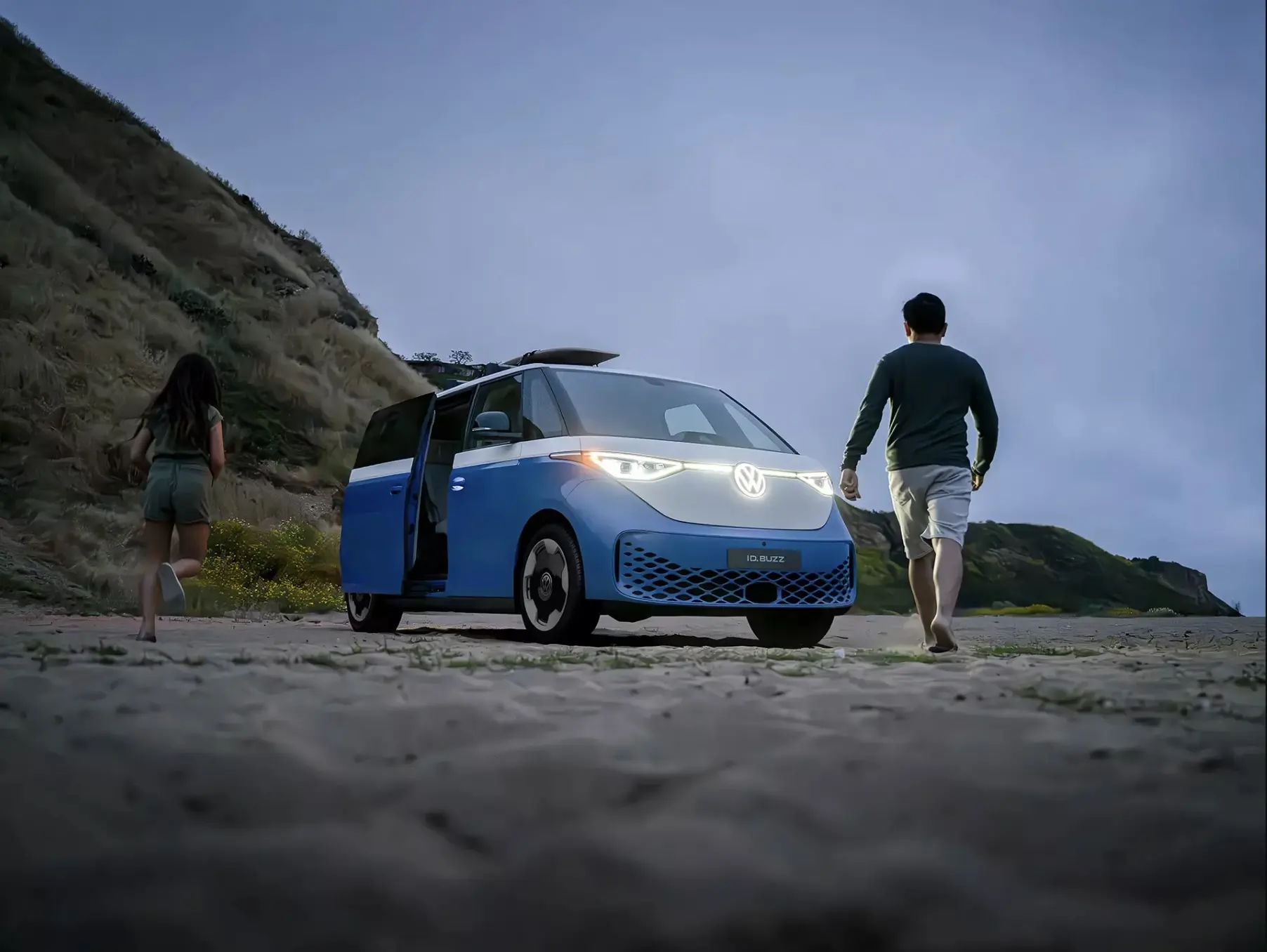
The transportation landscape is undergoing a seismic shift with technological innovations that promise to redefine urban mobility. At the forefront of this revolution is the partnership between automotive giant Volkswagen and ride-hailing pioneer Uber. Their vision? To launch a fleet of autonomous, electric ID. Buzz robotaxis across the United States within the next decade. This ambitious collaboration not only highlights the rapid advancements in autonomous vehicle technology but also reflects broader trends in transportation and urban planning.
The Dawn of Autonomous Ride-Hailing
By 2026, the streets of Los Angeles are set to witness a significant transformation. Volkswagen’s ID. Buzz vehicles, initially guided by human safety operators, will commence operations before transitioning to full autonomy by 2027. This phased rollout underscores the cautious yet progressive approach both companies are adopting to ensure safety and efficacy in real-world conditions.
Los Angeles: A Strategic Launchpad
Launching this service in Los Angeles, a sprawling metropolis known for its car culture and traffic congestion, is a strategic choice. Not only will it serve as a robust testing ground for these autonomous vehicles, but LA’s regulatory landscape is also conducive to innovation in autonomous tech. With Volkswagen ADMT spearheading the development and testing efforts, this initiative promises to integrate advanced manufacturing with cutting-edge urban mobility solutions.
Policy Shifts: A Catalyst for Innovation
Recent policy shifts from the Trump administration, spotlighted by Transportation Secretary Sean Duffy, have eased federal safety rules and crash reporting requirements. This regulatory support accelerates development efforts and positions the United States as a leader in the global race toward autonomous transportation, particularly in competition with China. These changes reflect a broader governmental push to foster innovation and commercialization of autonomous vehicles.
The Technology Behind ID. Buzz
Volkswagen’s ID. Buzz, equipped with Mobileye’s state-of-the-art autonomous driving technology, represents the pinnacle of automotive innovation. The vehicle’s autonomous system is designed to navigate complex urban environments while enhancing passenger comfort and safety. This technological prowess is complemented by Uber’s vast ride-hailing network, creating a synergy that aims to revolutionize how urban populations experience mobility.
Key Features of the ID. Buzz Robotaxi:
- Advanced Sensor Suite: Utilizes LIDAR, radar, and cameras for real-time environment scanning.
- Electric Powertrain: Promotes sustainability with zero emissions.
- Smart Connectivity: Integrates with Uber’s platform for seamless ride-hailing experiences.
- Enhanced Safety Protocols: Initially supervised by human operators, transitioning to full autonomy.
Strategic Partnerships: Strength in Numbers
Uber’s collaboration with Volkswagen is part of a broader strategy to reinforce its autonomous vehicle portfolio, evidenced by alliances with over 14 technology firms. This diverse network boosts Uber’s competitive edge in the burgeoning robotaxi market and ensures a robust technological foundation.
The Broader Implications for Urban Mobility
This partnership is more than a technological venture; it’s an evolution in how cities think about transportation. As the ID. Buzz robotaxi service becomes operational, urban landscapes may see reduced traffic congestion, improved air quality, and new precedents in shared mobility solutions. Cities will likely reimagine infrastructure to accommodate these changes, influencing urban planning and policies worldwide.
Looking Ahead
With testing on the near horizon and a strategic launch planned, the Volkswagen-Uber collaboration represents an exciting chapter in autonomous vehicle development. As these robotaxis begin to populate city streets, they will not only redefine travel convenience but also challenge traditional notions of car ownership and public transportation.