Revolutionizing Transportation: Tesla’s Self-Driving Advancements at Giga Texas
Key Takeaways
- Tesla’s vehicles at Giga Texas now autonomously drive to the outbound lot, following a previous implementation at the Fremont factory.
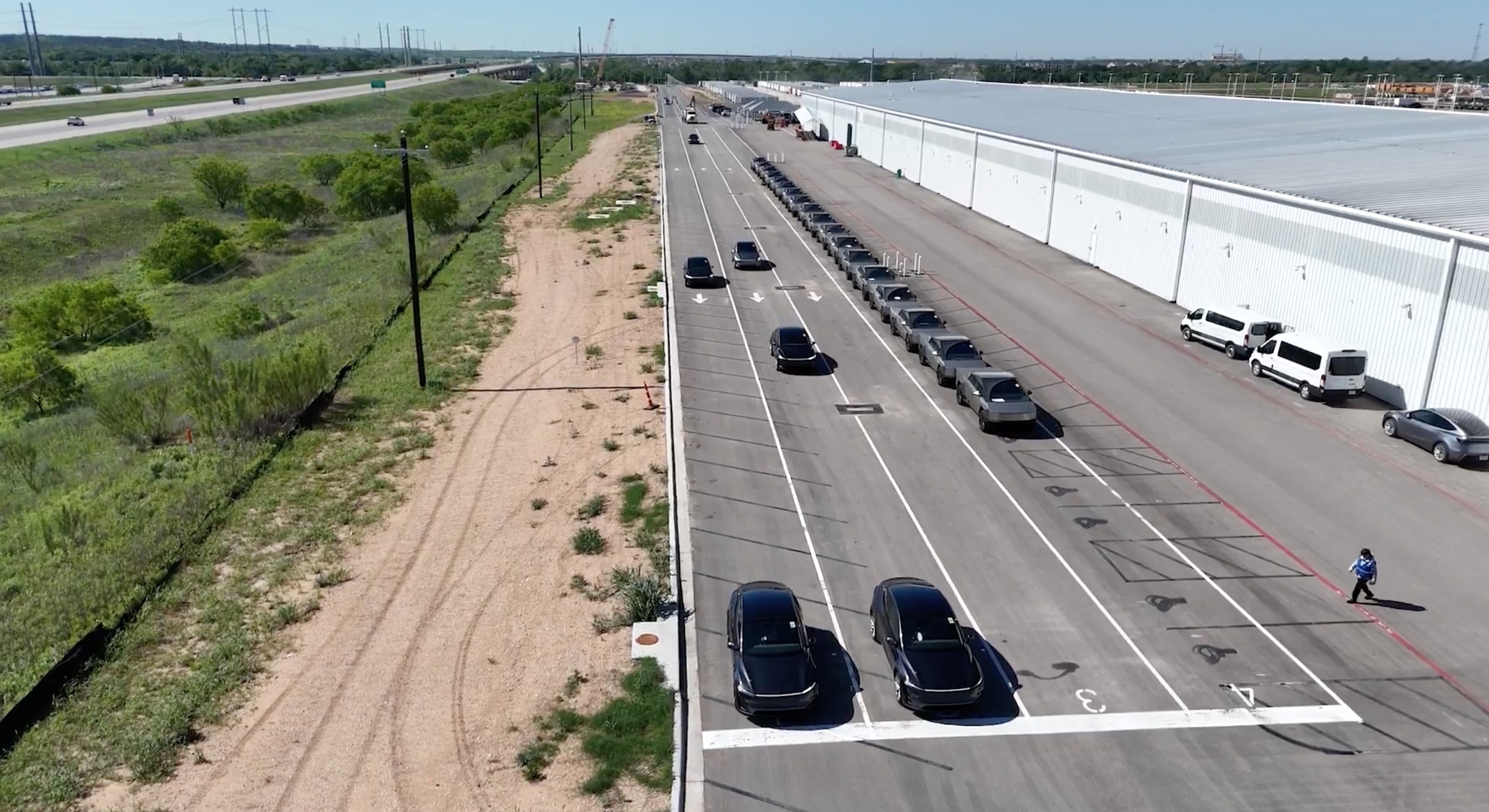
- Drone footage shared by observer Joe Tegtmeyer showcases the Model Y and Cybertruck driving autonomously at Giga Texas.
- Tesla aims to launch Unsupervised Full Self-Driving (FSD) in Austin soon, enhancing overall efficiency.
- Plans include launching a commercial robotaxi service in Austin, alongside discussions with city officials.
- Tesla announced autonomous driving at its Fremont factory in January, marking this as a significant step for Giga Texas too.
- Potential collaboration with existing autonomous services, as illustrated by Waymo’s partnership with Uber in Austin.
As the landscape of transportation continues to evolve, Tesla is once again at the forefront of innovation with its groundbreaking autonomous vehicle technology. The recent deployment of self-driving vehicles at Tesla’s Gigafactory in Texas marks a significant milestone in the company’s journey toward fully autonomous transportation solutions. This blog post delves into the latest developments at Giga Texas, including the impact on efficiency, future plans for autonomous services, and the broader implications for the automotive industry.
Unveiling the Path to Autonomy at Giga Texas
Innovative Steps at Giga Texas
Tesla has taken a leap forward by implementing autonomous driving capabilities at its Giga Texas factory, which now mirrors the advancements previously made at the Fremont facility. This development was brought to light through drone footage shared by Joe Tegtmeyer, a long-standing observer of Giga Texas operations. The footage captures the impressive sight of Model Y and Cybertruck units autonomously navigating to the outbound lot, a testament to Tesla’s commitment to enhancing operational efficiency and reducing the reliance on human intervention.
The Role of Giga Texas in Tesla’s Strategy
Tesla’s Gigafactory in Texas plays a pivotal role in the company’s overarching strategy to incorporate full self-driving technology across its operations. By enabling vehicles to autonomously drive themselves within the factory grounds, Tesla not only streamlines its manufacturing process but also paves the way for larger scale deployment of autonomous vehicles in the real world. This initiative aligns with Tesla’s broader vision of achieving sustainable and efficient transportation solutions.
The Road Ahead: Unsupervised Full Self-Driving
Launching Unsupervised FSD in Austin
Tesla’s ambitions extend beyond factory grounds, with plans to roll out Unsupervised Full Self-Driving (FSD) capabilities in the Austin area in the coming weeks. This development promises to revolutionize the way we perceive and interact with vehicles, incorporating cutting-edge technology to navigate complex real-world environments autonomously. The introduction of Unsupervised FSD is anticipated to advance Tesla’s autonomy project, as the company continues to rigorously test and refine their technology.
Commercial Robotaxi Services
In tandem with the deployment of Unsupervised FSD, Tesla is preparing to launch commercial robotaxi services in Austin. These autonomous taxis are expected to offer a glimpse of the future of mobility, providing a convenient and efficient alternative to traditional transportation options. The company has already been in discussions with local officials to pave the way for an integrated robotaxi network, highlighting Tesla’s proactive approach to collaboration and regulation adherence.
Collaborations and Industry Implications
Potential Collaborations in the Autonomy Sector
Tesla’s advancements in autonomous driving are occurring alongside notable industry partnerships, such as Waymo’s collaboration with Uber in Austin. These collaborations illustrate a growing trend of industry leaders joining forces to expedite the development and implementation of autonomous transportation technologies. As Tesla continues to push the envelope, such partnerships could foster a more cohesive and scalable approach to autonomy.
The Broader Impact on the Automotive Industry
The developments at Giga Texas and Tesla’s wider autonomy efforts underscore a transformative shift within the automotive sector. As autonomous technology becomes more integral to vehicle operations, manufacturers and policymakers alike will need to adapt to address the needs of this new era of transportation. The potential environmental benefits, improved traffic management, and enhanced safety measures inherent in autonomous vehicles position Tesla at the helm of driving sustainable progress.
In conclusion, Tesla’s innovative steps at Giga Texas signal the dawning of a new age in transportation, characterized by autonomy and efficiency. With an eye towards launching advanced self-driving capabilities and commercial robotaxi services, Tesla continues to lead the way in reshaping our mobility landscape. As we look to the future, the possibilities for autonomous transportation are boundless, heralding a future where human intervention in driving could become a thing of the past.