The Electrifying Partnership: Nissan Joins Tesla’s Supercharger Network
- 🚗 Nissan is now supported by Tesla’s Supercharger Network, allowing its EVs to charge at over 15,000 stations in the US and Canada.
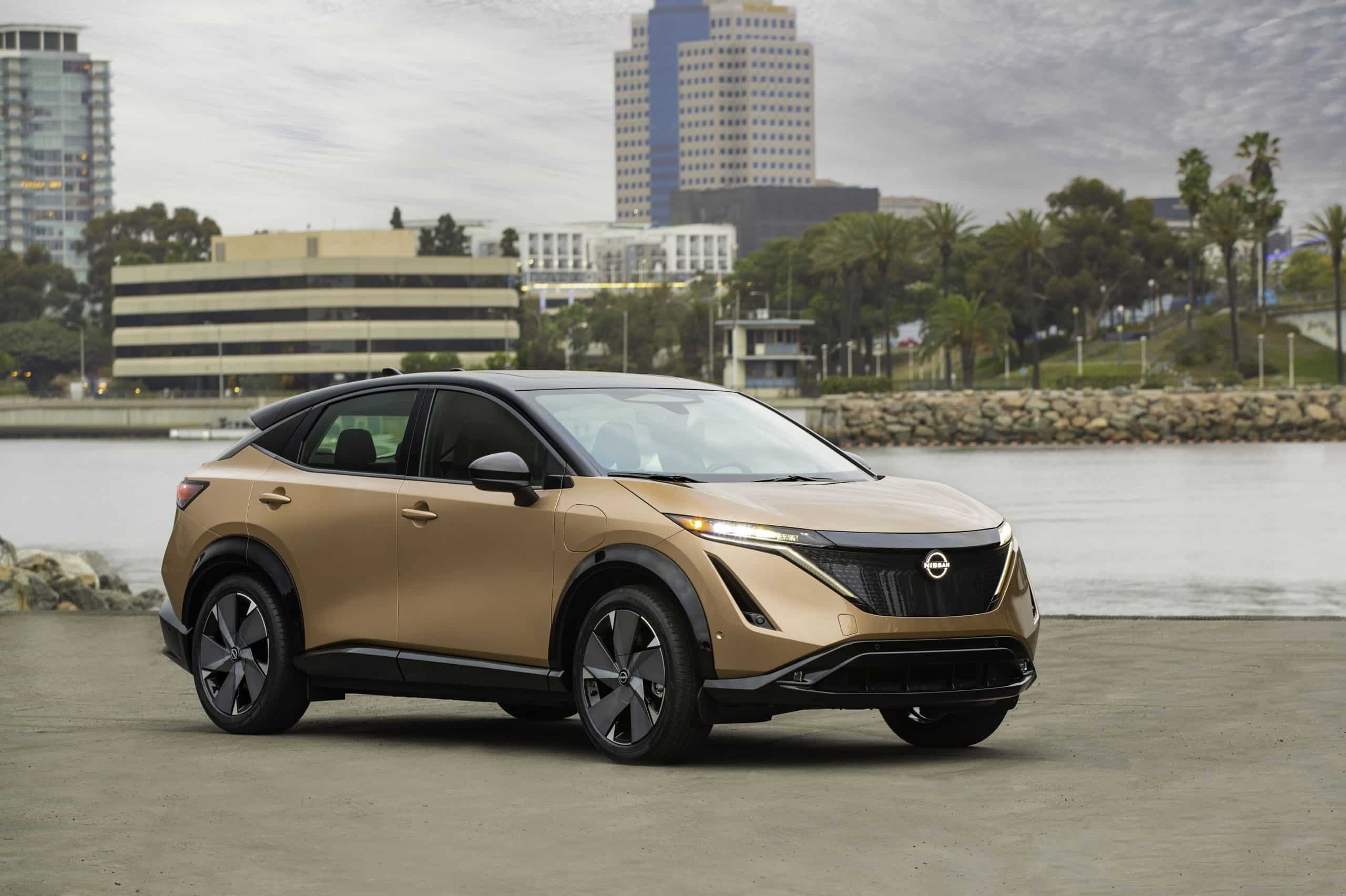
- 🔌 Nissan’s Ariya crossover will receive NACS adapters by the end of 2024 to enable Supercharger access.
- 🔄 Future Nissan EVs in the U.S. and Canada will have native NACS ports starting in 2025.
- 📈 Jérémie Papin from Nissan highlighted that adopting NACS supports the goal of increased electric mobility under Nissan’s Ambition 2030 plan.
- 🛠️ Mercedes-Benz is indicated as the next automaker likely to gain Supercharger access, currently listed as “Coming Soon” on Tesla’s NACS page.
In a groundbreaking move towards enhancing electric vehicle (EV) accessibility, Nissan has joined Tesla’s coveted Supercharger Network. This collaboration not only marks a pivotal moment for Nissan and its users but also reinforces the burgeoning ecosystem of electric mobility. As more automotive giants embrace this seamless charging infrastructure, a unified goal becomes evident: making sustainable transportation a global reality.
Nissan’s Strategic Move into the Tesla Network
Nissan’s integration with Tesla’s Supercharger Network opens up over 15,000 charging stations across the United States and Canada for Nissan’s electric vehicles. This strategic decision positions Nissan as a future-ready automaker, aligning closely with broader industry electrification trends.
Benefits of Joining Tesla’s Supercharger Network
- Extended Range and Convenience: Nissan EV drivers can now travel longer distances without the anxiety of finding a charging station.
- Enhanced Charging Efficiency: Tesla’s Superchargers are known for their high speed and efficiency, enabling quicker charging sessions.
- Boost in Consumer Confidence: Access to a well-established charging network can significantly improve consumer confidence in purchasing EVs.
Preparing for a NACS-enabled Future
In a forward-looking move, Nissan is equipping its Ariya crossover drivers with NACS (North American Charging Standard) adapters by the end of 2024. This will not only enable usage of Tesla’s Superchargers but is also a precursor to a significant change slated for 2025, when Nissan plans to launch vehicles equipped with native NACS ports.
Timeline for Transition
- 2024: Distribution of NACS adapters to Ariya drivers.
- 2025: Introduction of Nissan EVs with integrated NACS ports in the U.S. and Canada.
Understanding Nissan’s Ambition 2030 Vision
Underpinning Nissan’s current and future initiatives is its Ambition 2030 vision. As articulated by Jérémie Papin, a prominent figure in Nissan Americas, this vision revolves around:
- Commitment to Electric Mobility: Increasing the availability and ease of electric vehicle adoption.
- Infrastructure Expansion: Facilitating access to more fast chargers, thereby empowering long-distance journeys.
- Sustainability Goals: Aligning with broader climate goals by minimizing carbon emissions through widespread EV adoption.
A Glimpse into the Future: Mercedes-Benz and the Supercharger Network
Looking ahead, Mercedes-Benz is slated as the next automaker to potentially gain access to Tesla’s Supercharger Network. Currently marked as “Coming Soon,” this addition is likely to further cement the industry’s shift towards collaborative infrastructure usage, enhancing the appeal and practicality of electric vehicles worldwide.
Conclusion: A Unified Path Towards Sustainable Transport
This alignment between Nissan and Tesla epitomizes a unified industry approach to sustainable transport. With key players joining hands, the dream of a net-zero future is gradually coming to fruition. As consumers, the implications of such collaborations promise a seamless, efficient, and environmentally friendly driving experience.